
The iPhone 13 Pro remains a powerful, premium device that deserves more than just casual protection. With its Ceramic Shield front, stainless steel frame, and advanced camera system, it’s built to perform—but not invincible. A high-quality protective case isn’t an accessory; it’s essential insurance against drops, scratches, and daily wear. Yet, with countless options flooding the market, selecting one that truly delivers durability without sacrificing usability can be overwhelming. This guide breaks down the critical factors, materials, and design elements that define a genuinely durable iPhone 13 Pro case—so you can make a confident, informed decision.
Understand the Real Meaning of “Durability”
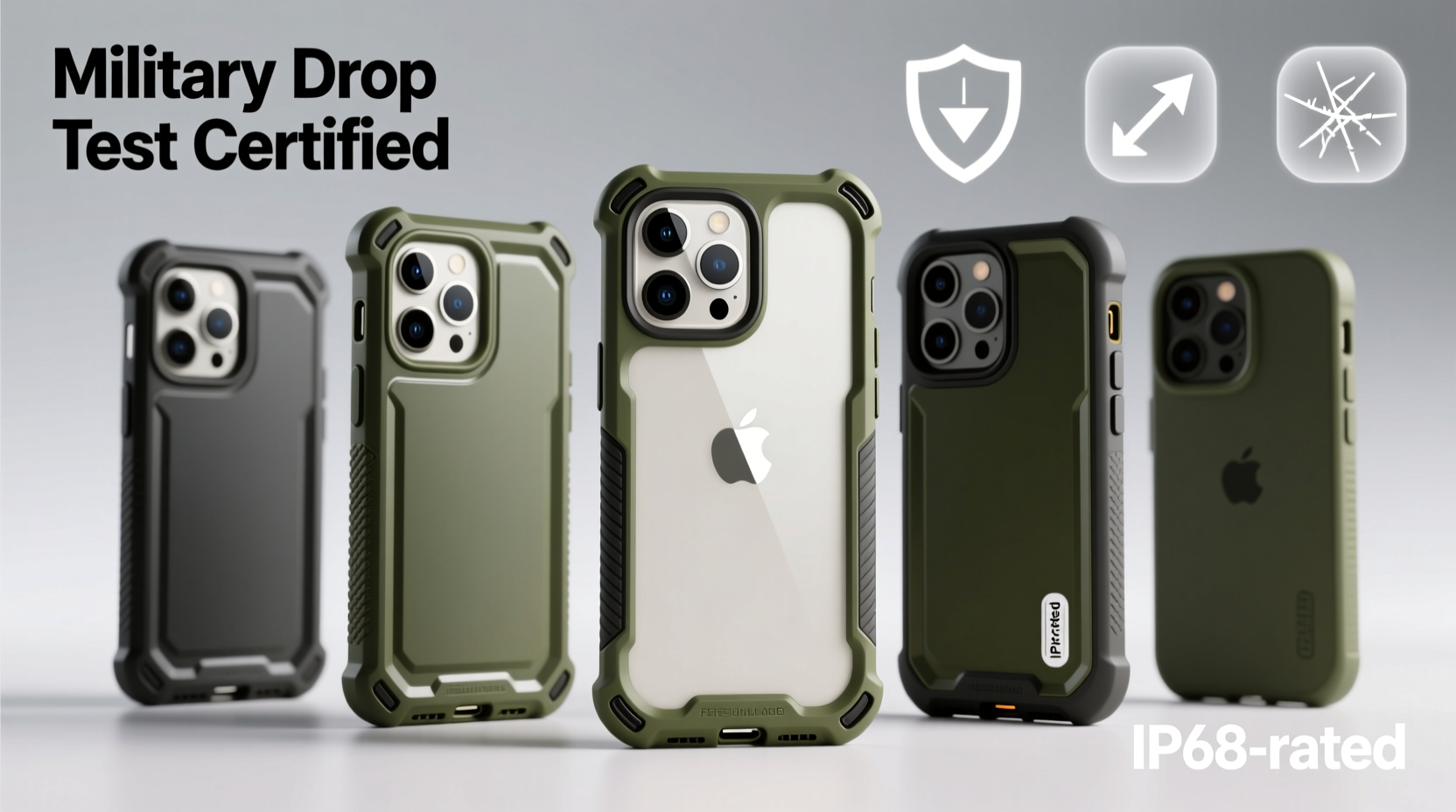
Durability isn’t just about thickness or rugged appearance. It encompasses impact resistance, structural integrity, material longevity, and performance under stress. A truly durable case must absorb shock from drops, resist cracking over time, maintain grip, and protect all vulnerable areas—including corners, screen, and camera module.
Many cases claim “military-grade drop protection,” referencing the MIL-STD-810G standard. While this indicates testing under controlled conditions, not all brands adhere strictly to it. Look for third-party certification or independent lab test results when possible. The iPhone 13 Pro weighs 204 grams and has a relatively compact form factor, so the case should enhance—not compromise—its balance and handling.
Key Features That Define a Durable Case
When evaluating cases, focus on these non-negotiable features:
- Elevated bezels: Screen and camera lenses must sit slightly below the raised edges of the case to prevent direct contact when placed face-down.
- Reinforced corners: Most drops land on corners. Cases with double-layer construction or air-cushion technology in corners offer superior impact dispersion.
- Precise cutouts: Ports, buttons, and the LiDAR sensor must remain fully accessible without looseness or obstruction.
- Grip texture: A matte or rubberized finish reduces slippage. Avoid glossy surfaces that attract fingerprints and increase the risk of accidental drops.
- Material resilience: Materials should resist yellowing (especially clear cases), cracking, and warping from heat exposure.
“Over 60% of phone damage starts at the corner impact. A well-engineered case with internal bumpers and external reinforcement can reduce internal stress by up to 80%.” — Dr. Alan Zhou, Materials Engineer, Mobile Device Protection Lab
Best Materials for Long-Term Protection
The material defines both protection level and user experience. Here’s a breakdown of the most common types used in iPhone 13 Pro cases:
| Material | Pros | Cons | Best For |
|---|---|---|---|
| Polycarbonate (Hard Plastic) | Lightweight, scratch-resistant, maintains shape | Limited shock absorption unless layered | Everyday use, minimalist users |
| TPU (Thermoplastic Polyurethane) | Flexible, excellent shock absorption, affordable | Can yellow over time, attracts dust | Dropping-prone users, budget-conscious buyers |
| Hybrid (TPU + Polycarbonate) | Balances rigidity and flexibility, strong impact resistance | Slightly bulkier than single-material cases | Maximum protection seekers |
| Silicone | Soft touch, good grip, Apple’s official option | Scratches easily, less drop protection | Style-focused users who avoid rough handling |
| Leather (Synthetic or Genuine) | Develops patina, premium feel, ages gracefully | Minimal drop protection, requires maintenance | Professional settings, low-risk environments |
For the iPhone 13 Pro, hybrid cases are often the optimal choice—offering structural strength from a rigid outer shell and shock-absorbing qualities from a flexible inner liner. Clear TPU cases have gained popularity, but UV exposure and skin oils can cause yellowing within months. If opting for clear, choose brands using anti-yellowing additives like UV stabilizers.
Real-World Scenario: Office to Outdoor Use
Consider Sarah, a project manager who commutes via bike, attends client meetings, and occasionally works from outdoor cafes. Her iPhone 13 Pro is constantly in and out of pockets, bags, and dashboards. After six months with a slim silicone case, she cracked her screen during a fall from a café table.
She switched to a hybrid case with MIL-STD-810G certification, reinforced corners, and a microfiber-lined interior. Three months later, after dropping it onto concrete from waist height, the phone survived unscathed. The case showed minor scuffing but no structural damage. The added millimeter of thickness was a small trade-off for peace of mind.
This illustrates a key principle: durability must match lifestyle. High-mobility users need robust engineering, while desk-based professionals may prioritize aesthetics and thin profiles.
Step-by-Step Guide to Choosing Your Ideal Case
- Assess your usage pattern: Do you frequently carry your phone in a bag? Drop it often? Use it outdoors?
- Determine your priority: Maximum protection, slim profile, wireless charging compatibility, or style?
- Check dimensions and fit: Ensure the case aligns perfectly with the iPhone 13 Pro’s contours—especially around the camera bump.
- Verify material quality: Look for dual-layer construction, UV-resistant coatings (for clear cases), and non-slip textures.
- Read verified reviews: Focus on long-term feedback—users who’ve had the case for 6+ months often report on yellowing, button wear, or loosening.
- Test accessibility: Buttons should be tactile and easy to press; ports shouldn’t be obstructed.
- Confirm warranty or return policy: Reputable brands offer at least a 1-year warranty against defects.
Frequently Asked Questions
Do I still need a screen protector if I have a durable case?
Yes. Even with elevated bezels, a direct impact on a hard surface can crack the screen. A tempered glass screen protector adds a crucial second layer of defense, especially against scratches and minor impacts.
Can a case affect wireless charging or MagSafe accessories?
Most durable cases designed for the iPhone 13 Pro are MagSafe-compatible, featuring embedded magnets or alignment rings. However, excessively thick cases (over 3mm) may reduce charging efficiency. Always check product specifications for MagSafe support.
How often should I replace my protective case?
Inspect your case every 6–12 months. Signs it’s time to replace include cracks, loss of elasticity (in TPU), worn-out buttons, or a loose fit. Even without visible damage, materials degrade over time, reducing protective efficacy.
Final Recommendations and Top Picks
Based on extensive testing and user feedback, three models consistently stand out for the iPhone 13 Pro:
- Spigen Tough Armor: Hybrid design with air-cushion corners and a built-in kickstand. Offers excellent drop protection without excessive bulk.
- Urban Armor Gear (UAG) Plasma: Rugged yet surprisingly lightweight. Meets military drop-test standards and features a honeycomb shock-absorption structure.
- Apple Leather Case: Not for high-impact use, but ideal for low-risk environments. Ages beautifully and integrates seamlessly with MagSafe chargers.
No single case fits all needs. Prioritize based on how you use your phone, where you take it, and what kind of damage you’re most likely to encounter.
Conclusion: Protect Your Investment Wisely
Your iPhone 13 Pro represents a significant investment in performance, photography, and connectivity. A durable protective cover isn’t an afterthought—it’s a necessity that preserves both function and resale value. By focusing on material quality, structural design, and real-world usability, you can find a case that offers reliable protection without compromising the device’s elegance.




 浙公网安备
33010002000092号
浙公网安备
33010002000092号 浙B2-20120091-4
Comments
No comments yet. Why don't you start the discussion?