
A wallet may seem like a simple accessory, but its daily use demands thoughtful selection. For those embracing minimalism or seeking practicality, a small wallet offers convenience without sacrificing function. However, not all compact wallets are built to last. Choosing one that withstands years of wear requires attention to materials, construction, design, and personal needs. With the right knowledge, you can invest in a wallet that protects your essentials while aging gracefully.
Material Matters: What Your Wallet Is Made Of
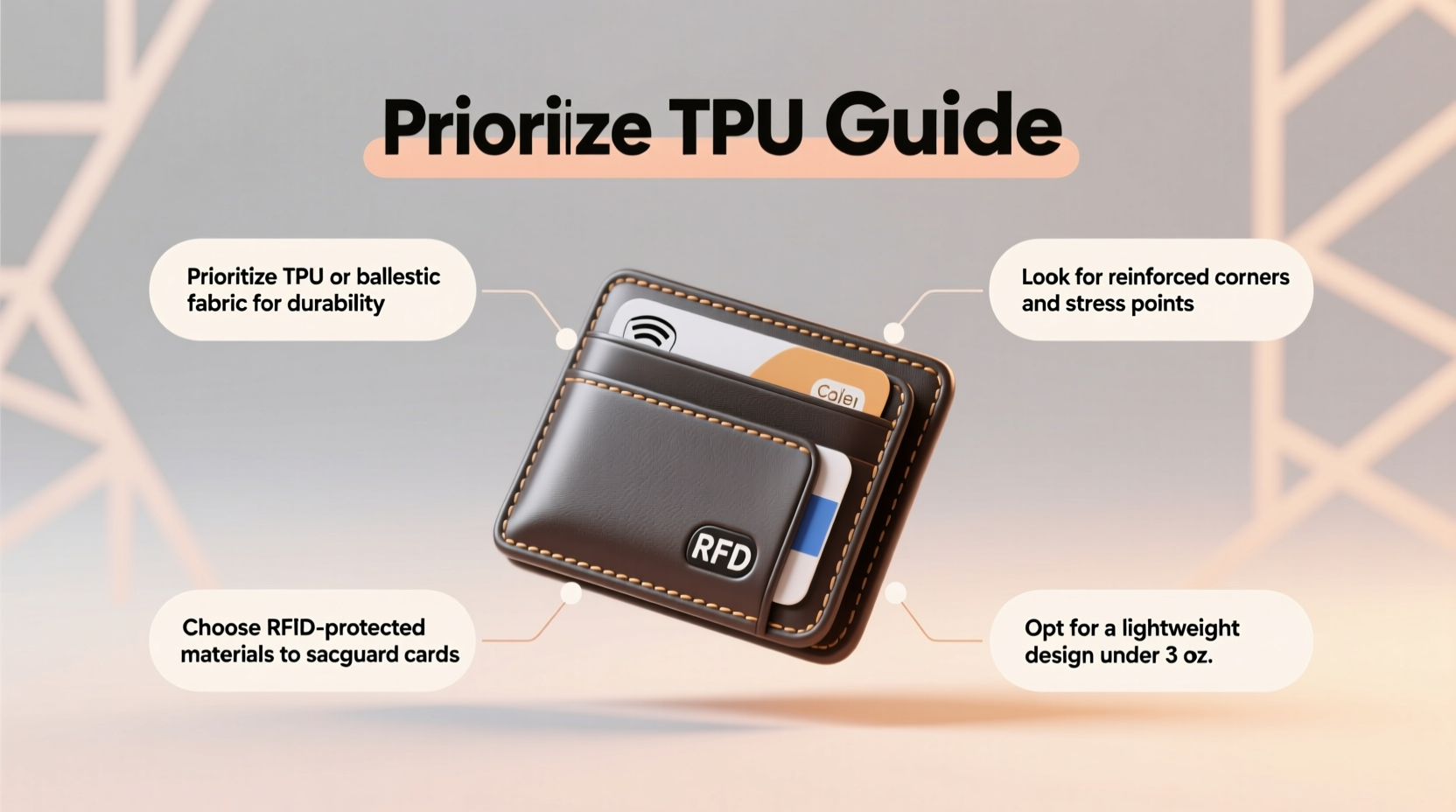
The foundation of durability lies in the material. While aesthetics play a role, long-term resilience depends on what the wallet is crafted from. The most common options include full-grain leather, ballistic nylon, titanium, and recycled composites—each with distinct advantages.
- Full-grain leather: Considered the highest quality leather, it retains the hide’s natural grain and develops a rich patina over time. Resistant to tearing and moisture when properly conditioned.
- Ballistic nylon: Originally developed for military gear, this synthetic fabric resists abrasion, water, and punctures. Ideal for urban environments or outdoor lifestyles.
- Titanium or aluminum: Used in ultra-slim RFID-blocking wallets, these metals offer extreme durability and theft protection but can dent under sharp impact.
- Recycled PET or plant-based synthetics: Eco-friendly alternatives gaining traction. Durability varies by brand, so look for reinforced stitching and UV resistance.
Construction Quality: Stitching, Seams, and Structure
A wallet can have premium materials but fail early due to poor craftsmanship. Pay close attention to how it’s assembled. Look for double-stitched seams, especially at stress points like card slots and closure edges. Saddle stitching, where two threads interlock through each hole, is superior to machine stitching because it won’t unravel if one thread breaks.
Wallets with glued layers instead of stitched ones often delaminate after repeated bending. Similarly, folded leather designs (like \"bifold roll-ups\") should maintain crisp folds without cracking. Test flexibility gently—if creases appear immediately, the leather may be too stiff or low-grade.
“Durability isn’t just about thickness; it’s about structural integrity. A well-made wallet feels solid, not flimsy, even when empty.” — Marcus Lin, Product Designer at Urban Carry Co.
Essential Features for Functionality and Longevity
Minimalist doesn’t mean minimalist on features. The best small wallets balance slimness with utility. Key elements to consider:
| Feature | Why It Matters | Recommended Standard |
|---|---|---|
| Card Capacity | Too few slots lead to overstuffing; too many defeat the purpose of compactness. | 4–6 cards comfortably, with quick-access slot |
| Cash Clip or Fold | Holds bills securely without stretching the material. | Metal-reinforced clip or deep pocket fold |
| RFID Protection | Blocks digital skimming of contactless cards. | FCC-certified shielding layer |
| Edge Finishing | Prevents fraying and adds polish. | Sanded and sealed edges, not raw cut |
| Water Resistance | Protects against spills, rain, and sweat. | Natural wax finish (leather) or coated fabric |
Real-World Example: How One Commuter Upgraded His Wallet
James, a software developer in Seattle, went through three slim wallets in two years. Each failed: one split at the seam, another had peeling faux leather, and the third lost its RFID lining after six months. Frustrated, he researched durable options and settled on a full-grain leather bifold with hand-stitching and a brass cash clip.
After 18 months of daily use—including biking in drizzle, airport scanners, and being sat on repeatedly—the wallet showed only light scuffing. The leather softened pleasantly, and no seams loosened. “I paid twice as much,” James said, “but I haven’t thought about replacing it since. It actually looks better now.”
This case illustrates that upfront cost matters less than cost-per-use. A $120 wallet lasting five years costs $2 per month. A $40 model replaced annually costs $3.33 monthly—and creates waste.
Step-by-Step Guide to Selecting Your Ideal Wallet
Follow this sequence to make an informed, lasting choice:
- Assess your carry needs: List what you carry daily—cards, IDs, cash, coins, transit pass. Eliminate non-essentials.
- Determine preferred style: Decide between bi-fold, front-pocket, sleeve, or clamshell. Front-pocket designs reduce back strain and deter pickpockets.
- Set a budget: Aim for $80–$150 for premium durability. Avoid ultra-cheap imports with vague material claims.
- Research brands: Focus on companies offering lifetime warranties, transparent sourcing, and repair services.
- Check return policy: Test the wallet for 2–4 weeks. Does it fit comfortably? Do cards slide smoothly? Return if not.
- Maintain it: Condition leather every 3–6 months. Wipe down synthetic materials with a damp cloth. Store flat when not in use.
Common Pitfalls to Avoid
- Overloading: Even durable wallets degrade faster when overstuffed. Stick to 4–6 frequently used cards.
- Ignoring climate: Humid environments accelerate mold in leather; dry heat causes cracking. Use silica packs in storage.
- Skipping RFID protection: If you carry tap-to-pay cards or passports, unshielded wallets expose you to electronic theft.
- Buying purely on looks: A sleek design means little if the corners fray after three months.
Expert Tips Checklist
Use this checklist before purchasing:
- ✅ Material is full-grain leather, ballistic nylon, or aerospace-grade metal
- ✅ Stitching is double or saddle-stitched, not glued
- ✅ Edges are burnished or sealed
- ✅ Includes RFID protection if needed
- ✅ Has a warranty (lifetime preferred)
- ✅ Fits in your front pocket without bulging
- ✅ Manufacturer provides repair or recycling options
Frequently Asked Questions
How long should a good small wallet last?
A well-maintained, high-quality wallet should last 3–7 years with daily use. Full-grain leather models often improve in appearance over time and can exceed a decade with care.
Are metal wallets worth it?
For security and slim profile, yes—especially if you value RFID blocking and anti-theft design. However, they can interfere with wireless payments if not engineered properly, and may dent. Choose reputable brands with NFC testing.
Can I repair a worn wallet?
Yes. Many artisans offer resewing, edge refinishing, and leather restoration. Some brands, like Bellroy and Secrid, provide official repair programs. Repairing extends life and reduces environmental impact.
Final Thoughts: Invest in Simplicity Built to Last
Choosing a durable small wallet isn’t about chasing trends—it’s about making a deliberate choice for quality, function, and sustainability. In a world of disposables, a well-crafted wallet becomes more than an accessory; it becomes a trusted companion. By prioritizing materials, construction, and thoughtful design, you avoid the cycle of replacement and enjoy peace of mind knowing your essentials are secure.




 浙公网安备
33010002000092号
浙公网安备
33010002000092号 浙B2-20120091-4
Comments
No comments yet. Why don't you start the discussion?