
As temperatures rise and vacation plans take shape, the straw tote bag becomes a seasonal staple. Lightweight, breathable, and effortlessly chic, it’s the go-to accessory for beach days, farmers’ markets, and weekend getaways. But not all straw totes are created equal. Many begin to fray, sag, or disintegrate by midsummer—leaving you with wasted money and a missing piece of your summer wardrobe. Choosing a truly durable straw tote isn’t just about aesthetics; it’s about craftsmanship, material integrity, and thoughtful use. With the right selection criteria and care habits, your tote can last multiple seasons while maintaining its structure and elegance.
Understand the Types of Straw and Their Durability
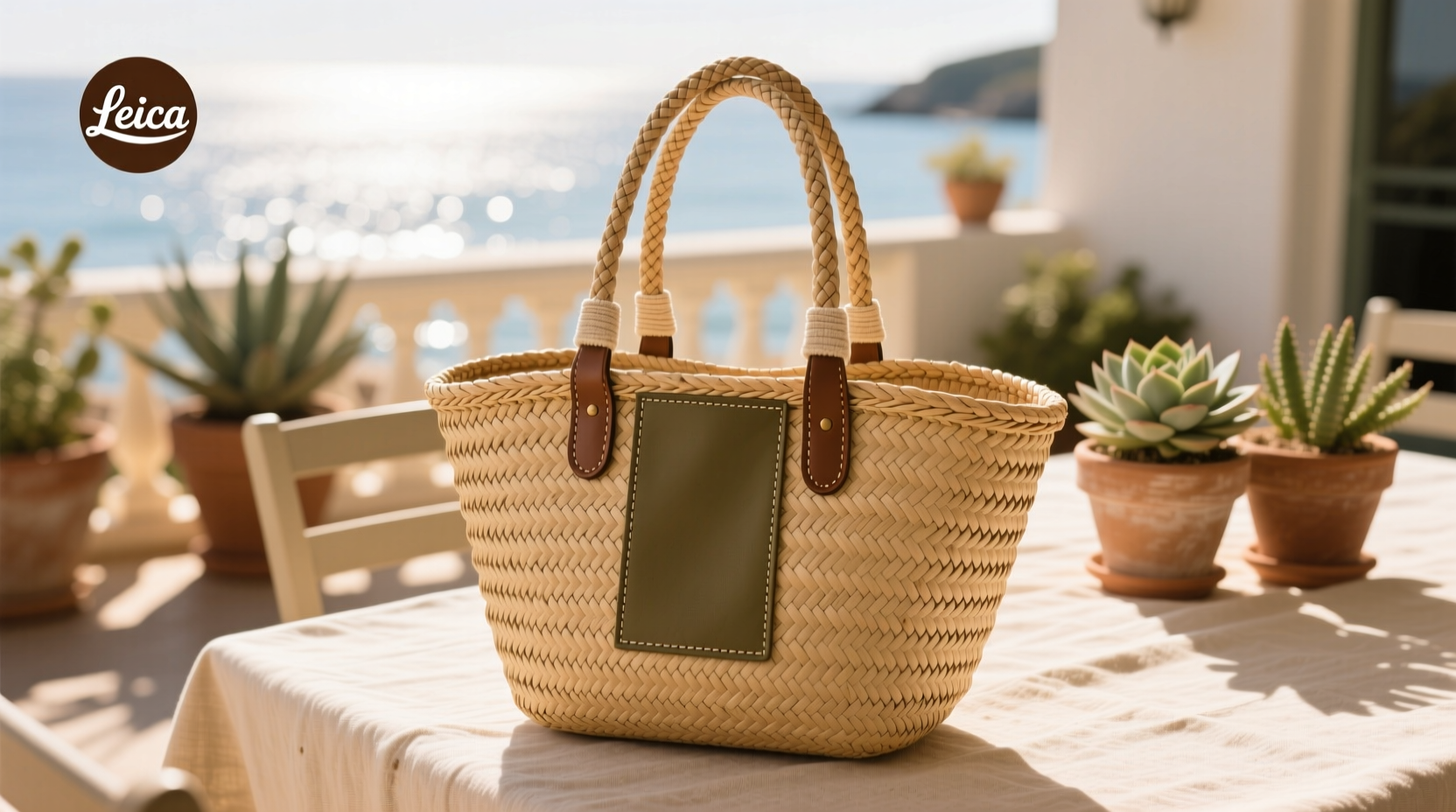
The term “straw” covers a range of natural fibers, each with distinct qualities. Knowing the source material helps predict how long your tote will endure regular use.
- Seagrass: Tightly woven and naturally water-resistant, seagrass is one of the most resilient options. It holds its shape well and resists mold when dried properly.
- Raffia: Soft and pliable, often used for fashion-forward designs. However, raffia is more delicate and prone to fraying if overused or exposed to moisture.
- Sisal: Coarse and strong, ideal for structured bags. Sisal tolerates weight better than finer weaves but can be rough on delicate fabrics.
- Water Hyacinth: Smooth texture with excellent tensile strength. When tightly woven, this material offers both durability and a refined finish.
- Straw Paper (Toquilla): Often used in Panama hats, this fine braid can be woven into high-end totes. While elegant, it requires careful handling and protection from rain.
Evaluate Construction Quality
A beautiful exterior means little if the internal structure is weak. Durable construction involves more than just thick fibers—it's about reinforcement, stitching, and design logic.
Examine the seams where handles meet the body. These stress points should feature double stitching or leather reinforcements. Bags with glued-on handles may look seamless but tend to fail under load. Woven-in straps, especially those extending from the base fabric, offer superior strength.
Lining matters too. A cotton or canvas interior lining protects the weave from abrasion caused by keys, bottles, or makeup. Unlined bags expose the straw to oils and moisture from contents, accelerating wear.
“Durability starts at the junctions—where the handle meets the bag. That’s where failure begins if poorly reinforced.” — Lena Torres, Sustainable Accessory Designer
Checklist: What to Inspect Before Buying
- Are the weaves tight and consistent?
- Do the handles feel secure? Gently tug them to test stability.
- Is there a fabric lining inside?
- Are corners reinforced or prone to collapsing?
- Does the bag stand upright on its own?
- Are metal hardware components rust-resistant (e.g., brass or coated steel)?
Care and Maintenance for Longevity
Even the best-made tote won’t survive neglect. Natural fibers react to humidity, sunlight, and physical stress. Proper maintenance extends life significantly.
Dust and sand are silent enemies. After each use, especially at the beach, shake out debris and wipe the surface with a dry microfiber cloth. For deeper cleaning, use a soft brush (like a toothbrush) to gently remove embedded dirt. Never submerge a straw bag in water—this weakens fibers and encourages mildew.
If the bag gets damp, stuff it with tissue paper to maintain shape and let it air-dry away from direct heat or sunlight. Avoid storing in plastic bags; instead, keep it in a breathable cotton dust cover or pillowcase.
| Care Step | Action | Avoid |
|---|---|---|
| Daily Maintenance | Shake out debris, wipe with dry cloth | Using wet wipes frequently |
| Deep Cleaning | Soft brush + diluted vinegar solution (spot test first) | Soaking or machine washing |
| Storage | In a cool, dry place with stuffing to hold shape | Attics, basements, or sealed plastic |
| Weather Protection | Use a natural fiber protector spray (optional) | Wearing in heavy rain |
Style That Lasts: Balancing Fashion and Function
It’s tempting to chase trends—bold colors, oversized shapes, embellishments. But the most enduring totes blend utility with understated elegance. Neutral tones like tan, beige, or navy transcend seasons and pair easily with different outfits.
Consider proportion. An overly large tote may tempt you to overpack, straining the weave and distorting the shape. A medium-sized bag (approx. 14” x 12”) typically offers enough space for essentials without compromising structural integrity.
Hardware adds character but also risk. Wooden beads or tassels may break off; metal accents can tarnish. If you love decorative elements, ensure they’re non-structural—meaning their loss won’t affect usability.
Mini Case Study: The Three-Year Tote
Sophie, a coastal lifestyle blogger, bought two nearly identical straw totes in 2021—one from a fast-fashion retailer, the other from a handcraft cooperative in Bali. Both were made from water hyacinth with cotton linings. She used them interchangeably during summers, beach trips, and errands.
By 2022, the fast-fashion tote showed visible wear: loose stitching at the handles, a collapsed base, and yellowing from sun exposure. The artisan-made tote, however, remained intact. The difference? Tighter weave density, reinforced corner seams, and Sophie’s habit of airing it out after use and storing it stuffed with tissue.
She now rotates between the original tote and a backup, proving that quality materials combined with mindful care can extend a bag’s life far beyond a single season.
Step-by-Step Guide to Extending Your Tote’s Life
- Inspect Upon Purchase: Check for even weaving, sturdy handles, and lining.
- Pre-Clean (Optional): Lightly wipe with a dry cloth to remove factory dust.
- Use a Liner Bag: Insert a washable fabric pouch inside to protect the weave and simplify cleaning.
- Rotate Usage: Avoid daily wear; alternate with another tote to reduce strain.
- Clean Monthly: Brush gently and spot-clean stains with a damp cloth and mild soap.
- Store Off-Season: Clean thoroughly, stuff with paper, and place in a breathable cover in a dry closet.
- Revive Annually: Apply a natural fiber conditioner (like diluted flaxseed oil) sparingly to prevent brittleness.
Frequently Asked Questions
Can I repair a torn straw tote?
Yes, minor tears can often be mended with a needle and thin thread matching the weave. For structural damage, consult a professional basket weaver or artisan familiar with natural fibers. Reinforcing broken handles with leather patches is also effective.
How do I prevent my tote from losing shape?
Always store it filled with tissue paper, bubble wrap, or a clean towel to support the structure. Avoid hanging by the straps, as this stretches them over time.
Are eco-friendly straw totes more durable?
Not automatically—but sustainably sourced materials often come from slower, more intentional production processes. Artisan-made bags typically receive greater attention to detail, which enhances durability. Look for certifications like Fair Trade or OEKO-TEX as indicators of quality standards.
Final Thoughts: Invest in Timeless Utility
A durable straw tote is more than a summer trend—it’s a functional companion that bridges fashion and practicality. By choosing wisely based on material, construction, and design, and by committing to simple upkeep, you can enjoy the same bag year after year. The most stylish choice isn’t always the newest one; it’s the one that endures.




 浙公网安备
33010002000092号
浙公网安备
33010002000092号 浙B2-20120091-4
Comments
No comments yet. Why don't you start the discussion?