
A handheld coin purse may seem like a minor accessory, but it plays an essential role in daily organization. Whether tucked inside a larger handbag or carried alone for quick errands, a well-built coin purse keeps loose change, cards, and small essentials secure and accessible. With so many options on the market, durability should be a top priority—especially when you're investing time and money into something you use daily. Choosing the right one means looking beyond aesthetics to focus on construction, materials, closures, and design details that ensure longevity.
Why Durability Matters in a Coin Purse
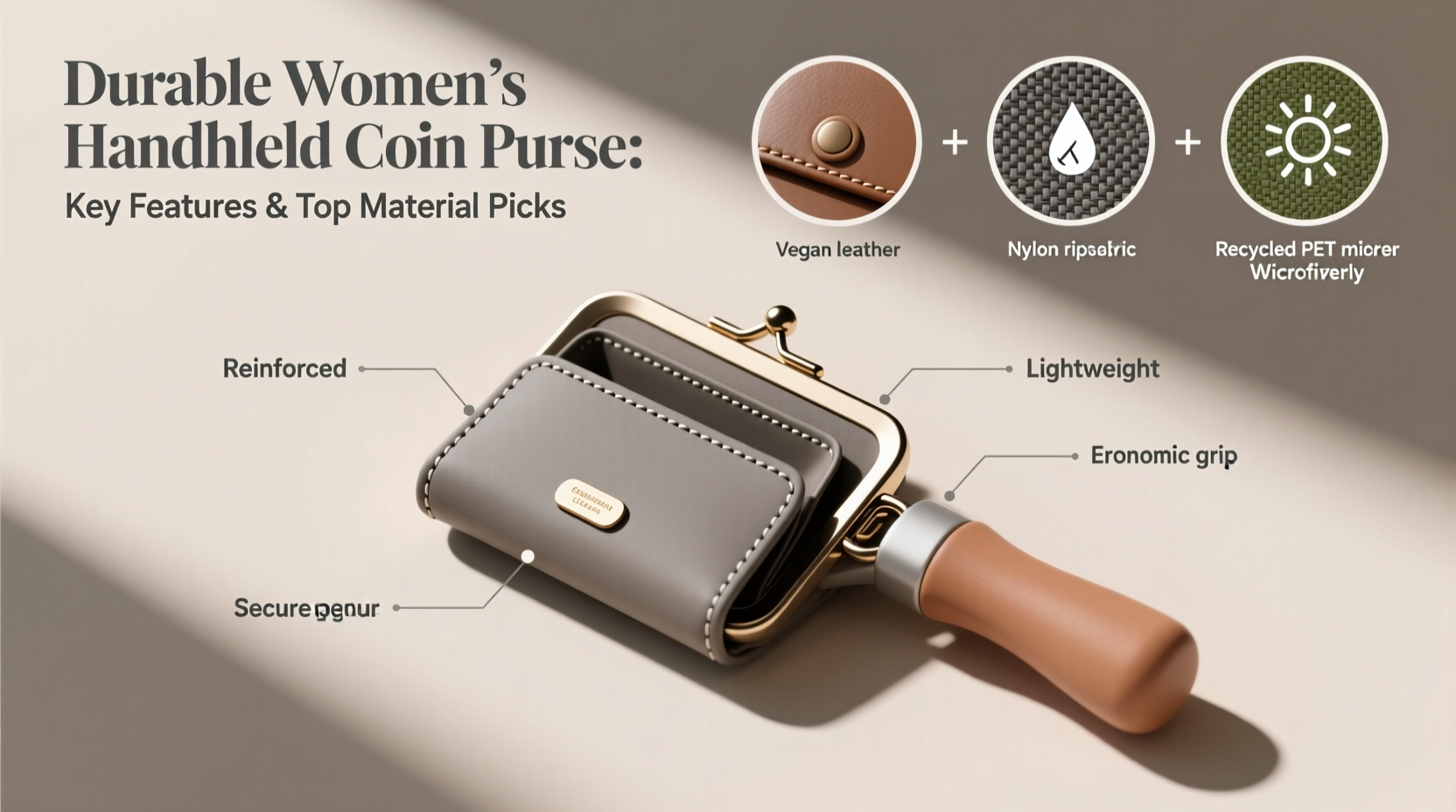
Unlike larger bags, coin purses endure frequent handling, constant opening and closing, and exposure to friction from keys, coins, and other hard items. Over time, flimsy zippers fail, seams split, and thin materials scratch or tear. A poorly made purse might last only a few months, especially if used daily. In contrast, a durable model can remain functional—and stylish—for years. Longevity isn’t just about cost savings; it’s also about reducing waste and maintaining a cohesive, reliable accessory collection.
“Durability in accessories starts with smart material selection and reinforced stress points. The best coin purses are built like miniature toolkits.” — Lena Torres, Accessory Designer & Product Developer
Key Features of a Durable Handheld Coin Purse
When evaluating a coin purse for long-term use, several structural and functional elements separate high-quality options from disposable ones.
1. Reinforced Stitching and Seam Construction
Double or triple stitching along edges and corners significantly improves resilience. Look for even, tight stitches without loose threads or puckering. Seams at high-stress areas—like zipper ends and strap attachments—should be bar-tacked or boxed for added strength.
2. High-Quality Closure Mechanism
Zippers are the most common closure type, but not all zippers are created equal. Opt for #3 or #5 coil or metal zippers from reputable brands like YKK. Metal zippers resist snagging and wear better than plastic. If the purse uses a snap or magnetic closure, ensure the hardware is solid and doesn’t feel cheap or brittle.
3. Interior Lining and Pockets
A durable lining prevents abrasion from coins and sharp objects. Polyester, nylon, or cotton duck canvas linings are ideal. Avoid thin, flimsy fabrics that show wear quickly. Internal card slots or mesh pockets add functionality without compromising structure.
4. Compact Yet Functional Design
The purse should fit comfortably in a palm or small clutch while offering enough space for essentials. Overly bulky designs defeat the purpose of a compact coin holder, while undersized models become frustrating to use. Ideal dimensions range from 4” x 3” to 5” x 4”.
5. Strap or Wristlet Attachment (Optional but Useful)
If the purse includes a wrist strap, check that it’s securely attached with metal rivets or double-stitched anchors. Elastic straps tend to degrade over time, while leather or woven nylon hold up better.
Top Material Picks for Long-Lasting Use
The material is perhaps the most critical factor in determining a coin purse’s lifespan. Here’s a breakdown of the best options, ranked by durability, maintenance, and real-world performance.
| Material | Durability | Water Resistance | Maintenance Level | Best For |
|---|---|---|---|---|
| Genuine Leather | ★★★★★ | ★★★☆☆ | Medium | Daily use, premium look, aging gracefully |
| Fully Vulcanized Rubber (e.g., natural latex) | ★★★★☆ | ★★★★★ | Low | Wet climates, outdoor use |
| Cordura Nylon | ★★★★☆ | ★★★★☆ | Low | Active lifestyles, travel |
| PVC-Coated Fabric | ★★★☆☆ | ★★★★★ | Low | Budget-friendly, easy wipe-clean |
| Suede | ★★☆☆☆ | ★☆☆☆☆ | High | Style-focused, occasional use |
| Recycled PET Fabric | ★★★☆☆ | ★★★☆☆ | Low-Medium | Eco-conscious buyers |
- Genuine Leather: Develops a rich patina over time and resists tearing. Full-grain or top-grain leather is best. Requires occasional conditioning.
- Cordura Nylon: Originally developed for military gear, this fabric resists abrasions, tears, and UV damage. Often used in minimalist, utilitarian designs.
- Vulcanized Rubber: Found in heritage-style Japanese coin purses, this material is naturally water-resistant and extremely tough. Ages beautifully with use.
- PVC-Coated Fabrics: Offer excellent protection against spills and moisture. However, they may crack over time in extreme temperatures.
Step-by-Step Guide to Selecting Your Ideal Coin Purse
- Assess Your Usage Needs: Do you carry it daily? Will it hold coins, cards, lip balm, or keys? Define your primary use case.
- Set a Realistic Budget: Durable purses typically range from $25–$70. Avoid ultra-cheap options under $15—they often skimp on materials and stitching.
- Check Material Specifications: Look for product descriptions that name exact materials (e.g., “top-grain cowhide,” “1000D Cordura nylon”). Vague terms like “premium fabric” are red flags.
- Inspect Closure Quality: Pull the zipper open and closed multiple times. Does it glide smoothly? Is the pull tab sturdy?
- Examine Interior Construction: Flip it inside out if possible. Are seams clean? Is the lining tightly secured?
- Consider Brand Reputation: Brands like Bellroy, Sachi, Porter-Yoshida & Co., and Baggu have proven track records for durable small accessories.
- Read Verified Customer Reviews: Focus on feedback mentioning long-term use, wear after 6+ months, and zipper reliability.
Real Example: Choosing Between Two Popular Models
Sophie, a freelance designer based in Seattle, needed a new coin purse that could withstand rainy commutes and daily subway rides. She compared two options: a $18 vegan leather pouch from a fast-fashion brand and a $42 vulcanized rubber model from a Japanese maker. The cheaper option looked sleek but had thin stitching and a flimsy zipper. After three weeks of use, the corner seam split. The second purse, though less trendy, survived nine months of heavy use, including being dropped on wet pavement and stuffed into tight coat pockets. Sophie now prioritizes material integrity over color trends when selecting accessories.
Essential Checklist Before You Buy
- ✅ Are the seams double-stitched?
- ✅ Is the zipper metal or high-grade coil (e.g., YKK)?
- ✅ Does the material resist scuffs and moisture?
- ✅ Is the lining thick and securely attached?
- ✅ Can it fit at least 6 coins and 2–3 cards without bulging?
- ✅ Are hardware components (snaps, rivets) made of metal, not plastic?
- ✅ Does the brand offer repair support or warranties?
Frequently Asked Questions
Can a coin purse be both stylish and durable?
Absolutely. Many modern brands blend aesthetic appeal with rugged materials. Look for minimalist leather designs, textured rubber finishes, or muted nylon weaves that balance fashion and function. Neutral colors like navy, charcoal, oxblood, and tan tend to hide wear better than bright hues.
How do I care for a leather coin purse?
Wipe gently with a dry or slightly damp cloth. Condition every 3–6 months using a leather-specific conditioner to prevent drying and cracking. Store away from direct sunlight and heat sources. Never soak or machine wash.
Are eco-friendly materials durable enough?
Some are. Recycled PET (rPET) fabric, cork, and plant-based leathers like Piñatex have improved significantly. However, they generally don’t match the toughness of full-grain leather or Cordura nylon. For heavy daily use, prioritize certified recycled nylon or blends with protective coatings.
Final Thoughts: Invest in Functionality That Lasts
A durable women’s handheld coin purse isn’t just about holding change—it’s about simplifying daily life with a reliable, well-crafted tool. By focusing on high-grade materials, strong construction, and thoughtful design, you avoid the cycle of replacing flimsy accessories every few months. Whether you prefer the elegance of leather, the resilience of nylon, or the weatherproof strength of rubber, the right choice pays off in convenience, confidence, and sustainability.




 浙公网安备
33010002000092号
浙公网安备
33010002000092号 浙B2-20120091-4
Comments
No comments yet. Why don't you start the discussion?