
A wool tweed jacket is more than just outerwear—it’s a statement of enduring style, craftsmanship, and function. Revered for its rugged elegance and weather-resistant qualities, tweed has long been a favorite among sartorial connoisseurs and countryside enthusiasts alike. But not all tweed jackets are created equal. With so many options available, from mass-produced fast-fashion versions to handcrafted heritage pieces, knowing what sets a truly high-quality jacket apart is essential.
Selecting the right tweed jacket involves more than aesthetic preference. It requires attention to fiber composition, weave integrity, tailoring precision, and finishing details. Whether you're building a classic country wardrobe or investing in a versatile piece for city wear, understanding these elements ensures your purchase delivers both longevity and sophistication.
Fabric Quality: The Foundation of a Superior Tweed Jacket
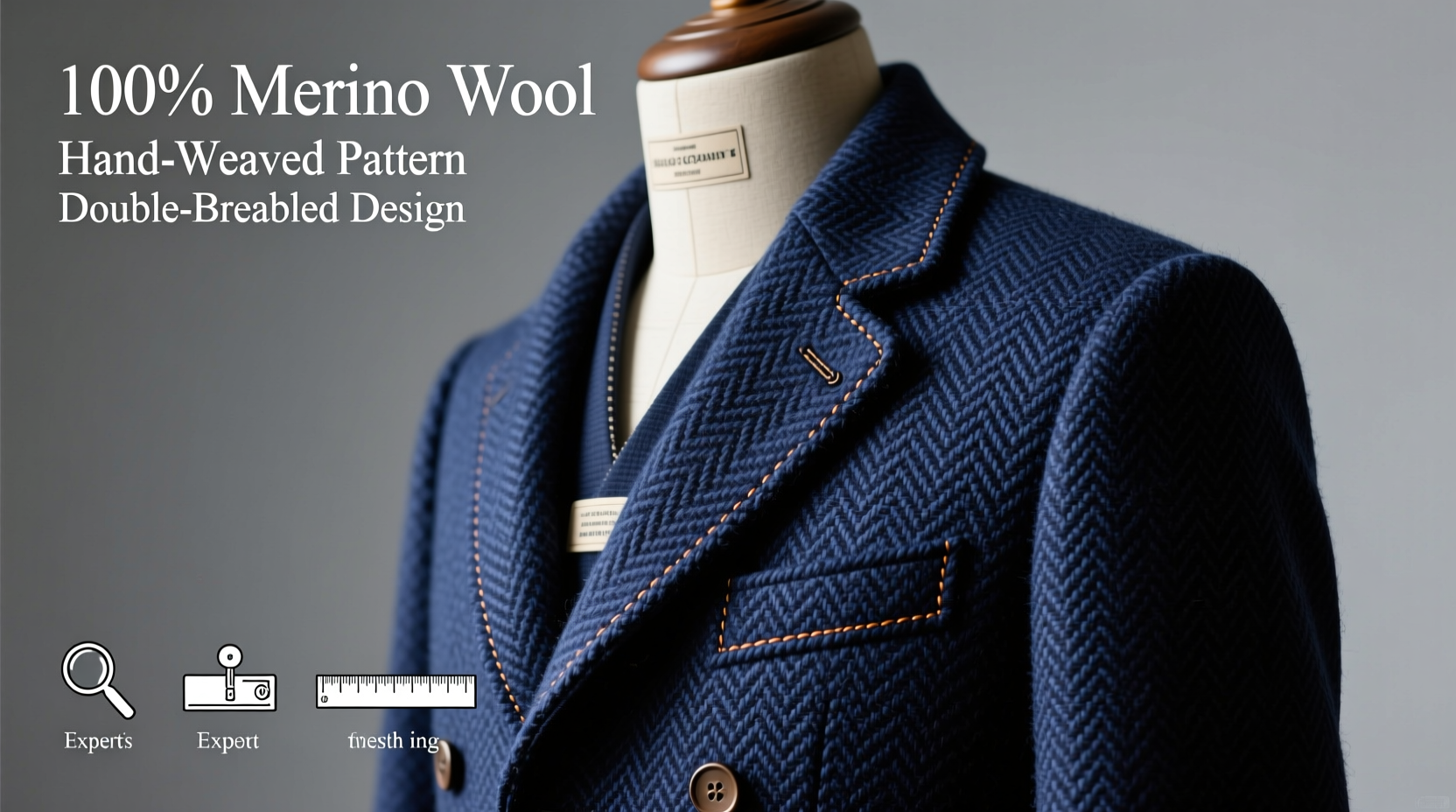
The heart of any tweed jacket lies in its fabric. True wool tweed is woven from pure virgin wool, often sourced from sheep breeds known for coarse, resilient fibers such as Cheviot or Scottish Blackface. High-quality tweed should feel substantial without being overly stiff—dense enough to offer warmth and wind resistance, yet supple enough for comfortable movement.
Look for terms like “100% wool” or “pure new wool.” Avoid blends with synthetic fibers unless they serve a specific functional purpose (e.g., added durability in shooting jackets), as synthetics compromise breathability and natural texture. The hallmark of premium tweed is its irregular slub—a slight variation in yarn thickness that gives the fabric character and visual depth.
Weave type also matters. Herringbone, houndstooth, and birdseye are common patterns, each offering distinct visual appeal. Harris Tweed, handwoven in the Outer Hebrides of Scotland, carries a protected designation of origin and is widely considered the gold standard for authenticity and quality.
Construction and Craftsmanship: What Lies Beneath the Surface
Beyond the fabric, the internal structure defines whether a jacket will drape well and age gracefully. A high-quality tweed jacket typically features a full or half-canvas construction rather than fused interlining. Canvas refers to layers of horsehair, linen, or wool felt stitched between the outer fabric and lining, allowing the garment to mold naturally to the wearer’s body over time.
Fused jackets, which use heat-glued interlinings, are cheaper to produce but prone to bubbling and stiffness after repeated wear. They lack the softness and longevity of canvas construction. Check by gently pressing into the chest area—if it feels board-like or hollow, it may be fused.
Stitching should be even and tight, with approximately 8–10 stitches per inch. Hand-stitched armholes and buttonholes are signs of superior tailoring. Inspect the inside seams: they should be cleanly finished with overlocking or bound edges, not raw cuts held together by glue or weak stitching.
“Canvas construction isn’t just about luxury—it’s about movement, breathability, and how the jacket ages. A good tweed should live with you, not against you.” — Julian Hart, Bespoke Tailor & Textile Consultant
Fit and Proportion: Balancing Style and Comfort
No matter how fine the materials, a poorly fitting jacket undermines its potential. A well-fitted tweed jacket should allow ease of motion while maintaining clean lines across the shoulders and chest.
The shoulder seam should align precisely with the end of your natural shoulder bone. If it extends beyond, the jacket is too large; if it cuts in, it’s too small. The collar should lie flat against the shirt without gapping. When buttoned, the jacket should close comfortably without strain or excess fabric pulling at the buttons.
Sleeve length is equally important. Ideally, the cuff should rest at the base of your thumb, revealing about half an inch of shirt cuff. The body length should cover the seat, typically ending near the middle of the buttocks.
Unlike sleek suit jackets, tweed allows for slightly more generous proportions—especially in country styles—but avoid anything baggy. Modern tailored tweeds offer a slimmer silhouette suitable for urban wear, while traditional cuts favor roomier fits for layering over sweaters.
Step-by-Step Guide to Evaluating Fit In-Store or Online
- Put on the jacket over a mid-weight sweater to simulate real-world use.
- Check shoulder alignment—seam should hit exactly at the shoulder edge.
- Button the jacket and assess tension across the chest and back.
- Lift your arms to test sleeve mobility and underarm comfort.
- Walk around briefly to observe how the jacket moves with your body.
- Examine the collar fit in a mirror—no gaping at the neck.
Distinguishing Features: Details That Define Quality
The finest tweed jackets reveal their excellence through subtle design choices. These include:
- Corozo nut buttons: Made from tropical palm seeds, these are durable, biodegradable, and have a matte finish that complements tweed’s earthy tone.
- Flap pockets with functional bellow: Allow expansion when carrying items like gloves or a flask—common in sporting designs.
- Vented or ventless backs: Traditional British tweeds often feature center vents for ease of movement; American styles may be ventless.
- Leather elbow patches: Not just decorative—they reinforce high-wear areas and add vintage charm.
- Internal ticket pocket: A signature of heritage brands, often labeled with the maker’s name and fabric origin.
Also consider the lining. Cupro or Bemberg rayon linings are breathable, silky, and durable—ideal for frequent wear. Avoid polyester linings, which trap moisture and degrade faster.
| Feature | High-Quality Indicator | Avoid |
|---|---|---|
| Fabric | 100% wool, visible slub, dense weave | Polyester blend, overly smooth texture |
| Construction | Half/full canvas, hand-stitched details | Fused interlining, loose stitching |
| Buttons | Natural corozo or horn | Plastic, shiny finish |
| Lining | Cupro, Bemberg, or silk | Polyester, flimsy feel |
| Fit | Contoured but not tight, clean drape | Gaping collar, pulled buttons |
Real-World Example: Choosing the Right Jacket for a Country Weekend
Consider Sarah, a professional based in London who inherited her grandfather’s estate in the Cotswolds. She needs a practical yet polished jacket for weekend walks, garden visits, and casual dinners. After researching, she opts for a medium-brown herringbone tweed from a Scottish mill, featuring full canvas construction, corozo buttons, and a Bemberg lining.
She selects a single-breasted, three-button design with a center vent and flapped patch pockets—functional yet refined. The jacket pairs effortlessly with corduroys, knitwear, and even a dress shirt when layered under a coat. Two years later, it remains a staple in her rotation, showing minimal wear thanks to proper storage and occasional brushing.
This example underscores how informed choices lead to lasting value—not just in cost-per-wear, but in personal style and confidence.
Essential Care Tips to Preserve Your Investment
Tweed is durable, but it demands thoughtful maintenance. Never machine wash or dry-clean too frequently—over-cleaning strips natural oils and accelerates wear.
- After each wear, let the jacket air out for 24 hours on a broad wooden hanger.
- Use a clothes brush with natural bristles weekly to remove dust and restore the nap.
- Spot clean stains with a damp cloth and mild wool-safe detergent—never scrub aggressively.
- Dry clean only once or twice a season, using a specialist familiar with woolens.
- Store off-season in a breathable cotton garment bag, away from moths (use cedar blocks, not naphthalene).
Frequently Asked Questions
Can I wear a tweed jacket in the city?
Absolutely. Choose a finer weave, darker color, and slimmer cut to transition from country to urban settings. Pair with chinos or dark jeans and leather boots for a modern take on heritage style.
How do I know if a tweed jacket is handmade?
True handmade jackets are rare and expensive. Look for evidence of handwork: irregular but intentional stitching, slight asymmetry in lapels, and a flexible chest piece. Most quality garments are “hand-canvassed,” meaning key sections are sewn by hand, even if the rest is machine-assisted.
Is Harris Tweed worth the premium price?
Yes, for authenticity and craftsmanship. Every yard is inspected and stamped by the Harris Tweed Authority. The handwoven process, local sourcing, and limited production justify the cost for discerning buyers.
Your Next Step: Invest with Intention
Choosing a high-quality wool tweed jacket isn’t just about buying clothing—it’s about curating a piece that tells a story. From the looms of the Scottish isles to the careful hands of tailors, every element contributes to a garment that improves with age. By focusing on fabric integrity, construction methods, precise fit, and mindful care, you ensure your jacket becomes a trusted companion for decades.




 浙公网安备
33010002000092号
浙公网安备
33010002000092号 浙B2-20120091-4
Comments
No comments yet. Why don't you start the discussion?