
A keychain may seem like a small detail in your daily routine, but its role is anything but minor. Every time you unlock your car, open your front door, or access your office, you rely on it. For those who carry their essentials every day, a flimsy or poorly designed keychain can break, fray, or fail at the worst moment. Choosing a durable, long-lasting keychain isn’t about luxury—it’s about reliability, function, and minimizing frustration. With so many materials and designs available, making the right choice requires understanding what truly withstands daily wear.
Why Keychain Durability Matters
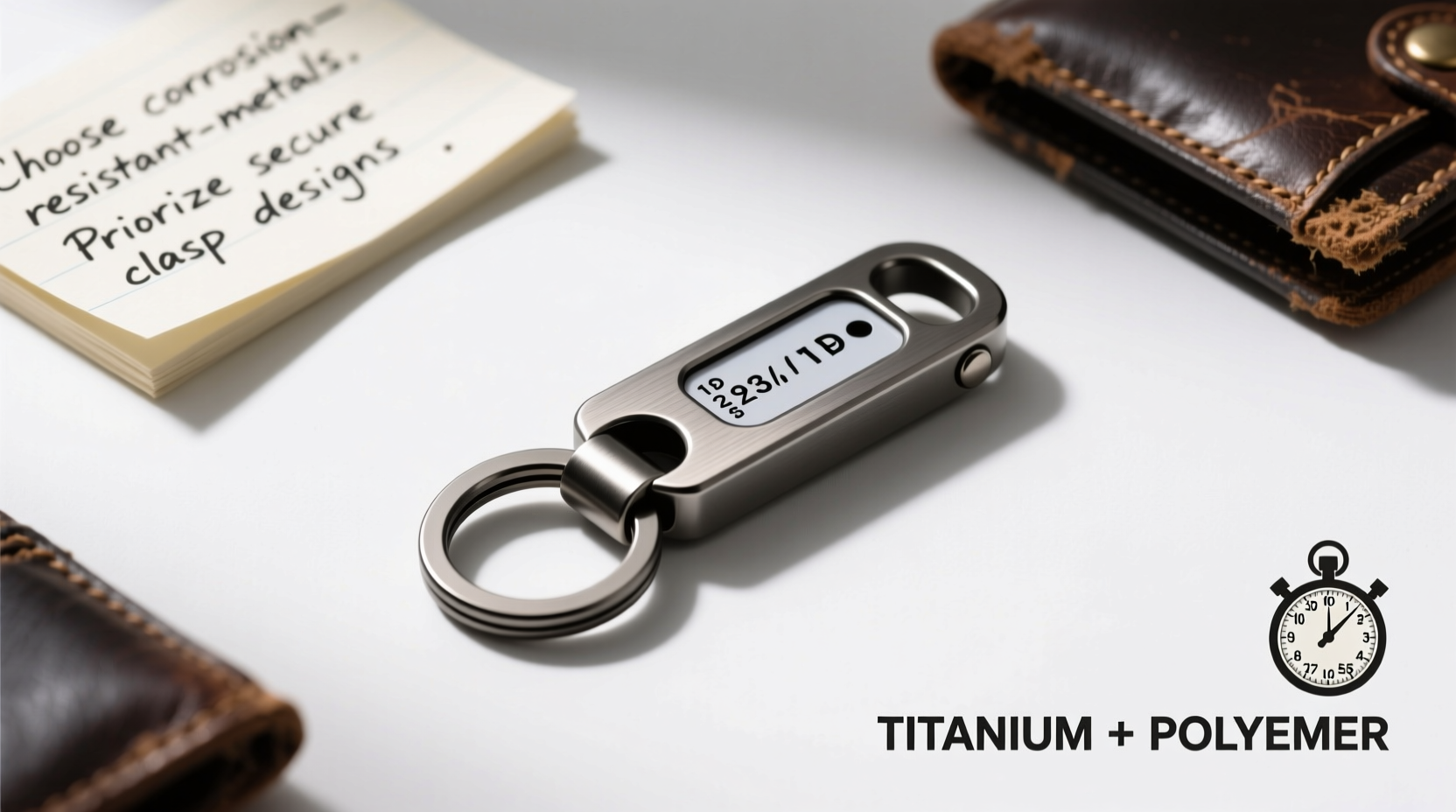
Most people underestimate the stress a keychain endures. It's jostled in pockets, dropped on pavement, exposed to moisture, and subjected to constant friction from keys. Over time, weak links—literally and figuratively—can snap. A failed keychain means lost access, replacement costs, and potential security risks if keys are misplaced.
Durability isn't just about strength; it's also about design intelligence. A well-made keychain should secure keys firmly, resist corrosion, and maintain usability over years—not weeks. Whether you're a commuter, tradesperson, outdoor enthusiast, or city dweller, investing in a quality keychain pays off in convenience and peace of mind.
Key Materials: Strength, Weight, and Longevity Compared
The material of your keychain determines much of its lifespan. Below is a breakdown of the most common options, each with distinct advantages and trade-offs.
| Material | Strength | Corrosion Resistance | Weight | Lifespan (Est.) |
|---|---|---|---|---|
| Stainless Steel | Excellent | High | Medium-Heavy | 5+ years |
| Titanium | Excellent | Very High | Light | 7+ years |
| Brass | Good | Moderate (tarnishes) | Heavy | 3–5 years |
| Aluminum | Fair | High | Very Light | 2–4 years |
| Nylon/Paracord | Good (if braided well) | High | Very Light | 1–3 years (depends on use) |
| Leather | Fair | Low (without treatment) | Light | 1–2 years (with care) |
Stainless steel and titanium stand out for long-term EDC (everyday carry) use. Stainless steel offers high tensile strength and resistance to rust, especially grades 304 and 316. Titanium, while more expensive, provides exceptional strength-to-weight ratio and near-immunity to environmental degradation. Both are ideal for users in humid climates or those frequently exposing gear to salt, sweat, or rain.
Design Features That Prevent Failure
Beyond material, design plays a critical role in longevity. A poorly engineered clasp or weak link will compromise even the strongest metal.
- Solid Ring Construction: One-piece welded rings eliminate weak seams. Avoid split key rings that can pry open under pressure.
- Secure Attachment Mechanisms: Choose keychains with captive shackle locks, screw gates, or double-locking carabiners rather than simple spring clips.
- Minimalist Layout: Fewer moving parts mean fewer points of failure. Integrated bottle openers or multitools add utility but may reduce structural integrity if not expertly built.
- Smooth Edges: Rough welds or sharp bends create stress points where cracks begin. Look for polished or CNC-machined finishes.
“Most keychain failures I’ve seen stem from poor hinge or latch design—not material weakness.” — Daniel Reeves, Industrial Gear Designer
Step-by-Step Guide to Selecting Your Ideal Keychain
- Assess Your Carry Load: Count how many keys you carry regularly. Heavy bundles need robust attachment systems (e.g., swivel lobster clasps or rotating key reels).
- Determine Environmental Exposure: If you work outdoors, travel often, or live near the coast, prioritize corrosion-resistant materials like titanium or marine-grade steel.
- Evaluate Daily Use: Will it go in a pocket, attach to a belt loop, or hang from a bag? Consider size and snag risk. Bulky designs may be durable but inconvenient.
- Test Attachment Security: Simulate real-world movement. Shake it, twist it, pull on individual keys. Does anything shift or loosen?
- Check for Replaceable Parts: Some premium keychains allow swapping worn components (like clips or rings), extending overall life.
- Research Brand Reputation: Look for companies that offer lifetime warranties or publish durability test data (e.g., drop tests, load ratings).
Real-World Example: The Commuter’s Upgrade
Mark, a city-based software engineer, used a thin aluminum keychain with a magnetic closure. Within eight months, the magnet weakened, and he lost his house key after it detached during a subway transfer. After researching alternatives, he switched to a one-piece titanium key ring with a threaded locking mechanism. Two years later, it shows no signs of wear despite daily use, exposure to rain, and being tossed into backpacks and coat pockets. The initial cost was higher, but the elimination of anxiety—and replacement expenses—made it a clear win.
Common Mistakes to Avoid
- Choosing Style Over Substance: Engraved novelty keychains often sacrifice durability for aesthetics. Decorative cutouts weaken structural integrity.
- Overloading Small Clips: Attaching too many heavy keys to a tiny split ring increases shear stress and accelerates fatigue.
- Ignoring Maintenance: Even durable materials benefit from occasional cleaning. Salt residue and grime accelerate corrosion, especially in steel and brass.
- Using Adhesives or DIY Fixes: Gluing broken links or wrapping frayed cords is a temporary fix that masks deeper issues.
Essential Checklist Before Buying
Use this checklist to ensure your next keychain is built to last:
- ✅ Made from stainless steel, titanium, or high-strength alloy
- ✅ One-piece or welded construction (no weak joints)
- ✅ Secure, lockable closure mechanism
- ✅ Smooth finish with no burrs or rough edges
- ✅ Appropriate size and weight for your key load
- ✅ Corrosion-resistant coating or inherent material property
- ✅ Positive user reviews focused on long-term durability
- ✅ Manufacturer offers repair or replacement policy
Frequently Asked Questions
Can I mix different keychain materials?
You can, but it's not recommended for long-term use. Dissimilar metals (e.g., steel and aluminum) can cause galvanic corrosion when exposed to moisture, leading to premature failure.
How do I know if a keychain is truly “lifetime” durable?
True durability claims are backed by testing. Look for brands that specify load limits (e.g., 50+ lbs tensile strength), publish drop-test videos, or offer no-questions-asked replacements for broken units.
Are leather keychains worth it for EDC?
Only if treated regularly and used in dry environments. Leather stretches and degrades with moisture and friction. While stylish, it’s better suited for backup or decorative sets rather than primary everyday carry.
Final Thoughts: Build Reliability Into Your Routine
A long-lasting keychain isn’t an indulgence—it’s a tool. Like a good pocket knife or rugged flashlight, it should perform silently and reliably, year after year. By prioritizing strong materials, smart engineering, and thoughtful design, you eliminate a small but frequent point of failure in your daily life. Don’t wait for a snapped ring or lost key to make a change. Evaluate your current keychain, apply these principles, and upgrade to something that won’t let you down.




 浙公网安备
33010002000092号
浙公网安备
33010002000092号 浙B2-20120091-4
Comments
No comments yet. Why don't you start the discussion?