
Cinnamon and pine are two of the most evocative natural scents—cinnamon brings warmth, spice, and comfort, while pine offers crisp freshness with a touch of forest-like clarity. When combined, they create a sensory experience reminiscent of winter mornings, holiday gatherings, or cozy cabin retreats. To fully harness their potential, selecting the right scent diffuser is essential. Not all diffusers perform equally when it comes to dispersing complex aromatic profiles like these. The wrong device can mute the depth of cinnamon or distort pine’s sharpness into something artificial.
A well-chosen diffuser doesn’t just release fragrance—it preserves the integrity of each note, balances volatility, and distributes aroma evenly throughout a space. Whether you're curating an ambiance for your home, office, or retail environment, understanding how different diffusers interact with cinnamon and pine will elevate your olfactory experience from pleasant to profound.
Understanding Cinnamon and Pine in Aromatics
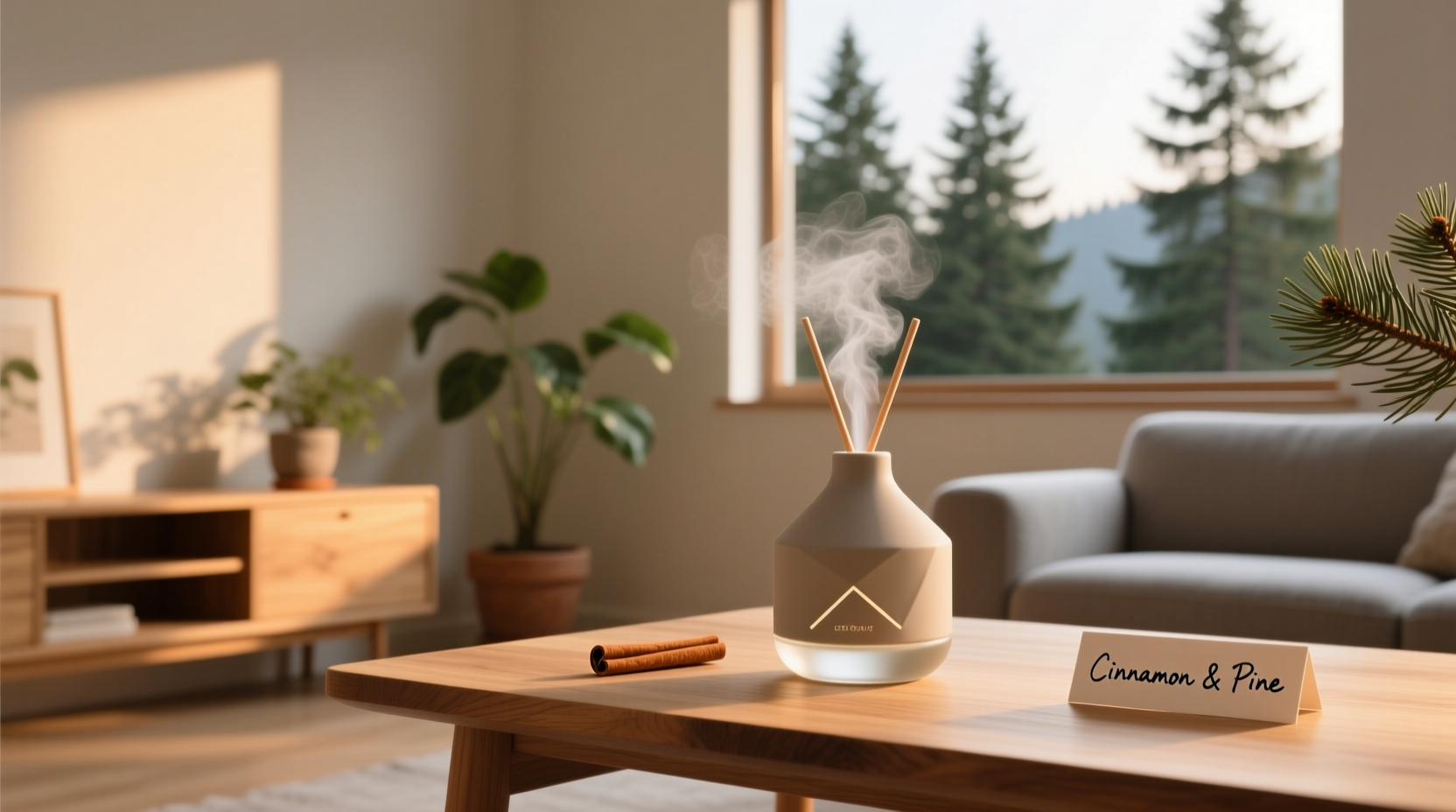
Cinnamon and pine represent two distinct olfactory families: cinnamon belongs to the spicy, warm category, typically derived from bark oil (Cinnamomum zeylanicum), rich in cinnamaldehyde, which gives it its signature sweet-heat character. Pine, on the other hand, is a coniferous essential oil (Pinus sylvestris or similar species), dominated by terpenes like alpha-pinene and limonene, lending it bright, clean, slightly resinous qualities.
When blending or layering these notes, consider their chemical behavior. Cinnamon is heavier and more viscous, meaning it evaporates slowly and may settle at the bottom of a diffuser reservoir if not properly emulsified. Pine is highly volatile—its top notes dissipate quickly, often within the first 15–30 minutes of diffusion. This contrast creates a challenge: how to maintain both the initial freshness of pine and the lingering warmth of cinnamon over time.
The ideal diffuser should accommodate this dynamic range. It must be capable of atomizing thicker oils without clogging and sustaining consistent output so that neither note dominates prematurely or fades too soon.
“Balancing base and top notes requires precision in dispersion technology. Many consumers overlook how equipment affects scent longevity.” — Dr. Lena Torres, Aroma Chemist & Sensory Consultant
Types of Diffusers and Their Impact on Cinnamon-Pine Blends
Not all diffusers are created equal. Each type interacts differently with essential oils based on particle size, dispersion method, and maintenance needs. Below is a comparison of common diffuser types and their suitability for cinnamon and pine combinations.
| Diffuser Type | Pros for Cinnamon-Pine | Cons for Cinnamon-Pine | Best For |
|---|---|---|---|
| Ultrasonic | Gentle mist preserves delicate pine notes | May struggle with thick cinnamon oil; water dilution alters scent profile | Small rooms, humid environments |
| Nebulizing | No heat or water—preserves full spectrum of both oils | Uses oil faster; louder operation | Larger spaces, strong scent projection |
| Evaporative (fan-based) | Good airflow helps lift pine top notes | Heat from fan can degrade cinnamon compounds | Quick bursts of fragrance, temporary use |
| Reed | Subtle, continuous release ideal for layered scents | Very slow diffusion; pine may fade before cinnamon emerges | Passive ambiance, decorative settings |
| Heat-based | Can enhance cinnamon's spiciness through warming | Destroys pine’s freshness; risks altering chemical structure | Seasonal use only, limited control |
For cinnamon and pine pairings, **nebulizing diffusers** stand out as the optimal choice. They operate without heat or water, using pressurized air to break oils into micro-particles, ensuring both top and base notes are released in proper proportion. While they consume oil more rapidly, the fidelity of scent reproduction makes them worth the investment for serious fragrance enthusiasts.
Step-by-Step Guide to Selecting the Right Diffuser
Choosing a diffuser isn't just about aesthetics or price—it's about matching technical performance to your desired scent experience. Follow this sequence to ensure compatibility with cinnamon and pine notes.
- Define Your Space Size: Measure the square footage where the diffuser will operate. Nebulizers work best in medium to large rooms (300+ sq ft), while reed or small ultrasonic units suit areas under 200 sq ft.
- Determine Scent Intensity Preference: Do you want a bold, immersive aroma or a background whisper? High-output nebulizers offer adjustable intensity; reed diffusers provide low-level consistency.
- Check Oil Compatibility: Verify whether the diffuser handles pure essential oils. Avoid models requiring water dilution if preserving undiluted cinnamon-pine balance is critical.
- Evaluate Maintenance Needs: Thicker oils like cinnamon can leave residues. Choose a model with easy disassembly and cleaning access, especially for nebulizers and ultrasonics.
- Test Noise Levels: Nebulizers use compressors that emit a soft hum. If placing in a bedroom or quiet study, confirm sound output is below 30 dB.
- Assess Design Integration: While secondary to function, design matters for visibility. Opt for minimalist finishes (matte black, brushed metal) that complement rustic or modern interiors alike.
- Review Timer and Automation Features: Smart controls allow scheduling diffusion during peak hours (e.g., evenings). This prevents overuse and extends oil life.
Creating Harmonious Blends Around Cinnamon and Pine
A diffuser can only do so much—the quality of the oil blend itself determines final results. Cinnamon and pine form a compelling duo, but they benefit from supporting notes that bridge their contrasting energies.
- Clove: Enhances cinnamon’s warmth with additional spice, creating a nostalgic holiday effect.
- Orange or Tangerine: Citrus lifts pine’s brightness and softens cinnamon’s intensity, adding vibrancy.
- Vanilla or Benzoin: Adds creamy sweetness to ground the sharper edges of both primary notes.
- Fir or Spruce: Deepens the evergreen profile, enriching the forest-like dimension without overpowering.
A balanced formula might consist of:
- 3 drops pine essential oil
- 2 drops cinnamon bark oil
- 2 drops sweet orange
- 1 drop vanilla absolute (diluted in carrier)
Mix thoroughly before loading into a nebulizer or filling a reed diffuser bottle. Always use glass containers—plastic can react with essential oils over time, altering scent and potentially leaching chemicals.
“In blending, think like a perfumer: structure your scent in layers. Let pine open the experience, cinnamon anchor it, and citrus carry it forward.” — Marcus Reed, Master Perfumer at Verdant Scents Studio
Real-World Example: A Holiday Pop-Up Shop Experience
In late 2023, a boutique gift shop in Portland launched a seasonal pop-up focused on handmade candles and wellness products. The owners wanted to evoke “a walk through a snowy forest after baking cookies,” aiming to combine coziness with crisp outdoor energy.
They initially used several small ultrasonic diffusers with a pre-mixed cinnamon-pine oil. Guests reported that the pine was noticeable near the entrance but disappeared deeper inside, while cinnamon became overwhelming near checkout counters. The scent lacked cohesion.
After consulting an aroma designer, they switched to three central nebulizing diffusers placed strategically along the main aisle. They reformulated the blend to include orange and fir, reducing cinnamon concentration by 30%. The new setup provided even distribution, with pine remaining detectable throughout visits lasting up to 20 minutes. Customer feedback improved dramatically—many mentioned feeling “transported” and “comfortably energized.” Sales increased by 27% compared to the previous year’s un-scented event.
This case illustrates how pairing the right equipment with thoughtful formulation amplifies emotional impact—and commercial success.
Essential Checklist Before Purchasing
Before committing to a diffuser, run through this checklist to ensure it supports cinnamon and pine effectively:
- Compatible with 100% pure essential oils (no water required)
- Adjustable mist output or timer settings
- Easy-to-clean components (especially nozzle/reservoir)
- Low noise level (under 35 dB for quiet spaces)
- Suitable coverage area matches room size
- Constructed from non-reactive materials (glass, stainless steel, ceramic)
- Includes warranty or customer support for clogs or malfunctions
Frequently Asked Questions
Can I use pre-made cinnamon-pine fragrance oils instead of essential oils?
Yes, but with caution. Synthetic fragrance oils often amplify certain notes unnaturally—pine may smell like cleaning products, and cinnamon can become overly sweet. If choosing fragrance oils, opt for phthalate-free, high-quality blends designed for diffusers. For authenticity and therapeutic benefits, pure essential oils remain superior.
How often should I clean my diffuser when using cinnamon oil?
Cinnamon’s density leaves residue faster than most oils. Clean your diffuser every 7–10 days of regular use. Use isopropyl alcohol (70%) and a soft brush to clear nozzles and reservoirs. Neglecting cleaning leads to inconsistent output and potential motor strain.
Why does my pine scent disappear after 10 minutes?
Pine is a top note with high volatility. Without proper diffusion technology or supporting mid-notes (like citrus or herbs), it evaporates quickly. Use a nebulizer or blend pine with longer-lasting oils such as cedarwood or vetiver to extend its presence.
Final Considerations: Placement and Environment
Even the best diffuser fails if placed incorrectly. Airflow, humidity, and temperature all influence how cinnamon and pine unfold in space.
Position the diffuser centrally, away from corners or obstructions. Avoid placing it directly beside windows or HVAC vents, where drafts can scatter fragrance unevenly. Ideal room temperature ranges between 68°F and 74°F (20°C–23°C); colder air suppresses volatility, warmer air accelerates evaporation.
Humidity also plays a role. In dry climates, nebulizers perform optimally since there’s no added moisture competing with oil particles. In humid regions, avoid ultrasonic models—they add excess water vapor, which can make the air feel stuffy when combined with dense spices like cinnamon.
Conclusion: Elevate Your Atmosphere with Intention
Selecting a scent diffuser for cinnamon and pine isn’t merely a matter of plugging in a device—it’s an act of curation. These notes carry memory, mood, and meaning. Done well, they transform a space into something emotionally resonant: welcoming, grounded, alive with seasonal rhythm.
The right diffuser preserves the complexity of both ingredients, letting pine sparkle and cinnamon glow in harmony. Prioritize performance over price, compatibility over convenience, and balance over brute strength. Whether you're crafting a personal sanctuary or shaping a public experience, your choice of diffuser shapes perception as much as perfume.




 浙公网安备
33010002000092号
浙公网安备
33010002000092号 浙B2-20120091-4
Comments
No comments yet. Why don't you start the discussion?