
In an era where digital theft, pickpocketing, and identity fraud are on the rise, your wallet is more than just a fashion accessory—it's a frontline defense for your personal and financial information. With most people carrying multiple cards for credit, debit, transit, ID, and membership access, a well-designed multi-card wallet isn’t optional; it’s essential. But not all wallets offer equal protection. Choosing one that balances security, functionality, and durability requires careful consideration of materials, design, and advanced protective features.
Why Security Matters in a Multi-Card Wallet
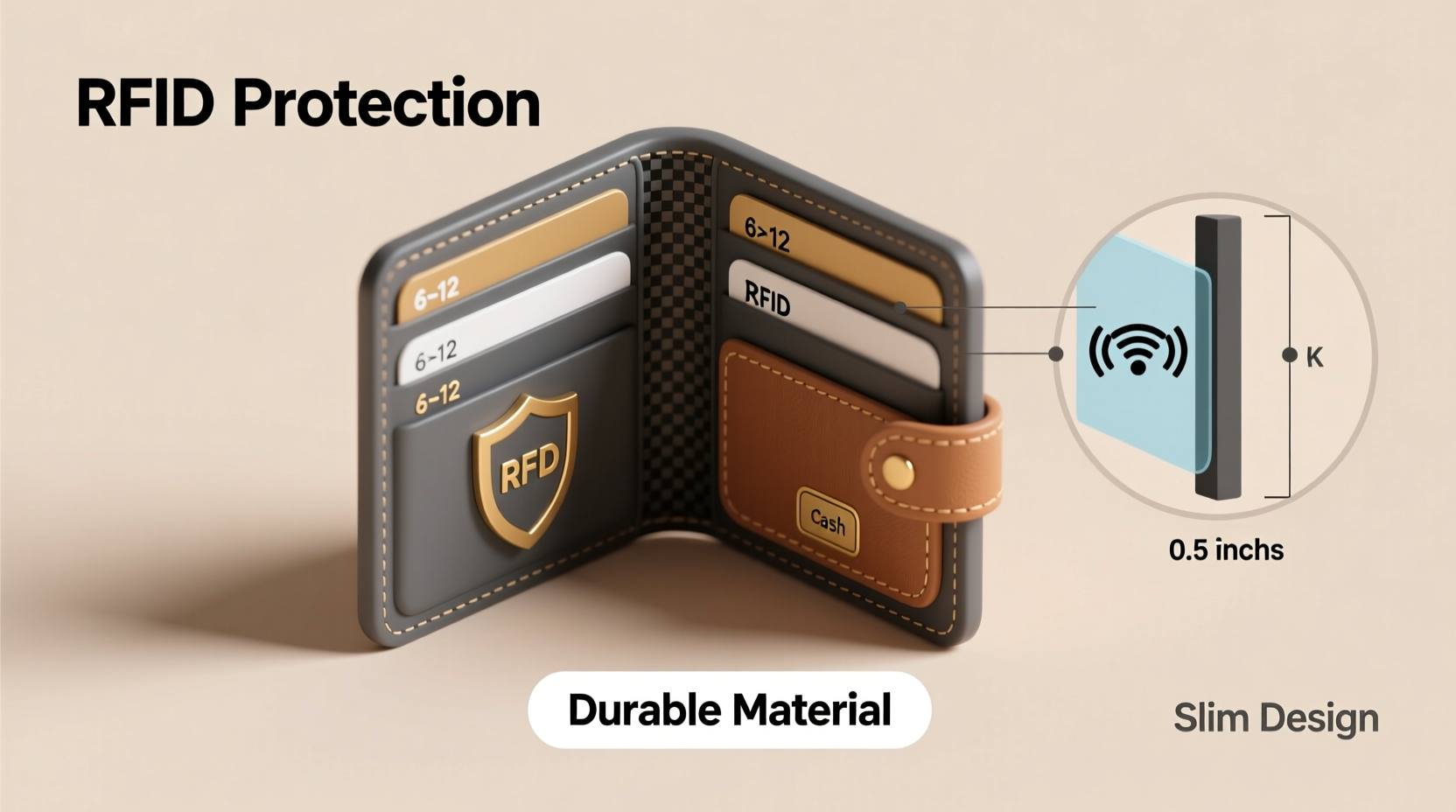
Carrying several cards increases convenience but also risk. A lost or stolen wallet can lead to unauthorized transactions, identity theft, and hours spent canceling accounts. Beyond physical theft, electronic skimming—where criminals use RFID readers to steal data wirelessly from contactless cards—is a growing threat. A truly secure wallet must guard against both scenarios. The best options combine physical resilience with technological safeguards, ensuring your cards stay protected whether you're commuting through a crowded city or traveling abroad.
“Your wallet should be as secure as your smartphone. If it lacks RFID blocking or durable construction, you’re leaving yourself vulnerable.” — Daniel Reyes, Cybersecurity Consultant at SafeAccess Labs
Key Features of a Secure Multi-Card Wallet
When evaluating wallets, prioritize these five core attributes:
- RFID Blocking Technology: Prevents wireless scanning of chip-based cards using embedded metallic shielding layers.
- Durable Materials: Full-grain leather, ballistic nylon, or Kevlar weaves resist wear, tear, and tampering.
- Smart Compartment Layout: Organized slots prevent card bending and allow quick access without exposing all cards.
- Theft-Deterrent Design: Features like zipper enclosures, snap closures, or hidden pockets discourage opportunistic theft.
- Low-Profile Silhouette: Slim designs reduce bulk and make it harder for pickpockets to detect and remove from pockets.
Step-by-Step Buying Guide
Selecting the right wallet involves more than aesthetics. Follow this process to ensure long-term satisfaction and safety:
- Assess Your Card Load: Count how many cards you regularly carry. Include IDs, credit, transit, gym, and loyalty cards. Choose a wallet with 1–2 extra slots for flexibility.
- Evaluate Daily Use Case: Are you commuting daily? Traveling frequently? Working in high-theft areas? Urban professionals benefit most from slim, RFID-shielded models.
- Check Material Quality: Avoid synthetic leathers or flimsy fabrics. Opt for full-grain leather or reinforced technical textiles known for longevity.
- Test Closure Mechanism: Zippers offer maximum security but add bulk. Snap flaps or elastic bands balance access and safety. Avoid open-top designs in crowded environments.
- Verify RFID Protection Claims: Not all “RFID-blocking” wallets are effective. Look for independent lab testing certifications or Faraday cage-style lining.
- Consider Ergonomics: The wallet should fit comfortably in front or back pockets without distorting shape or straining seams over time.
- Review Warranty & Brand Reputation: Reputable brands often offer lifetime warranties, reflecting confidence in craftsmanship.
Comparison: Wallet Types and Security Levels
| Type | Card Capacity | RFID Protection | Theft Resistance | Best For |
|---|---|---|---|---|
| Fold-Over Bifold | 4–8 cards | Sometimes | Moderate | Everyday casual use |
| Front-Pocket Slim Wallet | 3–6 cards | Usually included | High (low-profile) | Urban commuters, travelers |
| Crossbody/Cardholder Pouch | 6–12+ cards | Often built-in | Very High (worn visibly) | Travelers, festival-goers |
| Zip-Around Wallet | 8–15 cards | Common | High (full enclosure) | Business users, frequent flyers |
| Traditional Leather Wallet | 6–10 cards | Rare | Low to Moderate | Formal settings, minimalists |
Real-World Example: A Traveler’s Wake-Up Call
Mark, a digital marketer based in Berlin, learned the hard way during a trip to Barcelona. While visiting La Rambla, he felt someone brush past him. Later that evening, his bank flagged two unauthorized charges on his contactless credit card. Though the transactions were reversed, the incident prompted him to research secure wallets. He switched to a slim, aluminum-lined front-pocket model with eight card slots and a magnetic closure. Since then, he’s traveled across 14 countries without another incident. “I used to think wallets were interchangeable,” he said. “Now I know mine is part of my personal security system.”
Essential Buying Checklist
Before purchasing, confirm the following:
- ✅ Includes RFID-blocking layer tested to block 13.56 MHz signals (standard for contactless cards)
- ✅ Holds all your regular cards without overstuffing
- ✅ Made from abrasion-resistant material (e.g., full-grain leather, Cordura nylon)
- ✅ Features a secure closure (zipper, snap, or shielded flap)
- ✅ Designed for front-pocket carry to deter pickpockets
- ✅ Offers easy card access without full exposure
- ✅ Backed by a warranty or satisfaction guarantee
Frequently Asked Questions
Do all RFID-blocking wallets work the same?
No. Effectiveness varies widely. Some only shield one side, while others create a full Faraday cage. Independent tests show that wallets using layered metal mesh or aluminum composite perform best. Avoid products with vague claims like “RFID-safe” without technical details.
How many card slots do I really need?
Most people use 4–6 cards daily. Aim for capacity slightly above your current count to accommodate future needs. Overfilling leads to bulging, seam strain, and slower access—defeating the purpose of organization.
Are metal wallets better than fabric or leather ones?
Metal wallets (often titanium or aluminum) offer excellent durability and RFID protection but can damage cards over time due to rigidity and lack of cushioning. They’re also heavier and may trigger airport scanners. Hybrid designs—leather with internal metal plates—are often the best compromise.
Final Considerations Before You Buy
A secure multi-card wallet isn’t a luxury—it’s a necessity in today’s world. Beyond protecting your finances, it streamlines daily routines, reduces clutter, and gives peace of mind. When selecting yours, don’t be swayed by branding or color alone. Prioritize function, verify security claims, and invest in quality. Remember, a $50 wallet that lasts ten years costs less per month than replacing three $20 wallets that fail within months.
Also, consider sustainability. Many premium brands now use vegetable-tanned leathers, recycled metals, and ethical manufacturing. Supporting such companies ensures your purchase aligns with both personal and environmental values.
Take Action Today
Your wallet holds keys to your identity and economy. Don’t wait for a theft or data breach to act. Audit your current wallet: does it protect your cards? Is it worn out or overstuffed? Use this guide to upgrade to a smarter, safer alternative. Whether you choose a minimalist front-pocket model or a feature-rich zip-around organizer, make security non-negotiable. Share your experience or ask questions in the comments—your insight could help someone else make a safer choice.




 浙公网安备
33010002000092号
浙公网安备
33010002000092号 浙B2-20120091-4
Comments
No comments yet. Why don't you start the discussion?