
In an age where digital theft and physical pickpocketing remain real threats, your wallet is more than just a fashion accessory—it's a frontline defense for your financial and personal information. With most people carrying multiple credit cards, IDs, and access passes, a well-designed multi card slot wallet can offer both convenience and security. But not all wallets are created equal. Choosing one that balances functionality, durability, and protection requires careful consideration of materials, design features, and usage habits.
Key Features of a Secure Multi Card Slot Wallet
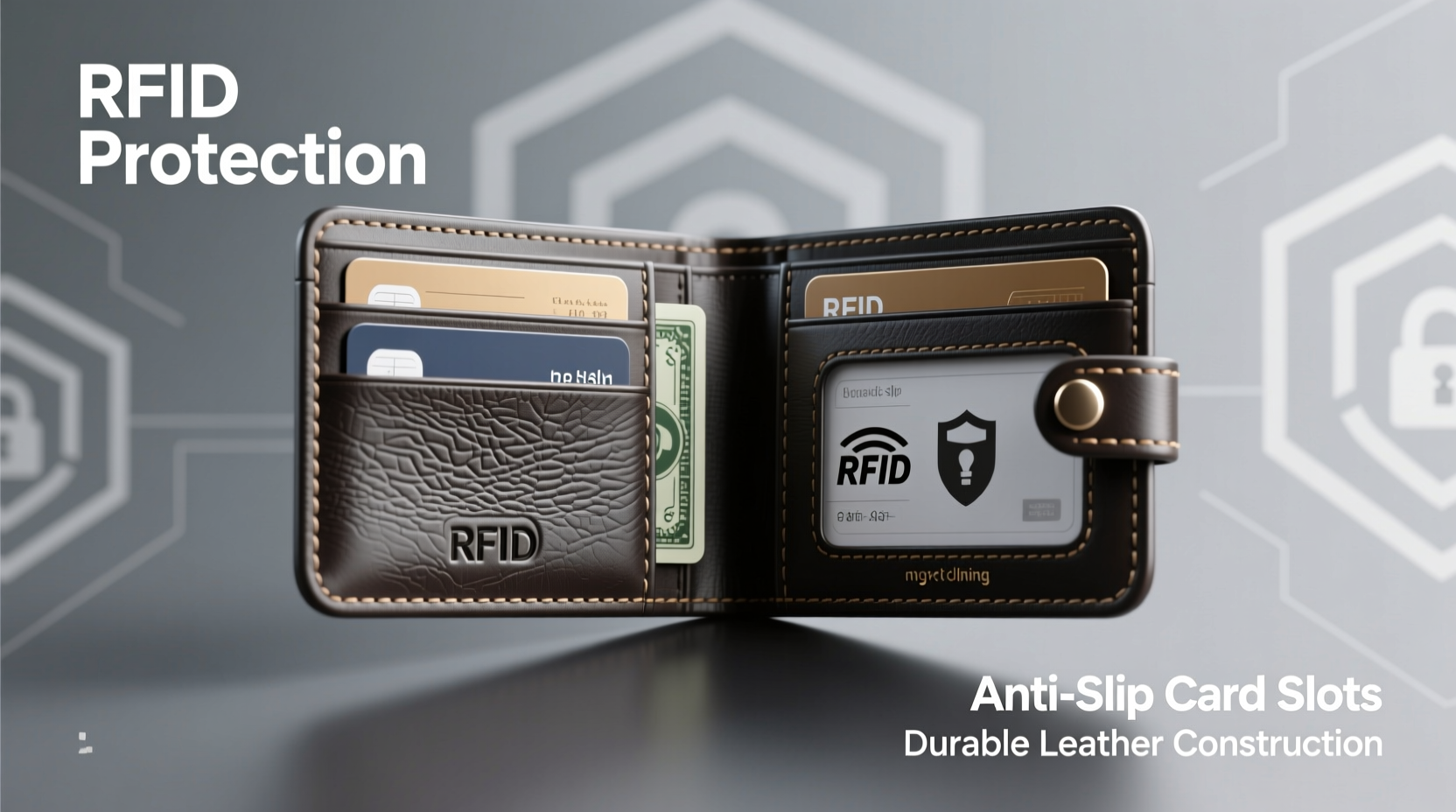
A secure wallet goes beyond holding cards and cash. It should actively help prevent unauthorized access, reduce wear and tear, and minimize exposure to digital skimming. Here are the essential features to look for:
- RFC-blocking technology: Radio-frequency identification (RFID) skimming allows thieves to wirelessly steal data from contactless cards. A wallet with built-in RFID shielding blocks these signals using metallic linings or Faraday cage designs.
- Organized card slots: Look for a layout that separates cards clearly—ideally 6–12 dedicated slots—to avoid bending and make retrieval easy without exposing other cards.
- Cash compartment with grip: A secure money pocket with a textured edge or snap closure prevents bills from slipping out during use.
- ID window with privacy shield: Transparent ID windows are convenient but can expose sensitive details. Opt for models with frosted covers or sliding shields.
- Minimalist profile: Thicker wallets attract attention and strain pockets. Slim, flat designs reduce bulk while still offering organized storage.
Choosing the Right Materials for Durability and Security
The material of your wallet affects its lifespan, resistance to tampering, and ability to shield against electronic theft. Common options vary widely in performance.
| Material | Pros | Cons |
|---|---|---|
| Genuine Leather | Durable, ages well, resists tearing | Can be bulky; requires conditioning |
| Full-Grain Leather | Highest quality, naturally water-resistant, develops patina | Premium price; heavier than synthetics |
| Synthetic (Polycarbonate/Polyester) | Lightweight, often includes RFID blocking, low cost | Less breathable; may degrade under UV exposure |
| Metal (Titanium/Aluminum) | Extremely durable, inherently RFID-proof, sleek | Limited flexibility; no cash storage; expensive |
| Canvas with Metal Lining | Balances comfort and security; lightweight RFID protection | May fray over time; less formal appearance |
For long-term use, full-grain leather paired with a discreet RFID liner offers the best balance of elegance, resilience, and protection. Avoid bonded leather, which peels and cracks within months of regular use.
“Your wallet is a daily-use item exposed to friction, moisture, and potential theft. Invest in materials that won’t compromise after six months.” — Daniel Reyes, Product Designer at Urban Armor Goods
Step-by-Step Guide to Selecting Your Ideal Wallet
Follow this practical sequence to ensure your new wallet meets both functional and security standards.
- Assess your daily carry: List the cards, cash, and items you actually use each day. Eliminate duplicates or rarely used cards.
- Determine preferred style: Decide between bi-fold, tri-fold, front-pocket, or cardholder formats based on pocket size and comfort.
- Verify RFID protection: Check product specifications for FCC-certified blocking layers. Test with a contactless card reader if possible.
- Check stitching quality: Double-stitched seams and reinforced edges resist splitting under stress.
- Evaluate closure mechanism: Zippers, snaps, or elastic bands add security but may slow access. Choose based on your environment (e.g., urban commuting vs. casual use).
- Test fit and retrieval: Simulate pulling out a card. Does it require removing the entire wallet? Is there resistance?
- Review return policy: Buy from brands offering trials or warranties, especially when investing over $50.
Real-Life Scenario: How One Commuter Avoided Identity Theft
Mark, a software engineer in Chicago, used a standard leather bi-fold wallet for years. After reading about RFID skimming at transit hubs, he upgraded to a slim titanium wallet with blocking technology. Two months later, while riding the subway, he noticed someone lingering too close behind him. Later that evening, his bank flagged a suspicious tap-to-pay attempt originating overseas. The transaction failed—his card’s embedded chip had been read, but because his wallet blocked repeated scanning, the thief couldn’t capture enough data to clone it successfully.
Though inconvenient, the alert confirmed his upgrade was justified. “I didn’t even know my card was vulnerable,” Mark said. “Now I recommend RFID protection to everyone who commutes.”
Safety Tips for Daily Use and Long-Term Protection
Even the most advanced wallet won’t protect you if used carelessly. Combine smart gear with smarter habits.
- Rotate cards regularly: Don’t keep all active cards in one wallet. Store backups at home in a fireproof safe.
- Monitor financial alerts: Enable instant notifications for transactions to catch fraud early.
- Avoid public Wi-Fi near payment devices: Some skimmers transmit stolen data via Bluetooth. Turn off NFC/Bluetooth on phones when not needed.
- Inspect for tampering: If your wallet feels thinner or has loose stitching, check whether internal shielding has shifted or degraded.
- Use virtual card numbers: Services like Apple Pay, Google Wallet, or bank-generated virtual cards add a layer of abstraction between your real account and physical use.
Frequently Asked Questions
Do all contactless cards need RFID protection?
Yes. Any card with a contactless symbol (four curved lines) transmits data via radio waves when powered by a nearby reader. While transactions require proximity, repeated scanning can harvest data over time, especially in crowded areas.
Can aluminum foil really block RFID signals?
Temporarily, yes—but it’s impractical and degrades quickly. Purpose-built wallets use layered metal alloys or carbon fiber weaves designed for consistent shielding without bulk.
How long does a secure wallet typically last?
A high-quality leather or metal wallet lasts 3–7 years with regular use. Synthetic models may need replacement every 18–24 months due to material fatigue.
Final Checklist Before You Buy
- ✅ RFID-blocking certification
- Look for independent testing labels or manufacturer guarantees.
- ✅ At least 6 organized card slots
- Prevents overlapping and damage to magnetic strips.
- ✅ Front-pocket friendly design
- Max width under 3.5 inches to fit comfortably.
- ✅ Durable closure or retention system
- Prevents accidental spillage when retrieving cards.
- ✅ Easy access without full exposure
- You should retrieve one card without showing the rest.
- ✅ Neutral color or discreet finish
- Avoid flashy logos or bright colors that draw attention.
Stay Protected, Stay Confident
Your wallet holds more than money—it holds access to your financial life. Choosing a secure multi card slot wallet isn't just about convenience; it's a proactive step toward safeguarding your identity and peace of mind. By prioritizing tested materials, intelligent design, and vigilant habits, you reduce risks without sacrificing ease of use. Whether you're navigating city streets, traveling abroad, or simply running errands, the right wallet becomes a silent guardian of your personal security.




 浙公网安备
33010002000092号
浙公网安备
33010002000092号 浙B2-20120091-4
Comments
No comments yet. Why don't you start the discussion?