
The holiday season brings joy, warmth, and tradition—but it also brings decisions with lasting environmental consequences. Among the most iconic traditions is the Christmas tree. For decades, families have debated real versus artificial trees, often overlooking a deeper layer: sustainability and ecological responsibility. Today, choosing a Christmas tree isn’t just about aesthetics or convenience; it’s an opportunity to support reforestation, protect biodiversity, and reduce carbon emissions.
With deforestation contributing to nearly 15% of global greenhouse gas emissions, every choice matters. A thoughtfully selected Christmas tree can become part of a larger solution—supporting local ecosystems, promoting native species growth, and even funding community-led reforestation projects. This guide explores how to make that choice wisely, balancing tradition with tangible environmental stewardship.
Understanding the Environmental Impact of Traditional Tree Options
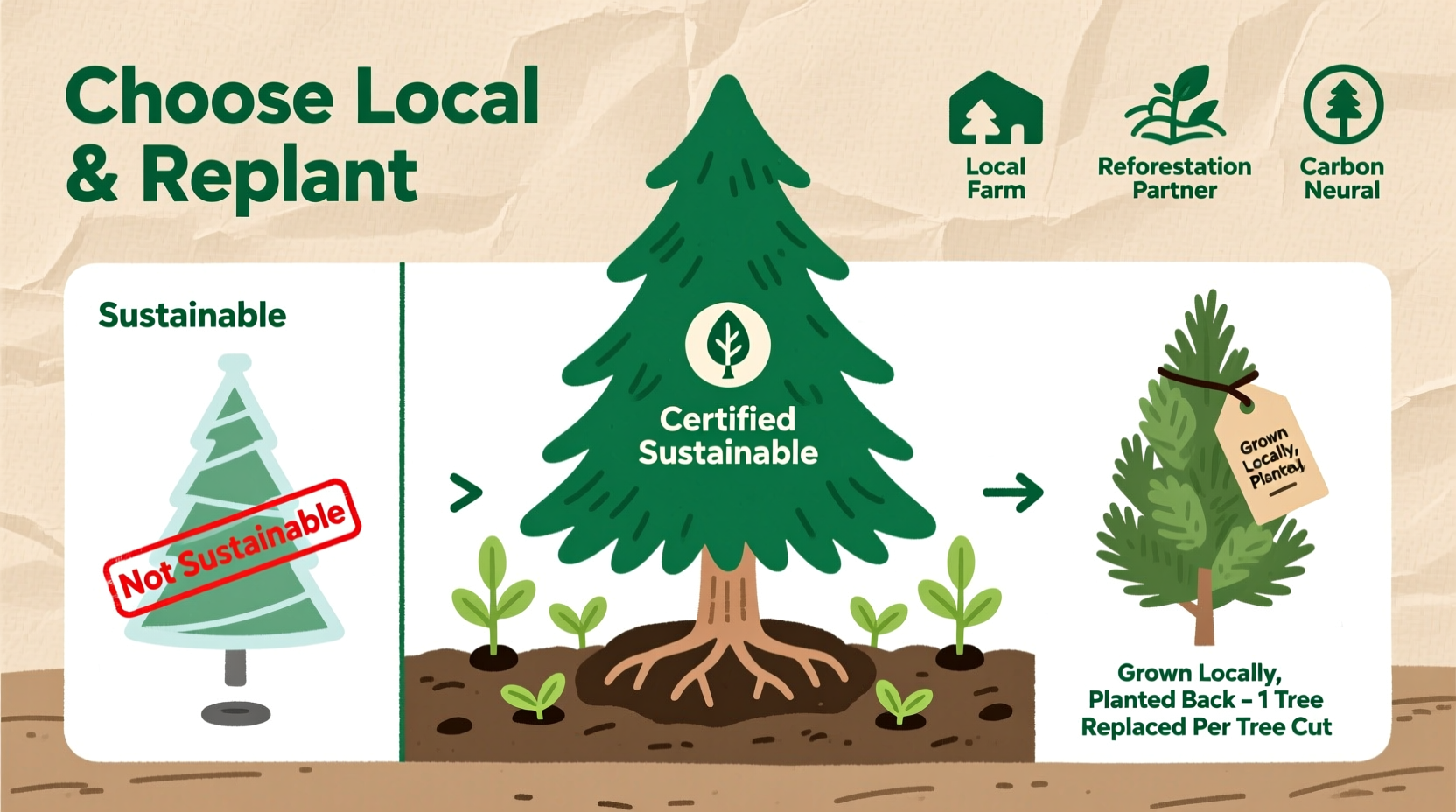
The classic debate between real and artificial trees has long dominated holiday conversations. But beneath the surface, each option carries complex ecological trade-offs.
Artificial trees, typically made from PVC plastic and metal, are often marketed as reusable and therefore “greener.” However, most are manufactured overseas using non-renewable resources and shipped thousands of miles, accumulating a significant carbon footprint before they even reach your home. Studies show that an artificial tree must be reused for at least 10–12 years to match the climate impact of purchasing a new real tree annually. Even then, disposal remains a problem—PVC does not biodegrade and releases toxic chemicals when incinerated.
Real cut trees are renewable, biodegradable, and typically grown on farms specifically for holiday use. While this sounds sustainable, many large-scale tree farms prioritize monoculture planting, heavy pesticide use, and long-distance transportation. When these trees are discarded after the holidays—often ending up in landfills—they decompose anaerobically and emit methane, a potent greenhouse gas.
In contrast, living trees planted post-holiday or sourced through reforestation programs offer a third path: one that gives back to the environment rather than merely extracting from it.
Choosing a Tree That Gives Back: Reforestation-Focused Alternatives
Sustainable Christmas tree selection goes beyond avoiding harm—it’s about creating positive impact. The most forward-thinking options actively contribute to restoring forests, enhancing soil health, and supporting local economies. Here are three viable models:
- Rented Living Trees: Some nurseries and eco-organizations now offer potted evergreens (like Norway spruce or white pine) that can be rented for the holiday season. After Christmas, the tree is collected and replanted in a local forest restoration project. These trees continue growing, sequestering carbon and stabilizing ecosystems.
- Adopt-a-Tree Programs: Nonprofits and conservation groups allow consumers to “adopt” a tree that will be planted in a designated reforestation zone. In return, you receive a symbolic ornament or certificate. Your purchase funds sapling cultivation, site preparation, and long-term maintenance.
- Locally Grown, Regenerative Farms: Seek out tree farms that integrate agroforestry principles—planting native species, rotating crops, avoiding synthetic inputs, and dedicating portions of land to habitat restoration. Some donate a percentage of sales to reforest degraded areas.
These alternatives shift the paradigm from consumption to contribution. Instead of viewing the tree as a temporary decoration, it becomes a living investment in future forests.
How Reforestation Integrates with Holiday Traditions
Reforestation-focused tree programs often partner with regional conservation authorities, Indigenous land stewards, or watershed protection initiatives. For example, a family in Oregon might rent a Douglas fir that, after the holidays, is replanted along a riverbank to prevent erosion and restore salmon habitats. In Minnesota, donated funds could support the regeneration of red pine stands lost to wildfires.
Such programs frequently prioritize native species, which are better adapted to local climates, require less irrigation, and support pollinators and wildlife. By aligning your holiday choice with regional ecological needs, you help rebuild resilient, biodiverse landscapes.
“Every tree planted today is a legacy for the next generation. When holidays become acts of restoration, we transform tradition into transformation.” — Dr. Lena Torres, Forest Ecologist, University of British Columbia
Step-by-Step Guide to Selecting a High-Impact Sustainable Tree
Making a meaningful choice requires research and intention. Follow this timeline to ensure your decision supports both celebration and sustainability.
- October: Define Your Priorities
Decide whether you want a living tree for replanting, a cut tree from a regenerative farm, or to fund a tree planting elsewhere. Consider space, climate, and post-holiday logistics. - Early November: Research Local Programs
Search for “rent a living Christmas tree [your city]” or “reforestation holiday program near me.” Check websites of local parks departments, botanical gardens, or environmental nonprofits. - Late November: Contact Growers and Verify Practices
Ask questions: Are pesticides used? Is the tree native? What happens after the holidays? Request transparency about sourcing and replanting plans. - First Week of December: Reserve or Purchase
Many rental and adoption programs have limited availability. Book early to secure your option. - Post-Holiday: Participate in Replanting (Optional)
Some organizations host community planting events in spring. Volunteer to see where your tree ends up—this can be a powerful family experience.
Comparison: Sustainability Factors Across Tree Types
| Tree Type | Carbon Footprint | Reforestation Potential | End-of-Life Impact |
|---|---|---|---|
| Artificial (PVC) | High (manufacturing + shipping) | None | Non-biodegradable; landfill accumulation |
| Cut Tree (Conventional Farm) | Moderate (transport + farming inputs) | Low (unless farm donates land) | High if landfilled; low if mulched or composted |
| Cut Tree (Regenerative Farm) | Low-Moderate | Medium (supports soil health, biodiversity) | Low (biodegradable; often locally composted) |
| Rented Living Tree | Low (reused container, replanted) | High (direct reforestation) | Positive (tree continues growing) |
| Adopted Tree (Donation-Based) | Very Low (no physical product shipped) | High (funds direct planting efforts) | Positive (new tree planted in ecosystem need zone) |
Mini Case Study: The Green Family’s Reforestation Holiday
The Green family in Portland, Oregon, had always bought cut trees from a roadside lot. In 2022, their daughter came home from school with a project on climate change and asked why they couldn’t do something more meaningful. Inspired, they researched local options and discovered “Evergreen Futures,” a nonprofit that partners with the city’s urban forestry division.
They opted for a rented potted noble fir, which stayed in their sunroom for four weeks. After New Year’s, the organization picked it up and transported it to a burn zone in the Cascade foothills, where it was planted alongside hundreds of others to stabilize soil after a wildfire. The Greens received a GPS coordinate and photo of their tree six months later.
“It changed our whole holiday,” said Maria Green. “We weren’t just celebrating—we were participating in healing the land. Now our kids look forward to visiting ‘their’ forest every summer.”
Checklist: Your Sustainable Tree Selection Plan
- ☐ Determine whether you want a living, cut, or donation-based tree
- ☐ Search for local reforestation or rental programs by late October
- ☐ Ask growers about pesticide use, native species, and replanting plans
- ☐ Confirm pickup, delivery, or drop-off logistics for rented trees
- ☐ Plan for proper indoor care (avoid heat sources, water daily)
- ☐ Arrange composting or recycling for cut trees—or better, confirm they’ll be used for habitat logs or mulch
- ☐ Share your choice with family to inspire broader awareness
Frequently Asked Questions
Can I plant a cut Christmas tree in my yard after the holidays?
No. Once a tree is cut, its root system is destroyed, making replanting impossible. Only potted, living trees with intact roots can be successfully transplanted. Even then, timing and species matter—evergreens should be planted during dormancy in early spring, not winter.
Are “eco-friendly” artificial trees a good alternative?
Not really. While some brands advertise recyclable materials or solar-powered lights, most still rely on petrochemicals and global supply chains. Their lifespan rarely exceeds 10 years, and recycling facilities for composite tree materials are extremely rare. The most sustainable artificial tree is one already in your home—reusing what exists avoids new production entirely.
How much CO₂ does a single reforested tree offset?
A mature evergreen can absorb approximately 48 pounds of CO₂ per year. Over 40 years, that’s nearly one ton. While individual impact varies by species and location, collective participation in reforestation multiplies the effect. One study estimates that global reforestation could remove two-thirds of human-made carbon emissions from the atmosphere—if done at scale.
Conclusion: Turn Tradition Into Restoration
Choosing a Christmas tree is no longer just a seasonal chore—it’s a quiet act of environmental citizenship. By selecting a sustainable option tied to reforestation, you align holiday spirit with ecological renewal. Whether you rent a living tree, support a regenerative farm, or fund a planting initiative, your decision contributes to cleaner air, healthier soils, and restored habitats.
This year, let your tree stand for more than festive cheer. Let it symbolize commitment—to local ecosystems, to climate resilience, and to intergenerational responsibility. The forests of tomorrow begin with choices made today.




 浙公网安备
33010002000092号
浙公网安备
33010002000092号 浙B2-20120091-4
Comments
No comments yet. Why don't you start the discussion?