
Selecting the right iPhone case goes beyond aesthetics or brand loyalty. A well-designed case protects your device from drops, scratches, and daily wear while ensuring full access to every button, port, and camera lens. The key lies in precision—specifically, the accuracy of the cutouts. Poorly aligned openings can make charging frustrating, muffle sound quality, or block the camera entirely. For a seamless user experience, perfect cutouts are non-negotiable. This guide walks you through what to look for, how to test quality, and which features matter most when choosing a case that balances accessibility and defense.
Why Cutout Precision Matters More Than You Think
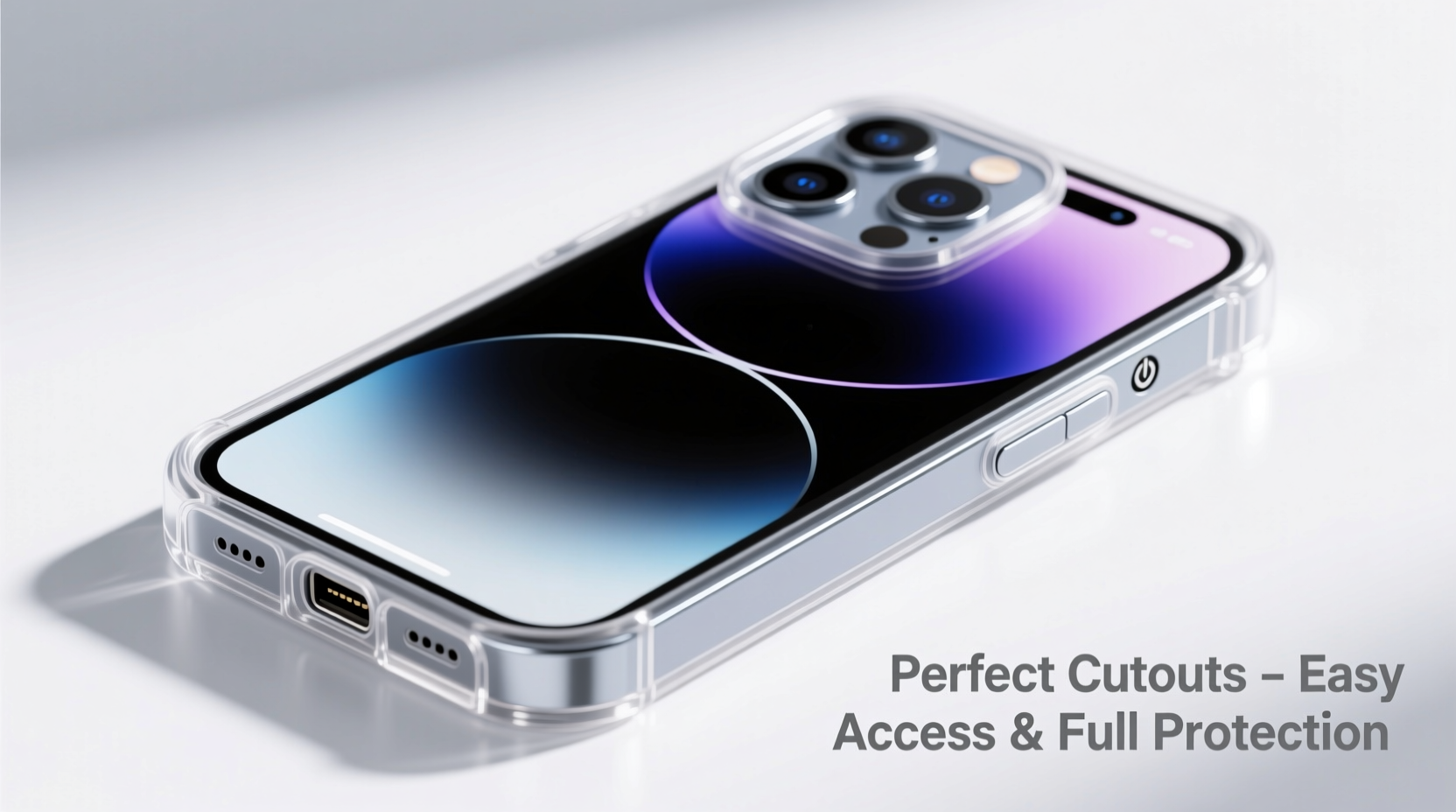
Cutouts may seem like minor design details, but their placement directly impacts usability. Misaligned speaker holes reduce audio clarity. Overly tight charging ports prevent certain cables from fitting. Raised camera rings that don’t match your phone’s lens bump cause smudges and scratches. Even slightly offset volume buttons require extra pressure, leading to premature wear.
Apple designs each iPhone with exact dimensions and component placements. High-quality case manufacturers replicate these specs using precise molds. Lower-tier brands often use generic templates, resulting in inconsistent fit across models. This is especially common with third-party cases marketed for multiple iPhone versions.
Key Features of a Case with Perfect Cutouts
A great case doesn’t just cover your phone—it enhances interaction. Look for these structural elements when evaluating cutout quality:
- Laser-precise openings: Charging port, speakers, microphone, and SIM tray should be fully exposed without excess space around them.
- Raised bezels around screen and camera: These protect glass surfaces when placed face-down and ensure lenses aren’t obstructed by debris.
- Tactile button covers: Volume and power buttons should have responsive, molded inserts that mimic the original feel.
- Microphone clearance: Often overlooked, blocked mic holes degrade call quality and voice recording performance.
- Speaker alignment: Cutouts must align exactly with both bottom speakers on newer iPhones to preserve stereo sound balance.
“Even a 0.5mm deviation in cutout placement can affect long-term usability. Precision engineering separates premium cases from mass-market ones.” — David Lin, Product Designer at Mobile Armor Labs
Step-by-Step Guide to Evaluating Case Fit Before Purchase
You don’t need to buy a case to know if it fits well. Follow this process to assess potential options confidently:
- Check compatibility details: Confirm the product listing specifies your exact iPhone model, including size and release year.
- Read verified buyer reviews: Look for mentions of “tight fit,” “perfect alignment,” or complaints about blocked ports.
- Examine product photos closely: Zoom in on images showing the edges, buttons, and camera module. Reputable sellers provide close-ups of cutouts.
- Review return policy: Buy from retailers offering returns so you can test the fit in person.
- Test upon arrival: Plug in your cable, press all buttons, play audio, and inspect camera visibility before committing.
Material Choices That Impact Cutout Accuracy
The materials used influence both protection and precision. Different constructions behave differently over time, affecting how well cutouts maintain their shape.
| Material | Cutout Stability | Durability | Best For |
|---|---|---|---|
| Polycarbonate (Hard Plastic) | High – maintains rigid shape | Resists scratches, may crack on impact | Precision fit, slim profile users |
| TPU (Flexible Rubber) | Moderate – can stretch over time | Shock-absorbent, prone to yellowing | Dropping-prone users needing grip |
| Hybrid (Plastic + Rubber) | Very High – combines rigidity and cushioning | Balanced protection and longevity | Most users seeking optimal balance |
| Leather/Fabric | Variable – depends on internal frame | Elegant but less impact-resistant | Style-focused buyers who prioritize looks |
While flexible TPU offers excellent shock absorption, cheaper variants may warp slightly after months of use, causing misalignment. Rigid polycarbonate holds its form better but lacks impact dispersion. Hybrid cases typically offer the best compromise, with internal metal or plastic frames ensuring cutouts stay true over time.
Mini Case Study: Sarah’s Charging Port Problem
Sarah bought a budget-friendly iPhone 14 case online. At first, it looked sleek and fit snugly. But within two weeks, she noticed her Lightning cable wouldn’t plug in fully. She assumed the port was dirty and cleaned it repeatedly. Eventually, she tried a different case—and her cable slid in effortlessly. Upon comparison, she realized the original case had a slightly recessed cutout that didn’t accommodate the connector’s depth. She returned the case and switched to a reputable brand with verified cutout precision. Since then, she checks all future purchases against her charging cable before keeping them.
This scenario is more common than many realize. A small manufacturing variance can create persistent inconvenience, underscoring the importance of testing real-world function—not just appearance.
Checklist: How to Choose a Case with Perfect Cutouts
Before finalizing your purchase, go through this checklist to ensure optimal fit and function:
- ✅ Confirmed compatible with your exact iPhone model (e.g., iPhone 15 Pro Max, not just “iPhone 15”)
- ✅ Verified laser-cut openings for all ports and sensors
- ✅ Raised edges above screen and camera lens
- ✅ Responsive, tactile button covers (not flat rubber pads)
- ✅ No obstruction of speaker grilles or microphones
- ✅ Positive customer feedback regarding fit and durability
- ✅ Manufacturer provides detailed dimensional specifications
- ✅ Comes with a satisfaction guarantee or return option
Frequently Asked Questions
Can a case with slightly off cutouts damage my iPhone?
Not immediately, but long-term issues may arise. A tight charging port can wear down the connector pins. Blocked vents trap heat. Camera obstructions lead to lens scratches. While rare, cumulative stress from poor fit can contribute to hardware degradation.
Do MagSafe-compatible cases have different cutout requirements?
Yes. MagSafe cases must include a precisely centered circular opening for the magnetic array inside the iPhone. Misalignment reduces charging efficiency and accessory attachment strength. Look for Apple-certified MagSafe cases to ensure correct internal spacing and cutout positioning.
Are expensive cases always better for cutout accuracy?
Not always, but premium brands invest more in mold accuracy and quality control. Apple’s own silicone and leather cases, Spigen, OtterBox, and UAG consistently score high in independent fit tests. However, some mid-range brands also deliver excellent precision—check reviews and return policies carefully.
Final Thoughts: Protection Should Never Compromise Function
Your iPhone is designed for intuitive, effortless use. A case should preserve that experience, not hinder it. Perfect cutouts are the foundation of functional protection—allowing full access to every feature while shielding against damage. Whether you prioritize minimalism, rugged durability, or wireless charging convenience, never compromise on precision. Take the time to research, compare, and test. Your daily interactions with your phone depend on it.




 浙公网安备
33010002000092号
浙公网安备
33010002000092号 浙B2-20120091-4
Comments
No comments yet. Why don't you start the discussion?