
Selecting a coat isn’t just about style or silhouette—it’s an investment in comfort, longevity, and performance. At the heart of every exceptional coat lies its fabric. Textured coat fabrics add depth, visual interest, and tactile appeal, but not all textures are created equal. Choosing the right one requires understanding fiber composition, construction methods, and real-world functionality. With the right knowledge, you can move past marketing claims and assess fabric quality with confidence.
Understand the Role of Fabric Texture in Coats
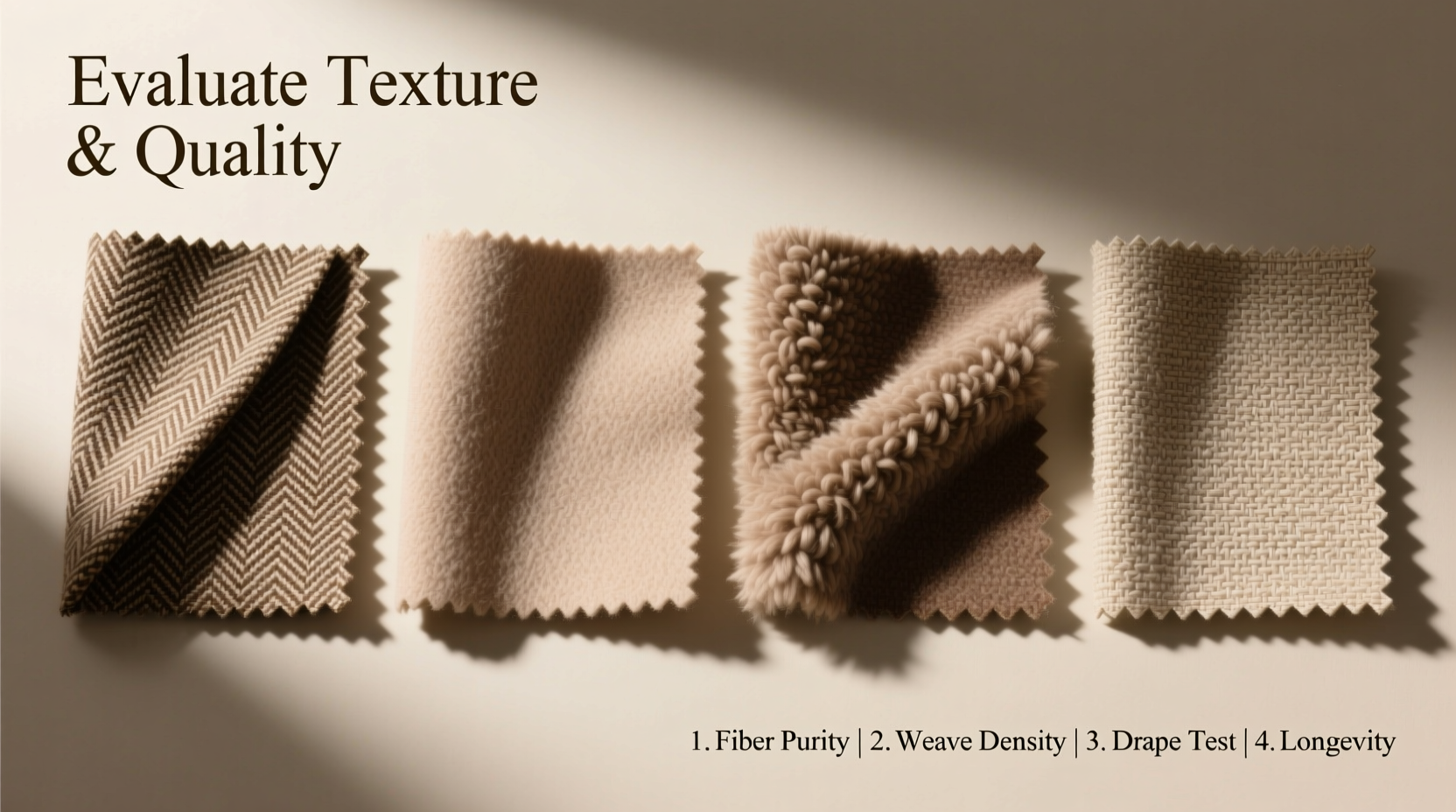
Texture in coat fabrics refers to the surface feel and visual dimension created by weave, knit, or finish. Unlike flat weaves like poplin or satin, textured fabrics—such as herringbone, tweed, bouclé, corduroy, or melton—offer structure, warmth, and character. These surfaces interact differently with light, create distinct silhouettes, and influence both drape and durability.
A well-executed texture enhances insulation and hides wear, making it ideal for outerwear. However, poorly constructed textured fabrics may pill quickly, lose shape, or feel stiff and uncomfortable. The key is recognizing which textures suit your climate, lifestyle, and aesthetic—and then evaluating whether the fabric delivers on quality.
Analyze Fiber Composition and Blends
The foundation of any fabric is its fiber. Natural fibers like wool, cashmere, alpaca, and cotton offer breathability, warmth, and luxurious hand-feel. Synthetic fibers such as polyester, nylon, or acrylic contribute strength, wrinkle resistance, and affordability. Many textured coats use blends to balance performance and cost.
Wool remains the gold standard for textured outerwear. Worsted wool provides a smooth yet structured base for patterns like herringbone or birdseye. Tweeds often blend wool with small percentages of nylon or silk for added resilience or luster. Be cautious of high synthetic content (over 30%) in textured fabrics; while durable, they may trap heat, lack breathability, and degrade in appearance after repeated wear.
“Texture without substance is just surface noise. A great fabric must perform as well as it looks.” — Julian Reed, Textile Designer & Outerwear Consultant
Fiber Quality Indicators to Watch For
- Wool Grade: Look for terms like “super 100s” or higher—this indicates finer, softer fibers. Avoid vague labels like “wool blend” without percentages.
- Cashmere Content: Genuine cashmere will be labeled with at least 95% purity. Even 10–15% blended into wool significantly improves softness.
- Synthetic Use: Up to 10–15% polyester in wool can enhance durability without sacrificing feel. Beyond that, expect reduced breathability.
Evaluate Weave and Construction Techniques
The way fibers are woven determines the fabric’s texture, density, and resilience. Common textured weaves include:
| Weave Type | Texture Characteristics | Durability | Ideal Use Case |
|---|---|---|---|
| Herringbone | Zig-zag pattern, subtle ridge | High | Trench coats, tailored overcoats |
| Tweed | Rough, nubby surface, often flecked | Very High | Countryside wear, autumn jackets |
| Bouclé | Looped, curly yarns, highly tactile | Moderate | Fashion coats, statement pieces |
| Wool Melton | Dense, felt-like, no visible weave | Very High | Military-style coats, winter wear |
| Corduroy | Raised wales, ribbed surface | Moderate to High | Casual coats, vintage styles |
Density matters. Hold the fabric up to the light—if you see pinpricks of light through the weave, it may lack wind resistance and warmth. A tightly woven or heavily fulled fabric like melton resists weather better than loosely spun bouclé, though the latter offers more visual drama.
Conduct a Hands-On Quality Assessment
Never rely solely on product descriptions. When possible, inspect the fabric in person using a systematic approach.
- Touch Test: Glide your palm across the surface. It should feel substantial, even, and free of thin spots or snags.
- Pull Test: Gently stretch a seam allowance or inside edge. High-quality fabric rebounds without distortion.
- Weight Check: Heavier fabrics generally indicate denser construction. A premium wool coat typically weighs between 1.2–1.8 kg depending on length.
- Lint Inspection: Rub the fabric lightly. If pills form immediately, the yarn twist is weak or fibers are short-staple.
- Smell Test: Authentic wool has a faint lanolin scent. Chemical odors suggest heavy processing or low-grade material.
Real Example: Evaluating a Herringbone Wool Overcoat
Sophie was shopping for a winter coat and found two nearly identical herringbone overcoats—one priced at $180, the other at $420. The cheaper option looked similar online, but in-store, she noticed differences. The $180 coat used a loose weave with visible gaps, a scratchy hand-feel, and a label listing “60% polyester, 40% wool.” The pricier version was 100% virgin wool, heavier, and had a tighter, more defined zig-zag pattern. After six months of regular use, the first began to pill at the cuffs and collar, while the second retained its shape and richness. Sophie realized that texture alone wasn’t enough—the integrity of materials made the difference.
Follow a Step-by-Step Selection Checklist
To ensure you’re choosing a high-quality textured coat fabric, follow this practical checklist before purchasing:
- 1. Read the Label Carefully
- Identify exact fiber percentages. Prioritize natural fibers or balanced blends.
- 2. Assess the Drape and Structure
- Does the fabric hang with authority? It should hold shape without stiffness.
- 3. Inspect for Consistency
- Walk around the garment. Does the texture look uniform from all angles?
- 4. Check the Reverse Side
- Flip the fabric. A quality textile will have a clean back—no loose threads or uneven dye.
- 5. Evaluate Seasonal Suitability
- Thicker textures like tweed or melton excel in cold weather. Lighter weaves work for transitional seasons.
- 6. Consider Maintenance Needs
- Some textured fabrics require dry cleaning only. Ask yourself if that fits your routine.
Frequently Asked Questions
Can I machine wash a textured wool coat?
No. Most high-quality wool and textured coats should be dry cleaned or professionally pressed. Machine washing risks felting, shrinkage, and texture loss. Always follow the care label.
Why does my textured coat start pilling after a few weeks?
Pilling usually results from weak fiber twist or friction in high-rub areas (like underarms). High-quality fabrics pill less because they use longer staple fibers and tighter spinning. Gently remove pills with a fabric shaver—don’t pull them.
Is a thicker fabric always better for a coat?
Not necessarily. Thickness contributes to warmth, but poor finishing or low fiber quality can make thick fabric feel clunky. Balance weight with drape, softness, and intended use. A well-constructed mid-weight fabric often performs better than a heavy, low-grade alternative.
Final Thoughts: Confidence Comes from Knowledge
Choosing a high-quality textured coat fabric doesn’t require a degree in textiles—but it does demand attention. By learning to read labels, test fabric physically, and understand the relationship between weave, fiber, and function, you gain the power to make informed decisions. Avoid being swayed by surface aesthetics alone. Instead, seek garments where texture is backed by integrity.
A coat should last for years, not just survive a season. When you invest in thoughtful craftsmanship and superior materials, you’re not just buying clothing—you’re curating a wardrobe that stands the test of time, weather, and wear.




 浙公网安备
33010002000092号
浙公网安备
33010002000092号 浙B2-20120091-4
Comments
No comments yet. Why don't you start the discussion?