
A phone sleeve may seem like a minor accessory, but it plays a crucial role in protecting one of your most valuable everyday devices. With constant exposure to drops, scratches, moisture, and friction, your smartphone needs reliable defense — and a well-chosen, properly maintained sleeve delivers just that. However, not all sleeves are created equal, and even the best ones degrade quickly without proper care. Choosing the right material, fit, and design is only half the battle. The other half lies in consistent maintenance and smart usage habits.
This guide walks you through the essential considerations for selecting a durable phone sleeve and maintaining it over time. Whether you're using a minimalist neoprene pouch or a rugged hybrid case-sleeve combo, these insights will help extend its lifespan and keep your device protected for years.
Selecting the Right Material for Durability
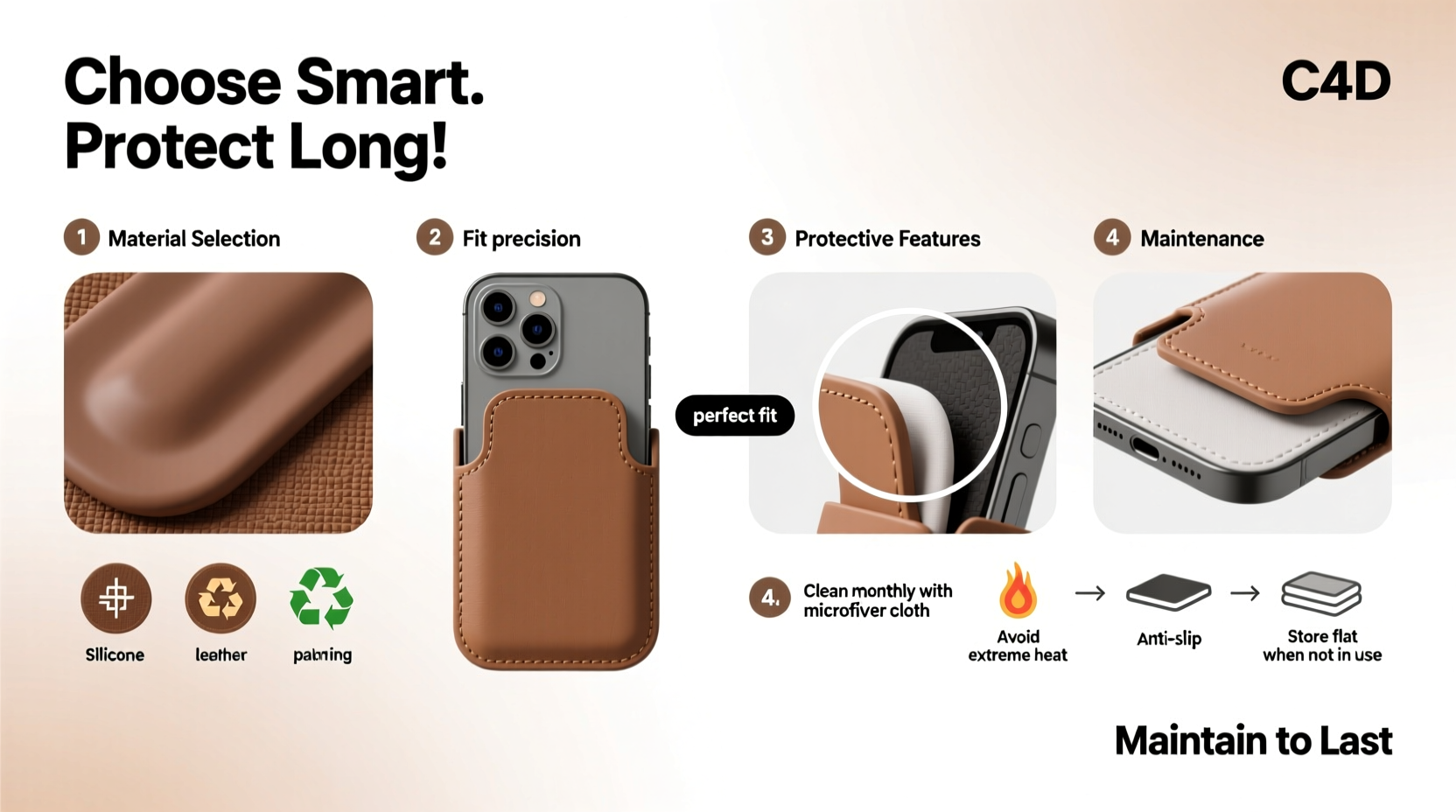
The foundation of a long-lasting phone sleeve begins with the material. Different fabrics and synthetics offer varying levels of protection, flexibility, and resistance to wear. Understanding their strengths and weaknesses helps you make an informed decision based on your lifestyle and environment.
| Material | Durability | Water Resistance | Best For |
|---|---|---|---|
| Neoprene | High | Moderate | Daily commuters, light impact protection |
| Polycarbonate + Silicone | Very High | High | Active users, outdoor environments |
| Felt or Wool Blend | Moderate | Low | Indoor use, style-focused users |
| Nylon (Cordura or Ballistic) | Exceptional | High (if coated) | Travelers, rugged conditions |
| Leather (Full-grain) | High (ages well) | Moderate (with conditioning) | Professional settings, long-term investment |
For maximum longevity, prioritize materials engineered for abrasion resistance and shock absorption. Neoprene remains popular due to its lightweight cushioning, while ballistic nylon offers near-military-grade toughness. Leather develops a patina over time but requires more upkeep. Avoid thin polyester blends or uncoated canvas if frequent use is expected.
Fit and Functionality: Matching Sleeve to Usage
A perfect fit isn’t just about aesthetics; it’s critical for protection. A loose sleeve allows your phone to shift during movement, increasing the risk of internal scratches and reducing shock absorption efficiency. Conversely, a too-tight sleeve can strain zippers or stress fabric fibers, leading to premature tearing.
When selecting a sleeve, ensure it accommodates your exact phone model — including any existing case. Measure your device and compare it to the manufacturer’s dimensions. Some sleeves are designed specifically for bare phones, while others include extra padding for cased devices.
- Zipper vs. Open-Top: Zippered sleeves offer better security and dust protection but may wear out faster if low-quality. Opt for YKK zippers when possible.
- Interior Lining: Soft microfiber or fleece lining prevents screen scratches. Avoid rough or abrasive interiors.
- Port Access: If you frequently charge on the go, consider a sleeve with a charging port cutout to minimize removal.
- External Pockets: Useful for cards or earbuds, but additional seams increase potential failure points.
“Many people overlook ergonomics, but a poorly designed sleeve can cause more wear than no protection at all.” — Jordan Lin, Product Design Engineer at UrbanGadget Labs
Step-by-Step Guide to Daily Maintenance
Durability isn’t just about build quality — it’s also shaped by how you treat the sleeve every day. Follow this routine to maximize its lifespan:
- Inspect Weekly: Check for fraying threads, zipper resistance, or interior scuffs. Early detection prevents small issues from becoming major failures.
- Clean Monthly: Wipe down the exterior with a damp cloth. For fabric sleeves, use mild soap and water. Never submerge electronic accessories unless specified as waterproof.
- Remove Debris: Empty crumbs, lint, or sand from inside the sleeve. These particles act like sandpaper against both the sleeve and your phone.
- Air Dry After Cleaning: Always let the sleeve dry completely before reuse. Trapped moisture breeds mold and weakens adhesives.
- Rotate If Possible: Using multiple sleeves alternately reduces continuous strain on a single unit.
For leather sleeves, apply a conditioner every 6–8 weeks to prevent cracking. Nylon and polycarbonate models benefit from occasional wipe-downs with alcohol-free disinfectant wipes to remove oils and grime.
Common Mistakes That Shorten Sleeve Life
Even high-end sleeves fail prematurely when subjected to avoidable abuse. Recognizing these habits can save you money and frustration:
- Forcing the Phone In: Jamming your phone damages both the lining and the opening seam.
- Exposure to Extreme Temperatures: Leaving a sleeve in a hot car or freezing outdoors degrades polymers and adhesives.
- Using Harsh Cleaners: Bleach, ammonia, or abrasive scrubbers break down fabric integrity.
- Ignoring Moisture: Sweat, rain, or spills left untreated lead to odor, staining, and structural weakening.
- Overloading Pockets: Storing keys or coins in the same compartment causes micro-abrasions over time.
Real-World Example: How One Traveler Extended His Sleeve’s Life by 3 Years
Mark T., a freelance photographer who travels across Southeast Asia, relied on a nylon-canvas hybrid phone sleeve for five years — far beyond the average 12–18 month lifespan. He attributes its longevity to three habits: rotating between two sleeves, cleaning after each trip, and storing them in padded compartments away from camera gear. “I noticed early on that tossing everything into one bag caused zipper fatigue,” he explains. “Once I started treating the sleeve like my lenses — with deliberate care — it lasted much longer.”
His approach highlights a key principle: durability is cumulative. Small, consistent actions compound into significant extensions in product life.
Essential Care Checklist
To simplify maintenance, follow this quick-reference checklist monthly:
- ✅ Inspect for tears, loose threads, or zipper issues
- ✅ Wipe exterior with a damp, soapy cloth
- ✅ Clean interior with a dry microfiber swab
- ✅ Ensure full air drying before next use
- ✅ Apply leather conditioner (if applicable)
- ✅ Store in a cool, dry place away from direct sunlight
- ✅ Use a desiccant pack during long-term storage
Frequently Asked Questions
Can I machine wash my phone sleeve?
Only if the manufacturer explicitly states it's safe. Most sleeves, especially those with foam padding or electronic components (like magnetic closures), should be hand-washed. Machine agitation can collapse padding and weaken seams.
How often should I replace my phone sleeve?
Replace it when you notice persistent cracks, broken zippers, or reduced cushioning. With proper care, a quality sleeve lasts 2–4 years. Signs of internal wear are often invisible — if your phone feels less secure, it’s time for a new one.
Are expensive sleeves worth the investment?
For frequent users or those in demanding environments, yes. Premium sleeves use superior materials, better construction, and thoughtful design. They may cost more upfront but reduce replacement frequency and protect costly smartphones more effectively.
Final Thoughts
Choosing and maintaining a phone sleeve is more than a convenience — it’s an investment in the safety and longevity of your device. The right sleeve combines resilient materials, precise fit, and functional design. But even the best product fails without mindful care. By inspecting regularly, cleaning gently, and avoiding common pitfalls, you ensure your sleeve performs reliably for years.




 浙公网安备
33010002000092号
浙公网安备
33010002000092号 浙B2-20120091-4
Comments
No comments yet. Why don't you start the discussion?