
Coasters are more than just functional accessories—they’re subtle design elements that can elevate the look and feel of any room. Often overlooked, these small but impactful items contribute to both protection and personality in your living spaces. When chosen and styled intentionally, coasters can reinforce your aesthetic, add texture, and even serve as conversation starters. Whether you're furnishing a minimalist loft or a cozy cottage, selecting the right coasters is an easy way to refine your decor.
Understanding Coaster Materials and Their Aesthetic Impact
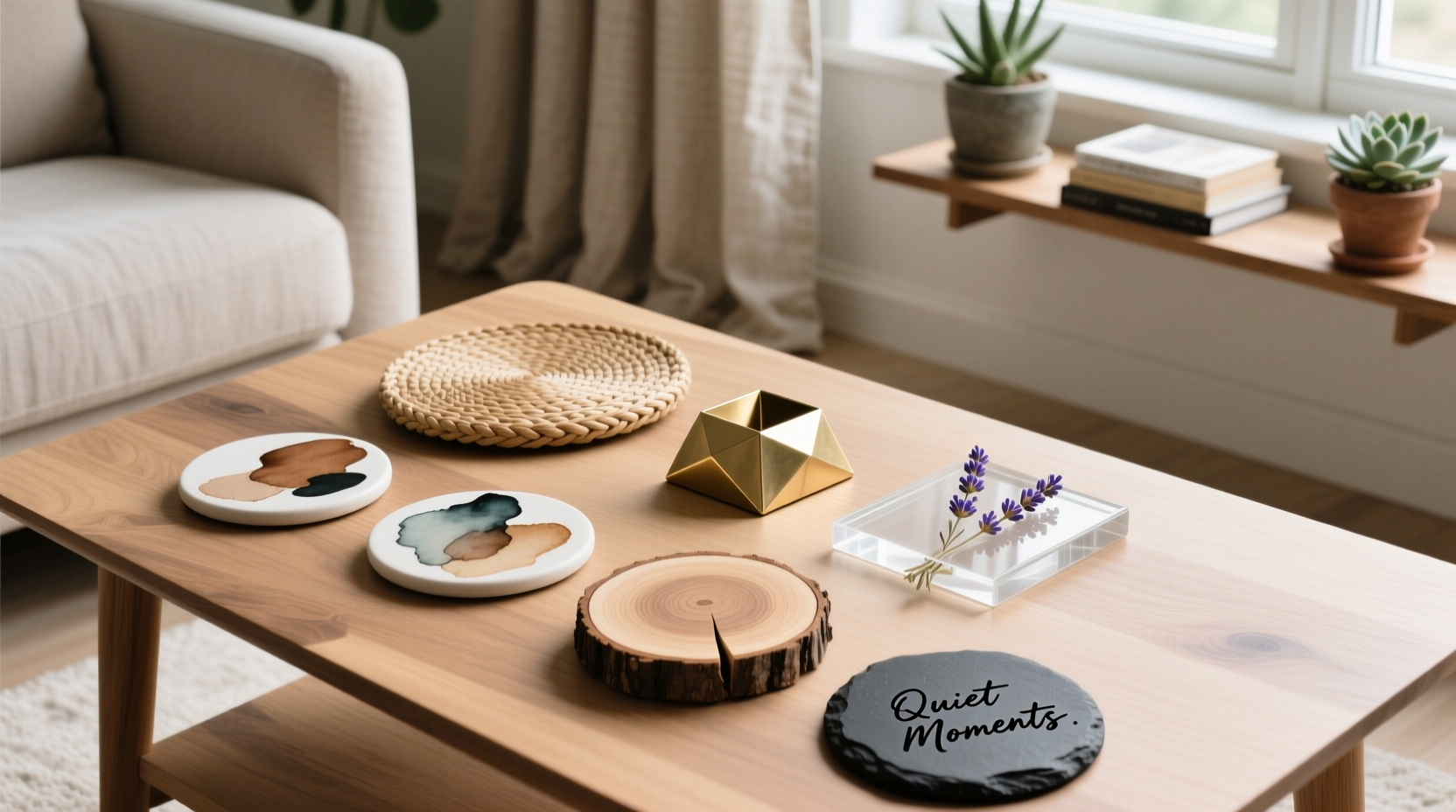
The material of a coaster does more than determine its durability—it influences the overall tone of your space. Different textures and finishes evoke distinct moods, making material selection a critical step in aligning coasters with your interior style.
- Cork: Soft, natural, and eco-friendly, cork brings warmth and organic charm. Ideal for rustic, farmhouse, or Scandinavian interiors.
- Marble and Stone: Luxurious and cool to the touch, these materials suit modern, contemporary, or glam settings. They pair well with metallic accents and glass surfaces.
- Ceramic: Versatile and often customizable, ceramic coasters can be painted, glazed, or patterned. Great for traditional, eclectic, or bohemian spaces.
- Felt and Fabric: These offer soft contrast on hard surfaces. Use them in reading nooks, children’s rooms, or playful environments where color and comfort matter.
- Metal (Copper, Brass, Stainless Steel): Sleek and industrial, metal coasters work well in urban lofts or modern kitchens. Be cautious with condensation to avoid water rings.
- Recycled or Novelty Materials: From repurposed wood slices to vintage book pages sealed in resin—these make bold stylistic statements in curated, artistic homes.
Color and Pattern Coordination with Your Decor
Color plays a pivotal role in cohesion. A coaster should either blend seamlessly into your palette or act as a deliberate accent piece. Consider the 60-30-10 rule of interior design: 60% dominant color, 30% secondary, and 10% accent. Coasters typically fall into the 10% category unless used in a thematic set.
For neutral rooms—think beige, gray, or white—introduce color through coasters. A vibrant turquoise ceramic set or a bright yellow felt square adds life without overwhelming. In boldly colored rooms, opt for coasters in a complementary neutral or a tonal shade to avoid visual clutter.
Patterns require extra attention. Geometric prints suit mid-century modern or art deco themes. Florals and botanicals enhance cottagecore or shabby chic aesthetics. Avoid overly busy patterns unless they echo other elements in the room, such as throw pillows or artwork.
“Small accessories like coasters are the punctuation marks of a room—they don’t need to shout, but they must speak the same design language.” — Lena Torres, Interior Stylist & Author of *Everyday Elegance*
Choosing Coasters Based on Room Function and Style
Different rooms demand different coaster strategies. What works in a formal dining room may feel out of place in a sunroom or home office.
| Room | Recommended Material | Design Approach | Special Considerations |
|---|---|---|---|
| Living Room | Ceramic, Felt, Wood | Stylish, decorative sets; seasonal rotation possible | Pair with coffee table books and trays for display |
| Dining Room | Marble, Metal, Cork | Functional yet elegant; consider stackable designs | Ensure non-slip base to protect table finish |
| Kitchen Island | Silicone, Bamboo, Recycled Glass | Durable and easy to clean; fun patterns welcome | Washable options preferred for high use |
| Bedroom Nightstand | Felt, Leather, Ceramic | Soft, quiet materials; soothing colors | Avoid noisy metals; prioritize comfort |
| Home Office | Leather, Felt, Minimalist Designs | Professional, streamlined look | Match desk accessories for cohesion |
Step-by-Step Guide to Styling Coasters for Maximum Impact
Styling coasters goes beyond placing them near a drink. Thoughtful arrangement enhances both utility and beauty. Follow this five-step process:
- Assess the surface: Identify the table type (glass, wood, metal) and size. Larger tables can accommodate grouped coasters; smaller ones benefit from minimal placement.
- Select a theme: Choose a unifying element—color, shape, or material—that connects the coasters to nearby decor.
- Use a tray: Group coasters on a decorative tray when not in use. This keeps them organized and turns them into part of the vignette.
- Rotate seasonally: Swap out coasters like you would throw pillows. Light pastels in spring, rich tones in fall, festive designs during holidays.
- Incorporate personalization: Monogrammed, hand-painted, or photo-embedded coasters add sentimental value and uniqueness.
Mini Case Study: Transforming a Modern Living Room with Coordinated Coasters
Jenna, a graphic designer in Portland, wanted to refresh her gray-and-white living room without committing to new furniture. She introduced a set of matte black hexagonal ceramic coasters with gold line detailing. The geometric shape echoed the angles in her area rug, while the gold accents mirrored the legs of her side table and lamp base.
She arranged four coasters on a brass tray alongside a small potted succulent and a candle. The tray sat atop a walnut coffee table, anchoring the space with intentional detail. Guests consistently remarked on the “curated” feel of the room. Jenna later added matching black-and-gold napkin rings to her occasional dining setup, creating a cohesive thread throughout her entertaining areas.
This small change cost under $30 but significantly elevated the perceived thoughtfulness of her decor.
Checklist: How to Choose the Right Coasters for Your Home
- ☐ Determine the primary function (daily use vs. decorative)
- ☐ Match material to room style (e.g., marble for modern, cork for rustic)
- ☐ Coordinate colors with existing palette or introduce a tasteful accent
- ☐ Ensure size compatibility with common drinkware and table space
- ☐ Prioritize non-slip backing to protect furniture
- ☐ Consider ease of cleaning—especially in high-traffic areas
- ☐ Evaluate storage options when coasters aren’t in use
- ☐ Plan for seasonal or thematic rotation if desired
Frequently Asked Questions
Can I mix and match coaster materials in one room?
Yes, but do so intentionally. Mixing materials works best when there’s a unifying factor—such as color, shape, or theme. For example, combining cork and ceramic coasters in the same earthy green hue creates variety without chaos.
How many coasters should I keep on display?
Typically, four to six coasters are sufficient for most tables. Display them in pairs or quartets on a tray. Keep extras stored nearby for guests. Overcrowding a surface diminishes elegance.
Are personalized coasters too kitschy for sophisticated spaces?
Not if done tastefully. Subtle monograms, elegant script, or minimalist engraved initials can add refinement rather than whimsy. Avoid loud fonts or cartoonish designs in formal environments.
Final Thoughts: Elevate Your Space One Coaster at a Time
Great interior design lives in the details. Coasters may seem insignificant, but their consistent presence on tables, desks, and nightstands means they contribute daily to your home’s atmosphere. By choosing materials that reflect your style, coordinating colors with intention, and styling them like curated objects, you turn a simple necessity into a design asset.
Start by auditing one room. Look at your current coasters—or lack thereof—and ask whether they support the mood you want to create. Then make one thoughtful upgrade. Over time, these small decisions compound into a home that feels cohesive, cared for, and uniquely yours.




 浙公网安备
33010002000092号
浙公网安备
33010002000092号 浙B2-20120091-4
Comments
No comments yet. Why don't you start the discussion?