
In a Nordic-inspired home, every object serves both a functional and aesthetic purpose. Clean lines, natural materials, and a muted color palette define this minimalist yet warm interior style. While often overlooked, the tissue box is no exception. Far from being a purely utilitarian item, it can be a subtle but meaningful accent that either elevates or disrupts the harmony of your space. Choosing and styling the right tissue box requires thoughtful consideration of material, form, placement, and integration into your existing decor.
Understanding Nordic Design Principles
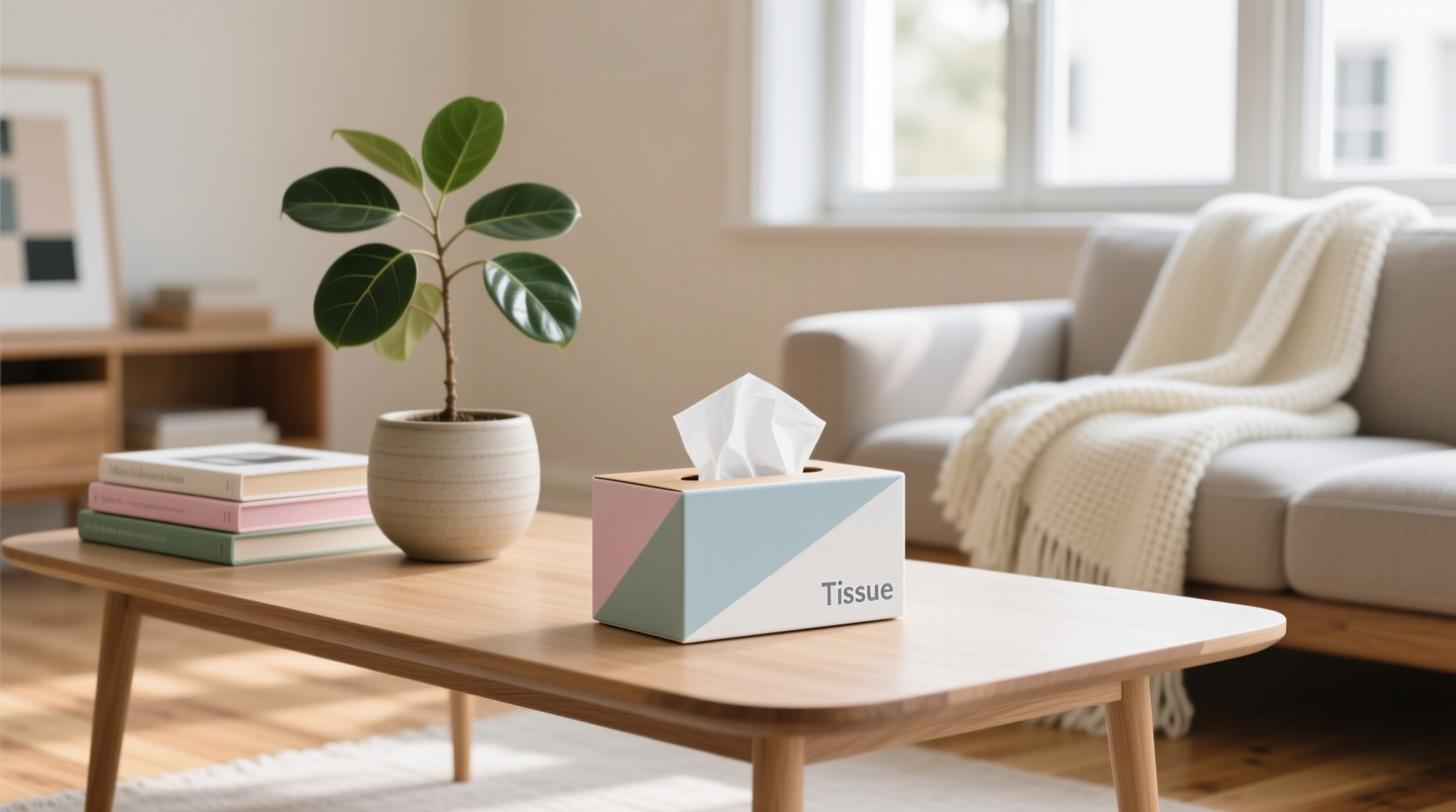
Nordic design—rooted in Scandinavian countries like Sweden, Denmark, and Finland—emphasizes simplicity, functionality, and connection to nature. It avoids clutter and embraces light, airiness, and craftsmanship. When selecting household accessories like a tissue box, these principles guide not just aesthetics but also long-term satisfaction with your space.
The ideal tissue box in a Nordic home should feel intentional. It shouldn’t scream for attention but instead blend seamlessly into the environment while still offering tactile and visual appeal. Materials such as wood, ceramic, linen, and matte metals are favored over plastic or glossy finishes. Neutral tones—white, beige, gray, soft black—are standard, occasionally accented with muted greens, blues, or terracotta.
“Design is not just about how something looks—it’s about how it fits into daily life without disrupting peace.” — Ingrid Sjöström, Interior Designer & Nordic Living Advocate
Selecting the Right Material and Finish
The material of your tissue box plays a crucial role in aligning with Nordic values. Here’s a breakdown of common options and their compatibility with Nordic decor:
| Material | Pros | Cons | Nordic Suitability |
|---|---|---|---|
| Light Wood (e.g., birch, ash, pine) | Warm, natural texture; durable; biodegradable | May require occasional oiling | ⭐⭐⭐⭐⭐ |
| Ceramic (matte glaze) | Smooth finish; elegant; easy to clean | Fragile; heavier | ⭐⭐⭐⭐☆ |
| Woven Linen or Cotton Cover | Soft, breathable; customizable | Needs washing; may fray | ⭐⭐⭐⭐☆ |
| Stainless Steel (brushed finish) | Durable; modern; hygienic | Cold to touch; reflective | ⭐⭐☆☆☆ |
| Plastic (clear or colored) | Affordable; lightweight | Feels cheap; clashes with minimalism | ⭐☆☆☆☆ |
Wood remains the top choice for most Nordic interiors. A lightly oiled birch box with rounded corners offers warmth without overwhelming the space. Ceramic boxes in off-white or pale gray with a hand-thrown appearance add artisanal charm, especially in bathrooms or bedrooms.
Choosing the Right Shape and Proportion
In Nordic design, proportion matters. A bulky or overly ornate tissue box will feel out of place. Opt for clean geometric shapes—rectangular, cylindrical, or softly curved—with smooth edges. Avoid intricate carvings or excessive detailing.
Size is equally important. The box should be large enough to hold a standard tissue pack (typically 10 x 5 x 3 inches) but not so oversized that it dominates a side table or shelf. A low-profile design with a discreet pull slot maintains elegance.
If you prefer concealment, consider a closed-top box with a lift-off lid or magnetic closure. These styles hide the tissues entirely, preserving visual calm. For easier access, a front-slit open-top design works well, especially when paired with folded tissues peeking slightly over the edge—a small detail that adds refinement.
Strategic Placement and Styling Tips
Even the most beautiful tissue box will fall short if poorly placed. In Nordic homes, functionality and flow are prioritized. Consider these guidelines:
- Place the tissue box on a low coffee table, beside a reading chair, or on a bathroom vanity—areas where comfort and convenience intersect.
- Keep it within reach but not in the center of visual focus. It should support the space, not dominate it.
- Pair it with other curated objects: a small plant in a terracotta pot, a beeswax candle, or a stack of minimalist books.
- Fold tissues neatly so only the top sheet peeks out, enhancing tidiness and intentionality.
Mini Case Study: The Cozy Reading Nook Transformation
Maria, a graphic designer in Oslo, struggled with a cluttered living room corner she used for reading. A plastic tissue box sat awkwardly beside her armchair, clashing with her oak side table and cream-colored throw. After researching Nordic organization, she replaced it with a handmade ash wood box featuring a recessed front slit. She paired it with a small potted moss garden and a textured ceramic mug holding reading glasses.
The change was subtle but transformative. “Suddenly, the whole area felt calmer,” Maria said. “I didn’t realize how much that ugly plastic box was bothering me until it was gone.” Her guests now comment on the peaceful atmosphere—proof that even the smallest details contribute to holistic design.
Step-by-Step Guide to Styling Your Tissue Box
- Evaluate your current space: Identify where tissues are needed most—living room, bedroom, entryway, or bathroom.
- Measure the area: Ensure the tissue box fits comfortably without crowding nearby objects.
- Select a material: Choose wood, ceramic, or fabric based on room function and existing textures.
- Pick a neutral color: Match or subtly contrast with surrounding elements (e.g., white ceramic in a gray-toned bathroom).
- Style with intention: Place the box alongside 1–2 complementary items—never more than three to avoid clutter.
- Maintain consistency: Refill tissues neatly and dust or wipe the box weekly to preserve its appearance.
Common Mistakes to Avoid
- Using bright or patterned boxes: Loud colors or logos break the serene mood of Nordic decor.
- Leaving tissues unruly: A crumpled tissue hanging out looks messy. Fold or tuck it neatly.
- Ignoring maintenance: Wooden boxes need occasional oiling; fabric covers need laundering.
- Over-accessorizing: Too many items on a surface distract from the tissue box’s quiet elegance.
FAQ
Can I make my own tissue box cover?
Yes. Sewing a simple linen or cotton sleeve for a basic wooden frame is a popular DIY project. Use neutral dyes or natural fibers to stay true to Nordic aesthetics. Templates are widely available online, and the process takes under two hours.
Are metal tissue boxes suitable for Nordic interiors?
Only if they have a brushed, matte finish and are paired with organic materials like wood or wool. High-shine chrome or copper feels too industrial. Brushed stainless steel in a cylindrical shape can work in modern-Nordic kitchens or powder rooms.
How do I integrate a tissue box into a child’s room with Nordic decor?
Choose a sturdy wooden box with rounded edges and a removable fabric liner for easy cleaning. Keep colors soft—oatmeal, sage, or sky blue—and place it on a low shelf accessible to little hands. This balances safety, function, and design coherence.
Final Checklist Before You Buy
- ✅ Is the material natural or eco-friendly?
- Wood, ceramic, or organic fabric preferred.
- ✅ Does the color fit my palette?
- Stick to whites, taupes, grays, or soft earth tones.
- ✅ Is the size proportional to its location?
- Not too tall, not too wide—should feel balanced.
- ✅ Can it be easily refilled?
- Check access points; avoid designs that require disassembly.
- ✅ Does it invite touch?
- Nordic design values tactility—smooth wood grain or soft linen enhances sensory experience.
Conclusion
The perfect tissue box in a Nordic home isn’t just about hiding unsightly packaging—it’s about honoring the philosophy of mindful living. Every object, no matter how small, contributes to the overall feeling of tranquility and order. By choosing a thoughtfully crafted box and placing it with care, you reinforce the essence of Nordic design: beauty through simplicity, function, and respect for materials.




 浙公网安备
33010002000092号
浙公网安备
33010002000092号 浙B2-20120091-4
Comments
No comments yet. Why don't you start the discussion?