
Oil-based pens are a favorite among artists, note-takers, and journal enthusiasts for their smooth ink flow, water resistance, and long-lasting performance. Unlike water-based inks, oil pen formulations dry slowly and adhere well to non-porous surfaces, making them ideal for technical drawings, labeling, and creative work. However, their performance can vary dramatically depending on the type of paper used. Choosing the right combination of pen and paper is essential to avoid smudging, feathering, or premature drying. Understanding how different papers interact with oil-based ink ensures clean lines, consistent saturation, and lasting results.
Selecting the Right Oil Pen for Your Needs
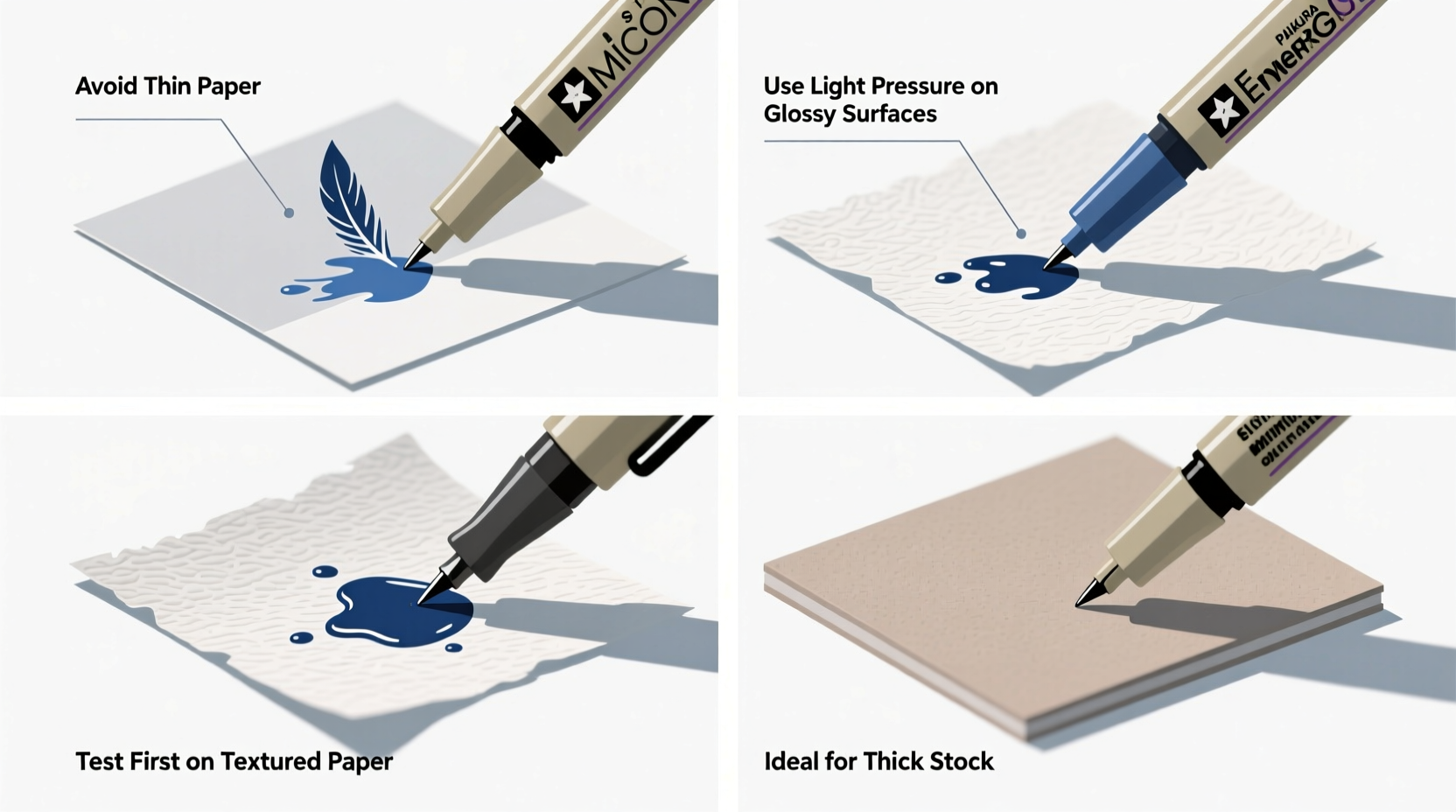
Not all oil pens are created equal. Variations in tip size, ink viscosity, and solvent composition affect how they perform across different applications. Fine-tip oil pens (0.3–0.5mm) are excellent for detailed sketching and precise writing, while broader tips (0.7–1.0mm) deliver bold lines suitable for signage or artistic shading.
The most common oil-based pens include permanent markers like Sharpie Oil-Based Markers, Micron Pigma Graphic, and Uni Paint markers. These pens use pigmented ink suspended in an oil carrier, which resists fading and water damage. When selecting a pen, consider:
- Ink permanence – Essential for archival work or outdoor labeling.
- Drying time – Slower drying allows for smoother application but increases smudge risk.
- Tip durability – Fiber or plastic tips hold up better on rougher surfaces.
- Ventilated caps – Prevents ink from drying out when capped.
“Oil-based pens offer unmatched durability on challenging surfaces, but pairing them with compatible paper prevents wasted effort.” — Daniel Reeves, Industrial Drafting Instructor
Understanding Paper Characteristics and Their Impact
Paper isn’t just a passive surface—it actively influences ink absorption, spread, and drying. The three primary factors that affect oil pen performance are surface texture, absorbency, and coating.
Surface Texture: Smooth papers provide consistent glide and minimize tip wear. Rough or textured papers may cause skipping or uneven ink distribution.
Absorbency: Highly absorbent papers, such as newsprint or low-grade printer paper, can cause feathering—even with oil-based inks. Non-absorbent or coated papers prevent bleed-through but may increase drying time.
Coating: Glossy or clay-coated papers create a barrier that limits ink penetration, resulting in sharp lines but potential smudging until fully dry.
Common Paper Types and Oil Pen Behavior
| Paper Type | Surface Quality | Oil Pen Performance | Best Use Case |
|---|---|---|---|
| Bond/Printer Paper | Smooth, slightly porous | Moderate feathering; fast drying | Labels, quick notes |
| Glossy Photo Paper | Non-porous, slick | Sharp lines, slow drying, high smudge risk | Artistic overlays, presentations |
| Watercolor Paper | Textured, highly absorbent | Feathering, inconsistent line width | Not recommended |
| Illustration Board | Smooth, rigid, coated | Excellent control, minimal bleed | Technical drawings, drafting |
| Recycled Paper | Rough, variable absorbency | Unpredictable; may skip or blot | Casual use only |
Step-by-Step Guide to Using Oil Pens Effectively
Follow this sequence to maximize performance and minimize errors when using oil pens across different paper types.
- Choose the appropriate pen tip based on detail level needed—fine for precision, broad for visibility.
- Select compatible paper—smooth, coated stock is generally best for oil pens.
- Prime the pen by scribbling on scrap paper until ink flows evenly.
- Apply steady, moderate pressure—excessive force can deform the tip or cause blobbing.
- Allow adequate drying time, especially on non-absorbent surfaces (up to 2–5 minutes).
- Avoid touching the line immediately; use a hand guard or work left to right if right-handed.
- Clean the tip after use by drawing briefly on scrap paper to prevent clogging.
- Store pens horizontally with caps securely closed to maintain ink consistency.
Real-World Example: Labeling Product Packaging
Sophia runs a small candle-making business and uses oil-based pens to label her product boxes. Initially, she used standard kraft cardboard, but found that the ink feathered and became illegible over time. After testing several options, she switched to coated kraftboard—a smoother, semi-gloss surface treated with a thin polymer layer. This change dramatically improved line clarity and durability. She now uses a Uni Paint marker with a 0.7mm tip, allowing her to write quickly without sacrificing legibility. By aligning her pen choice with the paper’s characteristics, Sophia reduced rework and enhanced her brand’s professional appearance.
Checklist: Optimizing Oil Pen Use on Paper
- ☐ Test pen on sample paper before full application
- ☐ Use smooth, low-absorbency paper for best results
- ☐ Prime the pen tip before writing
- ☐ Work in a well-ventilated area (oil solvents can be strong)
- ☐ Allow 2–5 minutes drying time on non-porous surfaces
- ☐ Store pens horizontally with caps tightly sealed
- ☐ Clean tips periodically to prevent buildup
- ☐ Avoid high-humidity environments during use
Frequently Asked Questions
Can oil pens be used on matte paper?
Yes, matte paper typically works well with oil pens. It offers a balance between grip and smoothness, allowing consistent ink flow without excessive shine. Just ensure the matte finish isn’t overly absorbent, which could lead to slight feathering.
Why does my oil pen skip on certain papers?
Skipping often occurs due to surface inconsistencies, debris, or dried ink at the tip. Rough fibers in recycled or handmade papers can disrupt contact. Wipe the tip gently with a lint-free cloth and ensure even pressure during use.
Are oil pens safe for journaling?
They can be, but caution is advised. Because oil inks take longer to dry, they may transfer onto opposing pages in bound journals. Use blotting paper or wax sheets between pages if necessary, and allow entries to dry completely before closing the book.
Final Recommendations and Best Practices
For optimal results, pair fine or medium-tip oil pens with smooth, coated papers such as illustration board, bristol, or premium matte cardstock. These surfaces provide the ideal balance of ink adhesion and controlled drying. Avoid heavily textured or uncoated papers unless you're aiming for a distressed aesthetic. Always cap pens immediately after use and store them properly to extend lifespan. If working on a large project, rotate between multiple pens to prevent one from drying out mid-use.
Environmental conditions also play a role. High humidity slows drying, while extreme cold can thicken the ink. Maintain a stable workspace temperature between 68°F and 77°F (20–25°C) for reliable performance.
“Matching the tool to the substrate is half the battle. A $5 oil pen on the right paper outperforms a premium pen on the wrong one.” — Lila Chen, Technical Illustrator
Take Action Today
Start refining your technique by conducting a simple paper test: draw a 2-inch line with your oil pen on five different paper types. Observe drying time, edge crispness, and smudge resistance. Keep a reference swatch sheet for future projects. Whether you're labeling, sketching, or documenting, mastering the interaction between oil pens and paper transforms your output from functional to professional. Share your findings with others, refine your toolkit, and elevate every mark you make.




 浙公网安备
33010002000092号
浙公网安备
33010002000092号 浙B2-20120091-4
Comments
No comments yet. Why don't you start the discussion?