
The iPhone’s camera system is one of its most valuable features—capable of professional-grade photography in a pocket-sized device. Yet, this precision hardware is vulnerable the moment it comes into contact with hard surfaces. Even minor drops or placing your phone face-down on a table can result in scratched lenses, misaligned sensors, or costly repairs. A well-chosen case with a raised edge around the camera module offers essential protection without compromising aesthetics or functionality.
Raised edge cases are designed with a subtle but critical feature: a lip that extends slightly above the surface of the camera bump. This ensures that when the phone rests on a flat surface, the lens doesn’t make direct contact. Over time, even small abrasions from dust or rough textures can degrade image quality. By selecting the right case and using it properly, you preserve both the integrity of your camera and the resale value of your device.
Why Camera Lens Protection Matters
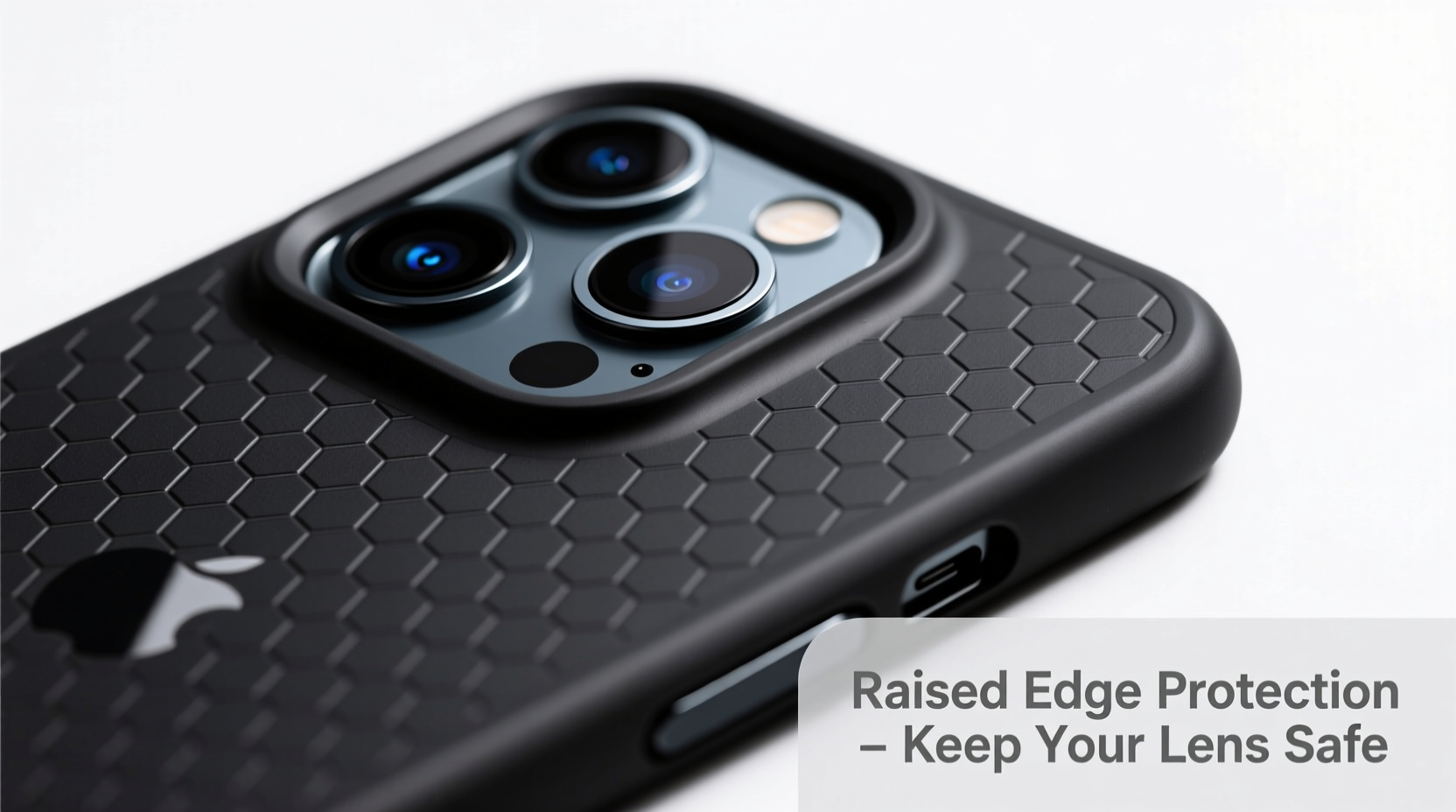
Modern iPhones feature multi-lens arrays protruding from the back panel. The latest models have glass lenses that are durable but not scratch-proof. According to Apple’s material specifications, the camera covers are made from sapphire crystal—a material second only to diamond in hardness—but it can still be compromised by materials like quartz, found commonly in sand and concrete.
“Even a microscopic scratch on a lens coating can scatter light and reduce contrast in photos, especially in high-glare conditions.” — Dr. Lena Torres, Optical Engineer at Mobile Imaging Labs
Without a protective barrier, daily habits like setting your phone on a coffee table, slipping it into a bag with keys, or dropping it on pavement put the lenses at risk. Once damaged, lens replacement is expensive and often requires full module swaps due to calibration requirements. A raised edge case acts as a first line of defense, absorbing impact and preventing direct friction.
How to Choose the Right Raised Edge Case
Not all “raised edge” cases are created equal. Some claim protection but fall short in design or materials. To ensure real safeguarding, evaluate these five key factors:
- Height of the Lip: The raised edge should extend at least 0.3mm–0.5mm above the highest point of the camera lenses. Too low, and it won’t prevent contact; too high, and it may interfere with wireless charging or create instability when placed flat.
- Precision Fit: Choose cases specifically designed for your iPhone model. Generic cases often misalign cutouts, leaving lenses exposed or pressing against the glass.
- Material Quality: Polycarbonate, TPU (thermoplastic polyurethane), or hybrid combinations offer durability and shock absorption. Avoid flimsy plastic that degrades over time.
- Camera Cutout Design: Rounded, chamfered edges around the lens opening reduce dust accumulation and prevent snagging. Look for anti-reflective coatings inside the ring to minimize glare.
- Elevation Consistency: Ensure the raised edge surrounds the entire camera island uniformly. Asymmetric designs may protect one lens while leaving others vulnerable.
Comparison of Case Types for Lens Protection
| Case Type | Lens Protection Level | Durability | Wireless Charging Friendly? | Best For |
|---|---|---|---|---|
| Silicone | Moderate (low lip height) | Medium | Yes | Style-focused users |
| TPU with Raised Edge | High | High | Yes | Daily protection |
| Hybrid (Plastic + Rubber) | Very High | Very High | Sometimes (check thickness) | Active lifestyles |
| Wallet Cases | Low to Moderate | Medium | Limited | Minimalists who carry cards |
| Folio Cases | High (when closed) | High | Yes | Business users |
Step-by-Step Guide to Proper Use and Maintenance
Choosing the right case is only half the battle. How you use and maintain it determines long-term effectiveness.
- Install Correctly: Align the case slowly, starting from the charging port side. Press firmly around the camera area to ensure the raised edge sits flush without warping.
- Inspect Weekly: Check for debris trapped under the lip. Dust and grit can act like sandpaper if left uncleaned.
- Clean Regularly: Remove the case monthly and wipe both the phone’s back and the interior of the case with a dry microfiber cloth. Avoid alcohol-based cleaners that can degrade TPU.
- Avoid Extreme Temperatures: Heat causes plastic expansion, which may warp the raised edge over time. Don’t leave your phone in hot cars or direct sunlight for extended periods.
- Replace When Worn: If the lip becomes chipped, cracked, or compressed, replace the case immediately—even minor deformities compromise protection.
Real-World Example: A Photographer’s Experience
Jamal Reed, a travel photographer based in Portland, used his iPhone 15 Pro Max extensively in rugged environments—from desert dunes to rocky coastlines. After two months without a protective case, he noticed a fine web of scratches across the telephoto lens. “I thought sapphire was tough,” he said. “But sand got under the phone while I was shooting on a beach, and it acted like grinding paste.”
He switched to a military-grade TPU case with a precisely engineered 0.4mm raised edge. Over the next eight months, including several accidental drops onto concrete, the lenses remained flawless. “The lip took all the scrapes,” he noted. “Now I never go anywhere without it.”
Checklist: Selecting and Using a Raised Edge Case
- ☐ Confirm compatibility with your exact iPhone model
- ☐ Verify the raised edge exceeds the lens height by at least 0.3mm
- ☐ Choose a reputable brand with proven drop-test ratings (e.g., OtterBox, Spigen, UAG)
- ☐ Ensure unobstructed access to flash, microphone, and LiDAR sensor
- ☐ Test stability when placed face-down
- ☐ Clean the camera area and case interior monthly
- ☐ Replace the case if the lip shows signs of wear or deformation
Frequently Asked Questions
Do all iPhone cases with camera cutouts provide lens protection?
No. Many slim or fashion-oriented cases have flush or recessed cutouts, meaning the lens touches surfaces directly. Only cases with a physically elevated rim around the camera module offer true protection.
Can a raised edge affect photo quality?
Poorly designed cases with oversized lips or reflective interiors may cause vignetting or lens flare. Choose cases with matte-finished rings and precise alignment to avoid optical interference.
Is screen-only protection enough?
No. While screen protectors guard the front, the rear—including the camera—is equally exposed. Full-body protection includes both screen and backside safeguards, especially for protruding lenses.
Final Thoughts
Your iPhone’s camera is an investment in memory-making, creativity, and communication. Protecting it shouldn’t be an afterthought. A properly selected raised edge case combines engineering precision with everyday practicality, shielding your lenses from the inevitable bumps and scrapes of life. It’s not about paranoia—it’s about prevention.
Start by auditing your current case: does it truly elevate the camera? If not, explore options that balance protection, usability, and design. Small habits—like regular cleaning and timely replacement—compound into years of pristine performance.




 浙公网安备
33010002000092号
浙公网安备
33010002000092号 浙B2-20120091-4
Comments
No comments yet. Why don't you start the discussion?