
Audio smart glasses blend style, functionality, and innovation—perfect for people who want hands-free listening while staying aware of their surroundings. For outdoor enthusiasts, commuters, or fitness lovers, these wearable devices offer a seamless way to enjoy music, take calls, or navigate without blocking ambient noise. But not all models are built for real-world conditions. Choosing the right pair requires understanding which features truly matter when you're exposed to wind, sunlight, sweat, and unpredictable weather.
Sound Quality That Performs Outdoors
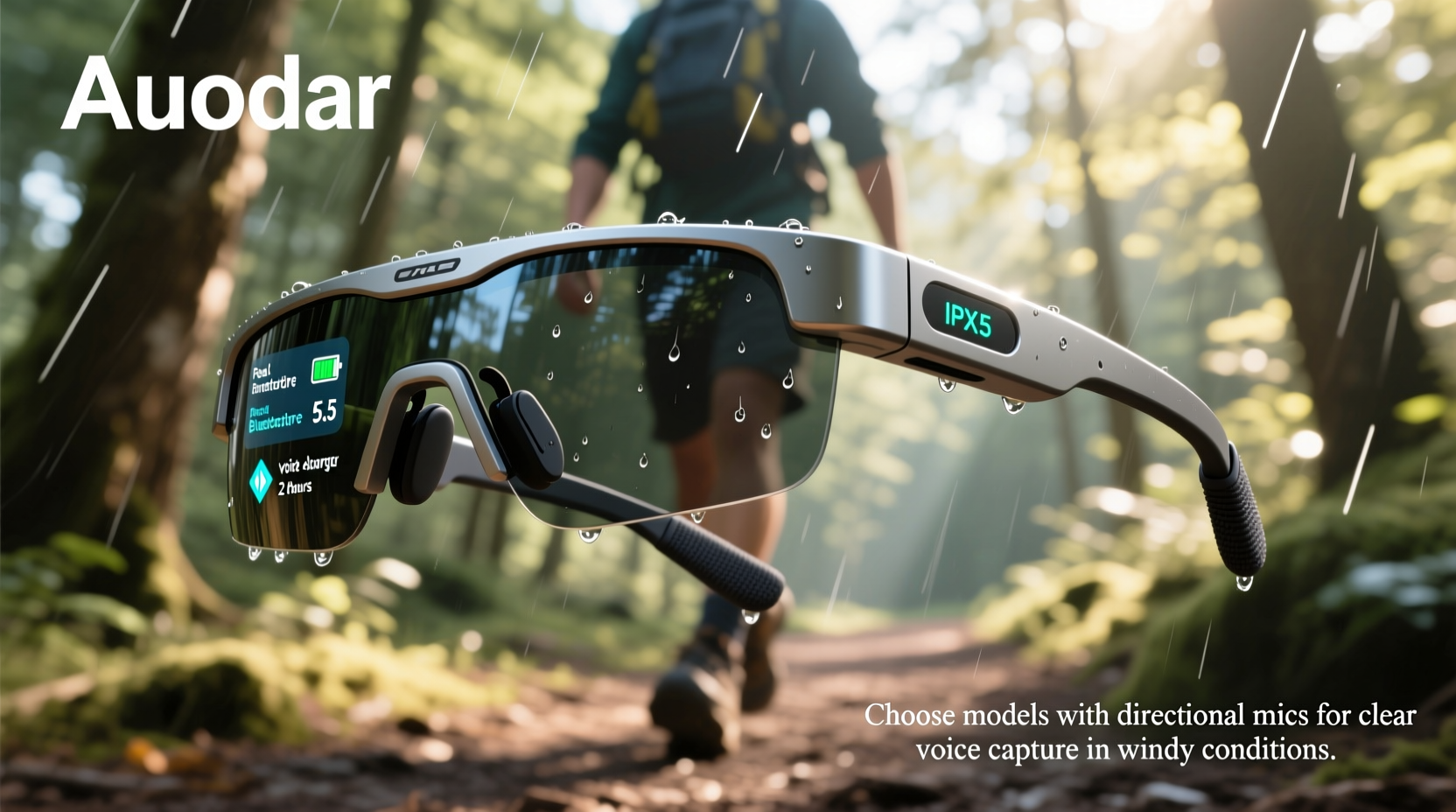
Indoor audio performance doesn’t always translate outdoors. Wind, traffic, and background chatter can drown out weak speakers. Look for smart glasses with open-ear audio technology—typically bone conduction or directional speakers near the temples—that deliver clear sound without sealing off your ears.
High-quality drivers should provide balanced mids and highs, as bass is often limited in this form factor. Some premium models now include adaptive audio that adjusts volume based on environmental noise. This ensures you don’t have to constantly tweak settings when moving from quiet parks to busy streets.
Battery Life: Plan for Extended Use
If you’re hiking, cycling, or commuting across multiple zones, short battery life becomes a liability. Most audio smart glasses last between 4 to 8 hours of continuous playback. However, actual performance varies depending on volume level, Bluetooth connectivity, and usage patterns like frequent call-taking.
For extended outdoor adventures, prioritize models with at least 6 hours of playtime and fast charging capabilities (e.g., 10 minutes for 1 hour of use). Also, check whether the charging case provides additional full charges—this can double your total field time.
Durability and Weather Resistance
Outdoor use demands resilience. Rain showers, dust, humidity, and accidental drops are common hazards. While no smart glasses are fully waterproof, many carry an IPX4 or higher rating, meaning they can withstand splashes and light rain.
Frames made from durable materials like TR90 nylon or magnesium alloy resist bending and corrosion. Hinges should feel tight but flexible. Avoid flimsy plastic builds—they may crack under pressure or degrade in UV exposure over time.
“Durability isn’t just about surviving a fall—it’s about consistent performance in changing environments.” — Jordan Lee, Wearable Tech Engineer at OutdoorGear Labs
UV Protection and Lens Options
Smart glasses aren’t regular sunglasses, but they still need proper lens protection. Always verify that lenses block 100% of UVA and UVB rays. Polarized options reduce glare from water, snow, or pavement, improving visual comfort during long daylight activities.
Some models come with interchangeable lenses—clear for overcast days, tinted for bright sun, and yellow for low-light conditions. If you wear prescription glasses, look for brands offering custom-fit inserts or magnetic clip-ons compatible with their frames.
| Feature | Recommended Standard | Why It Matters |
|---|---|---|
| Noise Isolation | Directional speakers + ambient awareness | Keeps you safe by hearing traffic and conversations |
| Water Resistance | IPX4 or higher | Survives sweat, rain, and sudden weather changes |
| Battery Life | 6+ hours continuous playback | Suitable for full-day hikes or commutes |
| Frame Material | TR90, titanium, or reinforced polymer | Lightweight yet impact-resistant |
| Bluetooth Version | 5.2 or newer | Stable connection, lower power consumption |
Finding the Right Fit and Comfort
No matter how advanced the tech, discomfort will cut your experience short. Unlike traditional headphones, smart glasses rest on your nose and ears continuously. A poor fit leads to slipping, pressure points, or headaches after 30 minutes.
Look for adjustable temple arms and nose pads. Lightweight designs (under 45 grams) are less likely to cause fatigue. Try them on if possible—or choose brands with generous trial periods. Frames should sit snugly without pinching, even when turning your head or jogging.
Connectivity and Compatibility
Ensure the glasses work seamlessly with your primary device. Most support Bluetooth 5.0+, but check compatibility with iOS, Android, or specific voice assistants like Siri or Google Assistant. Some models integrate touch controls or voice commands directly into the frame, minimizing phone interaction.
Multipoint pairing allows switching between devices—for example, listening to a podcast from your tablet, then taking a call from your phone automatically. This feature is especially useful for remote workers spending time outside offices.
Mini Case Study: Trail Runner’s Experience
Alex Rivera, an avid trail runner from Colorado, switched from earbuds to audio smart glasses after two close calls with mountain bikers he didn’t hear approaching. “I love music during runs, but safety comes first,” Alex says. He chose a model with IPX5 rating, polarized lenses, and 7-hour battery life.
“Now I get motivation from podcasts and playlists while still hearing birds, other hikers, and warning shouts. The glasses stay put even on steep climbs, and I haven’t had any fogging issues either.” His only advice? “Don’t skip trying different nose pad sizes—mine made all the difference.”
Step-by-Step Guide to Choosing Your Outdoor Audio Smart Glasses
- Assess Your Primary Use: Determine whether you’ll mainly use them for sports, commuting, or casual walks. High-intensity users need rugged builds and sweat resistance.
- Check Environmental Ratings: Confirm at least IPX4 water resistance and UV400 lens protection.
- Test Battery Requirements: Match expected usage duration with available battery life. Add buffer time for emergencies.
- Evaluate Sound Clarity: Listen to speech-heavy content (like audiobooks) and music in a moderately loud setting to judge intelligibility.
- Verify Fit and Adjustability: Ensure the frame doesn’t slide or press uncomfortably. Consider weight and balance.
- Review Warranty and Support: Longer warranties (1–2 years) reflect manufacturer confidence. Check software update policies too.
- Purchase Through Trial-Friendly Retailers: Opt for brands offering 30-day returns so you can test in real conditions.
Expert Tips Checklist
- ✅ Choose open-ear audio for situational awareness
- ✅ Prioritize IPX4+ water and sweat resistance
- ✅ Confirm UV400 or higher lens protection
- ✅ Aim for 6+ hours of battery life
- ✅ Select lightweight, adjustable frames under 45g
- ✅ Use multipoint Bluetooth for device flexibility
- ✅ Test audio clarity in windy or noisy areas
- ✅ Buy from brands with strong customer support
FAQ
Can I wear audio smart glasses in the rain?
Yes, most models rated IPX4 or higher can handle light rain and splashes. However, avoid submerging them or using in heavy downpours. Always dry thoroughly after exposure.
Are audio smart glasses safe for driving?
In most regions, yes—as long as both ears remain unobstructed. Since these glasses don’t cover the ear canal, they comply with hands-free laws in many countries. Still, keep volume low enough to hear horns, sirens, and surrounding traffic.
Do they work with prescription lenses?
Some brands offer prescription-compatible frames or magnetic clip-in solutions. Others partner with optical retailers to provide custom inserts. Check manufacturer specifications before assuming compatibility.
Final Thoughts
Selecting the right audio smart glasses for outdoor use isn’t just about tech specs—it’s about matching function to lifestyle. Whether you're biking through city streets, trail running in the mountains, or simply walking your dog, the ideal pair enhances your experience without compromising safety or comfort.
The best choices combine reliable sound, robust build quality, smart connectivity, and ergonomic design. With careful evaluation and real-world testing, you can find a pair that feels like a natural extension of your daily routine.




 浙公网安备
33010002000092号
浙公网安备
33010002000092号 浙B2-20120091-4
Comments
No comments yet. Why don't you start the discussion?