
Selecting the right clothing for your dog goes beyond fashion. Whether you're dressing your pup for warmth, protection, or just a little flair, understanding the functional differences between a dog vest and a dog shirt is essential. These garments serve distinct purposes—some are designed for performance and safety, while others focus on comfort and aesthetics. Making the wrong choice can lead to discomfort, restricted movement, or even safety risks during walks or outdoor activities. With so many options available, it’s important to consider your dog’s breed, lifestyle, climate, and specific needs when deciding between a vest and a shirt.
Understanding the Key Differences
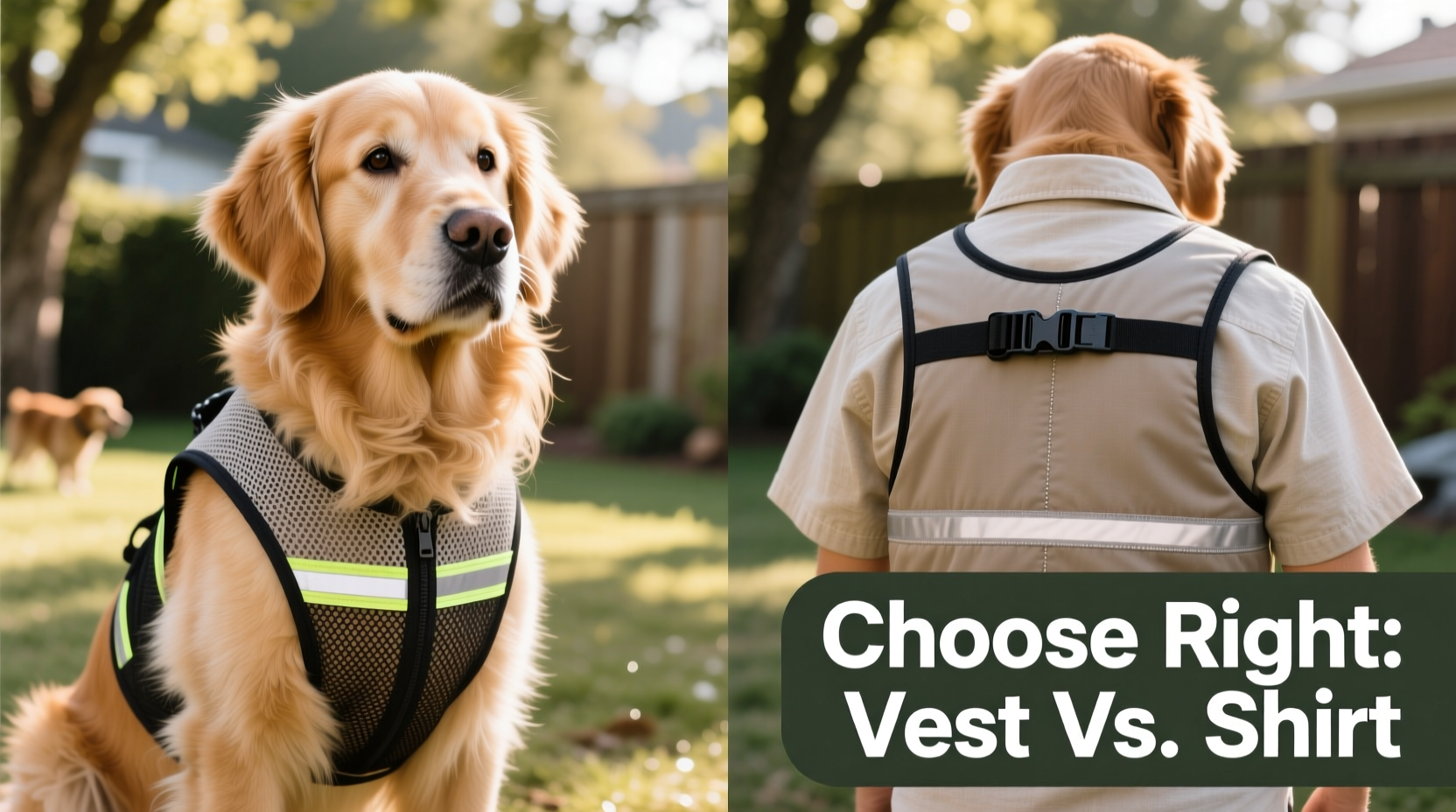
A dog vest and a dog shirt may look similar at first glance, but their construction, purpose, and fit differ significantly. A dog vest typically features a structured design with reinforced stitching, adjustable straps, and often includes hardware such as D-rings for leash attachment. Vests are commonly used for harness functionality, service roles, or outdoor adventures. In contrast, a dog shirt is usually made from soft, stretchable fabric like cotton or polyester blends and resembles a human t-shirt in cut and wearability. Shirts are primarily intended for warmth, sun protection, or decorative purposes.
Vests provide more control and support, especially for dogs that pull on the leash or require assistance with mobility. They distribute pressure across the chest and shoulders rather than the neck, reducing strain. Dog shirts, while comfortable, offer minimal structural support and are not suitable for walking or training. Choosing between them depends on whether you need utility or simply want to keep your dog cozy and stylish.
When to Choose a Dog Vest
Dog vests shine in situations requiring durability, safety, and functionality. If your dog participates in outdoor activities like hiking, jogging, or camping, a vest offers better protection against rough terrain and weather conditions. Many vests come with reflective strips for visibility during early morning or evening walks, enhancing safety in low-light environments. For small breeds or senior dogs with joint issues, front-clip harness vests reduce tension on the spine and improve posture during walks.
Service dogs, therapy animals, and working breeds often wear vests not only for identification but also for carrying gear such as water bottles, medical supplies, or communication tools. The added structure supports weight distribution without restricting movement. Additionally, cooling vests are ideal for hot climates—they absorb water and use evaporation to regulate body temperature, preventing overheating during exercise.
“Functional dog apparel should enhance mobility, not restrict it. A well-fitted vest supports activity without chafing or pressure points.” — Dr. Lena Torres, Veterinary Behaviorist
When a Dog Shirt Is the Better Option
Dog shirts are best suited for everyday wear in mild conditions. They’re excellent for providing light insulation during cooler months, particularly for short-haired breeds like Chihuahuas, Greyhounds, or Dobermans. Dogs with thin coats or those recovering from surgery or grooming may benefit from the gentle coverage a shirt provides. Some shirts are designed with UV-protective fabric, shielding sensitive skin from harmful sun exposure during extended outdoor time.
Fashion-forward owners often opt for shirts featuring playful patterns, holiday themes, or seasonal colors. These are perfect for photo shoots, social events, or simply showing off your pup’s personality. However, avoid using shirts as substitutes for harnesses during walks, as they lack secure attachment points and can stretch or slip, posing a safety hazard.
| Feature | Dog Vest | Dog Shirt |
|---|---|---|
| Primary Purpose | Safety, support, function | Warmth, style, light protection |
| Material | Nylon, mesh, neoprene, padded fabrics | Cotton, spandex, polyester blends |
| Leash Attachment | Yes (D-ring) | No (not recommended) |
| Breathability | Moderate to high (varies by type) | High (lightweight fabrics) |
| Best For | Walking, training, outdoor adventures | Indoor wear, cool weather, fashion |
Step-by-Step Guide to Choosing the Right Fit
- Measure Your Dog: Use a soft tape measure around the widest part of the chest (behind the front legs) and the length from base of neck to base of tail. Refer to brand-specific sizing charts.
- Assess Activity Level: Active dogs needing control or support should wear vests; relaxed or indoor dogs may do better with shirts.
- Check Climate Needs: In cold or sunny environments, prioritize materials that offer thermal regulation or UV protection.
- Evaluate Comfort: Look for flat seams, tagless labels, and stretch zones. Avoid tight elastic bands that dig into armpits or the neck.
- Test Mobility: Allow your dog to move freely after putting on the garment. Watch for signs of restriction when sitting, lying down, or turning.
- Monitor Skin Reaction: Wear new garments for short periods initially. Watch for redness, itching, or excessive scratching.
Mini Case Study: Max the Rescue Beagle
Max, a three-year-old beagle adopted from a rural shelter, struggled with leash anxiety and overexcitement during neighborhood walks. His owner, Sarah, initially dressed him in cute cotton shirts for winter outings, but noticed he would tug violently whenever excited, risking neck injury. After consulting her vet, she switched to a no-pull front-clip dog vest with adjustable straps. Within two weeks, Max walked more calmly, and Sarah felt greater control. The vest also included a handle, which helped lift Max over curbs safely due to his previous hip strain. While Sarah still uses shirts at home for warmth, the vest became essential for all outdoor excursions—proving that matching the garment to the activity makes all the difference.
Checklist: Before You Buy Any Dog Apparel
- ✅ Measured your dog’s chest and back length accurately
- ✅ Determined the primary purpose (walking, warmth, fashion, protection)
- ✅ Checked for adjustable straps and secure closures
- ✅ Confirmed material suitability for your climate
- ✅ Ensured there are no internal seams or tags that could cause irritation
- ✅ Verified ease of cleaning (machine washable preferred)
- ✅ Avoided garments with loose strings or small detachable parts (choking hazard)
Frequently Asked Questions
Can I use a dog shirt as a harness?
No. Dog shirts are not designed to withstand leash tension and may tear or slip off, putting your dog at risk. Always use a proper harness or vest for walking.
How do I know if a vest fits properly?
A well-fitting vest allows two fingers to slide under each strap comfortably. It shouldn’t ride up, shift side-to-side, or restrict leg movement. The D-ring should sit centered on the back.
Are dog clothes necessary?
Not always—but they can be beneficial. Dogs with short hair, low body fat, or health conditions may need extra warmth. Others benefit from sun protection or insect-repellent clothing. Comfort and necessity should guide your decision, not trends alone.
Final Thoughts: Prioritize Comfort, Then Style
The choice between a dog vest and a dog shirt ultimately comes down to your dog’s daily life and physical needs. Functionality should never be sacrificed for fashion, especially when safety is involved. A high-quality vest can enhance your dog’s experience during walks, hikes, or training sessions, while a soft, breathable shirt adds comfort during chilly evenings or post-grooming recovery. By observing your dog’s behavior, considering their breed traits, and selecting well-constructed garments, you ensure they stay both safe and stylish.




 浙公网安备
33010002000092号
浙公网安备
33010002000092号 浙B2-20120091-4
Comments
No comments yet. Why don't you start the discussion?