
Sleep quality hinges on more than just mattress firmness or room temperature. One of the most overlooked yet critical elements is bedding—specifically, the choice between a duvet and a comforter. While they may appear similar at first glance, their construction, functionality, and care requirements differ significantly. Selecting the right one can enhance thermal regulation, simplify laundry routines, and even elevate bedroom aesthetics. Understanding these differences empowers you to make an informed decision tailored to your climate, sleeping habits, and lifestyle.
Understanding the Basics: Duvet vs. Comforter
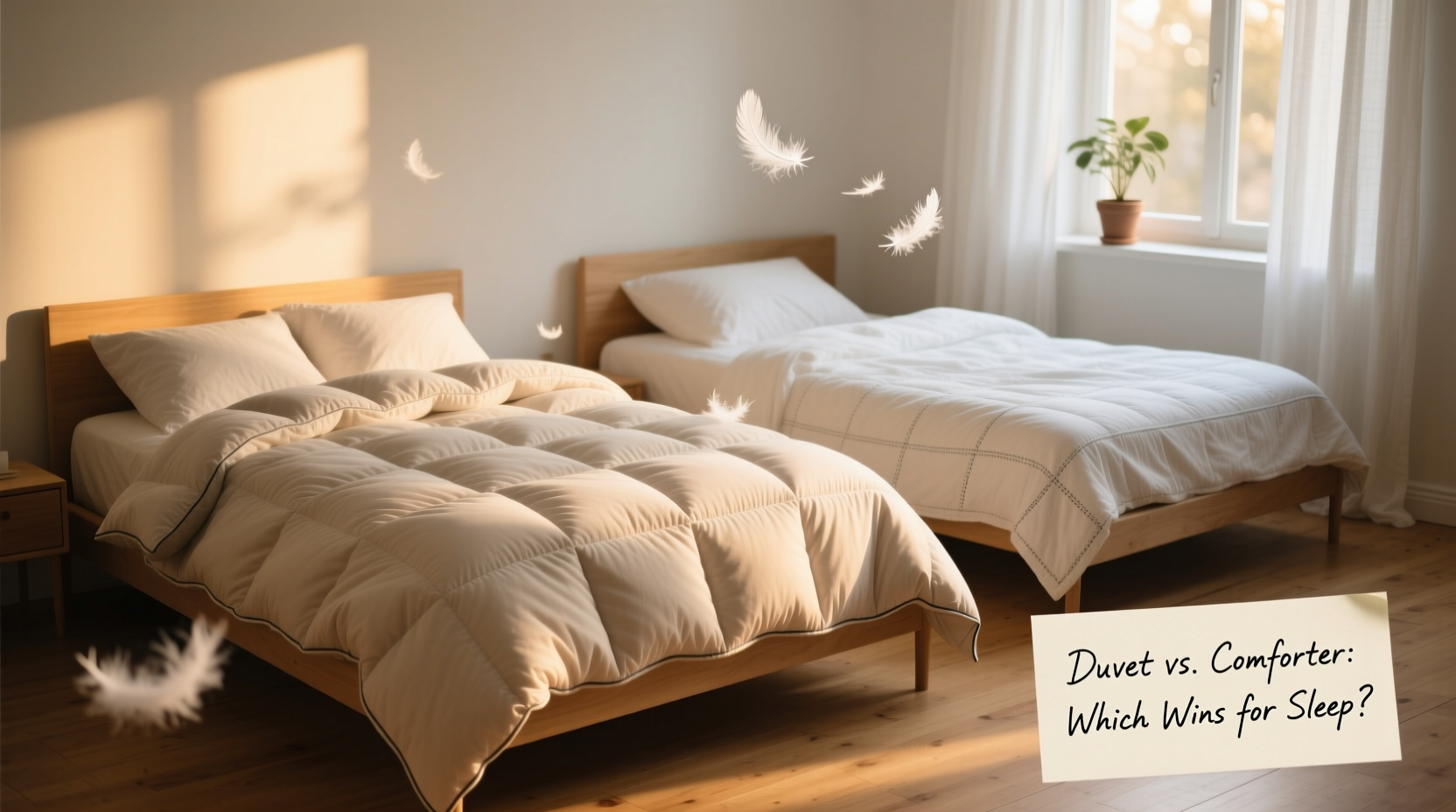
A comforter is a single, unified piece of bedding typically made with a top layer, insulating fill (such as down, cotton, or synthetic fibers), and a stitched-through design that keeps the filling evenly distributed. It’s usually decorative by design and often used without a cover, although some people opt for a protective sheet or bedspread over it.
In contrast, a duvet consists of two components: an inner insert (the duvet itself) filled with down, wool, or synthetic materials, and a removable outer fabric shell known as a duvet cover. The cover acts like a pillowcase for the insert, protecting it from dirt and wear while offering endless customization through interchangeable styles and colors.
This structural distinction leads to functional consequences. Comforters are generally more permanent fixtures in your bedding ensemble, whereas duvets offer modular flexibility. That modularity makes them ideal for people who value ease of cleaning and seasonal adaptability.
Key Factors in Choosing Between Duvet and Comforter
The best choice depends on several interrelated factors: climate, maintenance preferences, aesthetic goals, budget, and personal sensitivity to allergens or textures.
1. Climate and Temperature Regulation
Your local weather patterns play a major role. In colder regions, a high-loft down duvet insert provides excellent insulation while remaining lightweight. Its breathability helps prevent overheating during deep sleep cycles. For warmer climates, lighter fills such as silk or microfiber work well inside a duvet, allowing airflow and moisture wicking.
Comforters tend to be bulkier and less breathable due to their all-in-one design. Many are quilted tightly, which limits air circulation. However, modern options now include cooling gels or moisture-wicking fabrics designed for hot sleepers.
2. Ease of Cleaning and Maintenance
Cleaning is where duvets truly shine. Since the insert stays protected inside a washable cover, you only need to launder the outer layer every few weeks. This reduces wear on the insulation and extends its lifespan. Most duvet inserts require professional dry cleaning or gentle machine washing on a delicate cycle with proper balancing.
Comforters, being one-piece constructions, must be washed entirely when soiled. Their thickness makes them difficult to clean thoroughly at home, often leading to clumping or incomplete drying. Over time, repeated washing degrades stitching and compresses the fill, reducing fluffiness and warmth.
“Duvet systems promote better hygiene and longevity. By isolating the insulating layer behind a washable barrier, users dramatically reduce exposure to dust mites and sweat buildup.” — Dr. Lena Tran, Sleep Environment Specialist
3. Aesthetic Flexibility and Style Customization
If you enjoy rotating seasonal decor or experimenting with color palettes, a duvet offers unmatched versatility. Simply swap out the cover to transform your bed’s look—from crisp white linen in summer to rich velvet in winter. Covers come in countless patterns, weaves, and textures, making them powerful tools in interior styling.
Comforters are more static. While attractive, changing their appearance means purchasing a whole new piece, which increases cost and storage demands. Some luxury comforters feature reversible designs, but even then, choices are limited compared to the breadth available in duvet covers.
4. Allergies and Sensitivities
Hypoallergenic considerations matter for many sleepers. Both duvets and comforters can be filled with allergy-friendly materials like hypoallergenic down alternatives or organic cotton. However, because duvet covers are removable and washable, they provide a superior defense against allergens like pet dander, pollen, and dust mites.
Washing a duvet cover weekly at high temperatures (60°C/140°F) effectively eliminates microbes and allergens. With a comforter, this level of sanitation is impractical unless you have access to a commercial washer.
5. Cost and Long-Term Value
Initial pricing can mislead. A premium comforter might seem cheaper than buying a duvet insert plus two matching covers. But consider long-term value: replacing a stained or flattened comforter every 3–5 years adds up. A well-maintained duvet insert can last a decade or more, especially when paired with regularly cleaned covers.
Additionally, investing in multiple duvet covers lets you maintain freshness without recurring large purchases. You could own a daily-use cover, a guest set, and a seasonal option—all protecting the same core insert.
Comparison Table: Duvet vs. Comforter at a Glance
| Feature | Duvet System | Comforter |
|---|---|---|
| Construction | Insert + removable cover | Single integrated unit |
| Cleaning Frequency | Cover: biweekly; Insert: annually | Entire piece: quarterly or less |
| Lifespan | 8–12 years (with care) | 3–6 years |
| Style Flexibility | High (interchangeable covers) | Low (fixed appearance) |
| Allergen Resistance | High (washable barrier) | Moderate (harder to sanitize) |
| Initial Cost | Medium-high (insert + cover) | Low-medium |
| Best For | Hot sleepers, allergy sufferers, design enthusiasts | Renters, minimalists, budget-focused buyers |
Step-by-Step Guide to Making Your Decision
Follow this structured approach to determine whether a duvet or comforter suits your needs best.
- Evaluate Your Sleep Environment: Track average room temperature year-round. Do you use heating heavily in winter? Is your bedroom prone to humidity? Cooler rooms favor higher-loft insulation found in quality duvet inserts.
- Assess Laundry Habits: Are you willing to wash bedding every 2–3 weeks? If not, a duvet cover simplifies upkeep. If you avoid frequent laundering, a comforter may accumulate odors and allergens faster.
- Determine Style Preferences: Do you redecorate often? Love bold prints? Prefer neutral tones? Duvets offer dynamic styling; comforters deliver consistency.
- Consider Health Needs: Asthma, eczema, or allergies suggest a duvet system for easier sanitization. Look for OEKO-TEX® certified covers free from harmful chemicals.
- Set a Realistic Budget: Factor in replacement costs over five years. A $200 duvet insert with three $50 covers ($350 total) may outperform five $80 comforters ($400 total) in durability and hygiene.
- Test Before Committing: Visit a bedding store and feel both types. Note weight, loft, and texture. Some people dislike the slight crinkle of certain duvet covers, while others find thick comforters too heavy.
Real-Life Example: Sarah’s Seasonal Switch
Sarah lives in Denver, where winters are frigid and summers surprisingly warm. She used to rely on a single thick comforter year-round, bundling up in winter and sweating through July nights. After researching bedding options, she invested in a 700-fill-power down duvet insert and two covers: a heavyweight flannel for winter and a lightweight percale cotton for summer.
She noticed immediate improvements. Her sheets stayed cleaner longer, and she no longer needed to air out a musty comforter after months of use. Changing seasons became effortless—just unzip one cover and zip in another. Within a year, she added a third cover in sage green to match her spring decor refresh. The initial cost was higher, but she estimates she’ll save money within four years by avoiding premature replacements.
Checklist: Choosing the Right Bedding Solution
- ☐ Measure your bed accurately (twin, full, queen, king)
- ☐ Identify preferred fill type (down, down alternative, wool, cotton)
- ☐ Decide on desired warmth level (light, medium, extra warm)
- ☐ Confirm washing capabilities (home machine size, dryer capacity)
- ☐ Choose cover material if opting for duvet (cotton sateen, linen, bamboo)
- ☐ Check for certifications (GOTS, OEKO-TEX®, Responsible Down Standard)
- ☐ Test drape and weight in-store or via return policy
Frequently Asked Questions
Can I use a comforter inside a duvet cover?
Yes, technically. Some people place a comforter inside a duvet cover for protection or to change its look. However, this adds bulk and may cause overheating. Also, comforters aren’t shaped exactly like duvet inserts, so they might shift or create uneven edges.
Do duvets make noise when you move?
Some do, depending on the shell fabric. Crinkly sounds often come from tightly woven polyester or low-breathability materials. Opt for cotton, bamboo, or brushed sateen covers for quieter, softer performance.
Which is warmer—a duvet or a comforter?
Warmth depends more on fill power and material than structure. However, high-quality duvet inserts often use superior insulation (like European goose down) and allow layering (e.g., adding a thinner insert in winter). This gives them an edge in customizable warmth.
Final Considerations and Expert Advice
The choice isn’t about which is universally better—it’s about alignment with your lifestyle. Minimalists who prefer simplicity may appreciate the “set it and forget it” nature of a good comforter. Those who prioritize cleanliness, adaptability, and long-term investment will likely favor the duvet system.
One emerging trend is hybrid usage: keeping a lightweight comforter for guest rooms (low maintenance) while using duvets in primary bedrooms for personalized comfort. This balances practicality with performance.
“The future of sleep wellness lies in modular, adaptable systems. Duvets represent a shift toward intentional, health-conscious bedding choices.” — Dr. Marcus Lin, Director of Sleep Research at Northwest Wellness Institute
Conclusion: Make Your Bed Work for You
Sleep comfort isn’t accidental—it’s engineered through thoughtful decisions about every layer, including what rests atop your sheets. Whether you lean toward the streamlined elegance of a comforter or the customizable functionality of a duvet, the goal remains the same: uninterrupted, restorative rest. Take stock of your environment, habits, and priorities. Try samples. Read labels. Invest wisely.




 浙公网安备
33010002000092号
浙公网安备
33010002000092号 浙B2-20120091-4
Comments
No comments yet. Why don't you start the discussion?