
The holiday season brings joy, warmth, and tradition—but it also introduces new considerations for households with allergies or pets. One of the most visible symbols of the holidays, the Christmas tree, can become a hidden source of discomfort if not chosen thoughtfully. While many families focus on size, aesthetics, or cost, those with sensitive immune systems or curious animals must look deeper. The decision between an artificial and a real tree isn’t just about convenience; it’s about health, safety, and long-term comfort.
Both options come with benefits and drawbacks. Real trees offer unmatched fragrance and environmental appeal but may trigger allergic reactions. Artificial trees provide consistency and reusability but can harbor dust, mold, and chemical off-gassing. For pet owners, both types present risks—from pine needles to electrical cords. This guide explores these factors in depth, helping you make a choice that aligns with your household’s health and lifestyle.
Allergies and Tree Selection: What You Need to Know
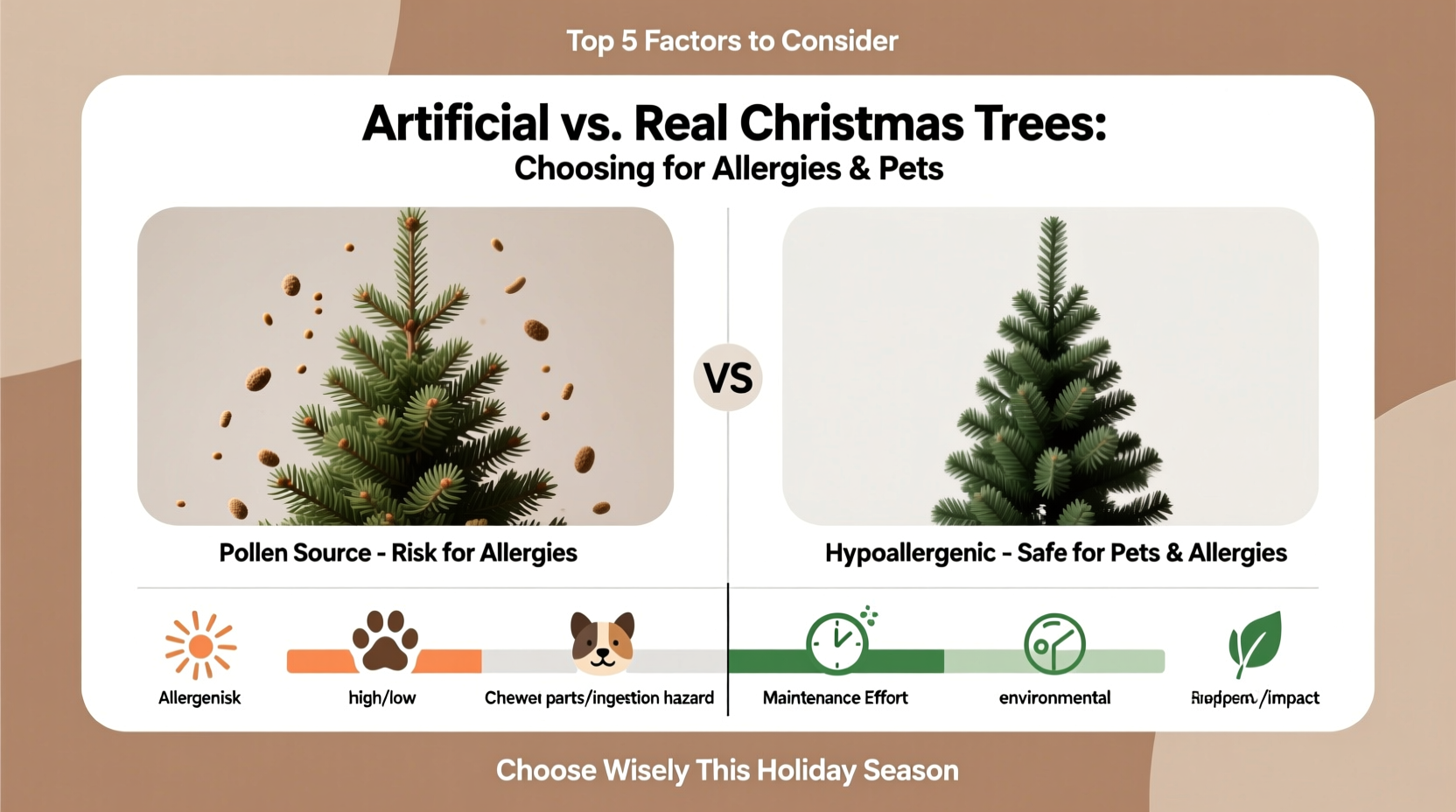
Seasonal allergies don’t take a holiday. In fact, certain elements of Christmas decor can worsen symptoms for those with sensitivities. When it comes to trees, allergens vary significantly between real and artificial options.
Real Christmas trees, typically species like fir, spruce, or pine, release natural oils and resins that produce that beloved forest scent. However, these same compounds can irritate individuals with respiratory conditions such as asthma or allergic rhinitis. Additionally, outdoor trees may carry pollen, mold spores, and outdoor debris—especially if stored in damp conditions before purchase. A 2021 study published in *Annals of Allergy, Asthma & Immunology* found that indoor mold counts increased by up to 500% within two weeks of bringing a live tree indoors.
“Even people without prior tree allergies can develop symptoms due to high mold and terpene exposure from live trees.” — Dr. Linda Cox, Board-Certified Allergist
Artificial trees, while free of pollen and sap, are not allergen-free. Most are made from polyvinyl chloride (PVC) and stored in garages or basements where dust mites, mold, and other allergens accumulate. When unpacked after months of storage, they can release a cloud of particulates into the air. Some lower-quality models may also emit volatile organic compounds (VOCs), especially when first unboxed, which can cause headaches or respiratory irritation in sensitive individuals.
Pet Safety: How Trees Impact Cats, Dogs, and Other Animals
Pets often react unpredictably to holiday changes. A new tree, whether real or artificial, becomes an object of fascination—and potential danger. Understanding the specific risks each tree type poses is essential for pet owners.
Real trees present several hazards. Pine needles are sharp and indigestible. If ingested, they can cause gastrointestinal blockages, mouth lacerations, or vomiting. The water in tree stands may contain fertilizers, preservatives, or bacteria that are toxic if drunk by pets. Even plain water can become a breeding ground for mold and algae over time. Cats, in particular, are drawn to climbing, and a poorly secured tree can topple under their weight, leading to injury or broken ornaments.
Artificial trees introduce different concerns. Many are constructed with metal frames and small, detachable parts that can be chewed off and swallowed. Electrical cords from lights pose a serious electrocution risk if bitten. Some older artificial trees were even treated with lead-based stabilizers, though modern versions are generally lead-free. Still, the plastic needles on some models can break easily and become choking hazards.
Comparing Risks: Real vs. Artificial Trees at a Glance
| Factor | Real Christmas Tree | Artificial Christmas Tree |
|---|---|---|
| Allergens | Pollen, mold spores, sap, terpenes | Dust, mold from storage, VOCs (new trees) |
| Pet Hazards | Sharp needles, toxic water, falling branches | Electrical cords, small parts, plastic shards |
| Lifespan | 1 season | 5–10+ years with care |
| Environmental Impact | Biodegradable; supports tree farming | Non-biodegradable; energy-intensive production |
| Maintenance | Daily watering, needle cleanup | Dusting, storage space required |
| Cost Over Time | $50–$100 per year | $100–$300 upfront, reusable |
This comparison highlights that neither option is universally safer. The best choice depends on your household’s specific needs, including the severity of allergies and the behavior of your pets.
A Step-by-Step Guide to Choosing the Right Tree for Your Home
Making an informed decision requires more than a quick glance at price tags. Follow this six-step process to select a tree that supports your family’s health and harmony.
- Assess allergy history. Talk to all household members about any respiratory issues, skin reactions, or past sensitivities to scents or dust. Keep a symptom log during previous holiday seasons if available.
- Evaluate pet behavior. Consider whether your pets are prone to chewing, climbing, or knocking things over. A hyperactive dog may be better suited to an artificial tree placed in a restricted area.
- Inspect storage conditions. If opting for artificial, ensure you have a cool, dry place to store the tree annually. Damp garages promote mold growth on stored materials.
- Set a realistic budget. While artificial trees cost more upfront, they pay off over time. Real trees require annual purchases and disposal fees in some areas.
- Test before committing. Visit a tree lot or showroom to experience the scent and texture firsthand. Bring a family member with allergies to gauge reactions.
- Prepare mitigation strategies. Plan how you’ll minimize risks—whether it’s using HEPA filters, securing the tree base, or choosing a hypoallergenic artificial model.
“Prevention is key. Knowing your triggers and planning ahead can make the difference between a joyful season and a medical visit.” — Dr. Rachel Kim, Pediatric Allergist
Real-Life Example: The Thompson Family’s Holiday Decision
The Thompsons of Portland, Oregon, faced a dilemma every November. Their 8-year-old daughter, Mia, had mild asthma, and their golden retriever, Max, loved investigating new objects. One year, they brought home a fresh-cut Douglas fir. Within days, Mia began coughing at night, and Max chewed through the tree skirt, swallowing several pine needles. A vet visit confirmed intestinal irritation, and their allergist linked Mia’s flare-up to elevated indoor mold levels.
The following year, they switched to a pre-lit artificial tree stored in sealed plastic bins. They wiped down each section with a damp cloth before assembly and placed the tree in a corner away from Max’s play area. They also installed an air purifier nearby. The result? No asthma episodes, no vet trips, and a stress-free holiday. “We missed the smell,” said Mrs. Thompson, “but we gained peace of mind.”
Their story illustrates that while personal preferences matter, health and safety should guide major decisions—especially when vulnerable family members are involved.
Action Checklist: Preparing a Safe and Healthy Holiday Tree
Whether you choose real or artificial, use this checklist to minimize risks and maximize enjoyment.
- ✔️ Vacuum and dust the room where the tree will go before setup
- ✔️ Choose a location away from pet traffic and high-activity zones
- ✔️ Secure the tree to a wall or ceiling anchor to prevent tipping
- ✔️ Use shatterproof ornaments and avoid tinsel (highly toxic if ingested)
- ✔️ Check all lights for frayed wires and use a timer to reduce fire risk
- ✔️ For real trees: rinse and dry before decorating; change water daily
- ✔️ For artificial trees: wipe down each section before assembling; ventilate the room when first unpacking
- ✔️ Install a HEPA air purifier near the tree to capture airborne allergens
- ✔️ Monitor pets closely during the first few days of tree presence
- ✔️ Remove the tree promptly after the holidays to reduce prolonged exposure
Frequently Asked Questions
Can artificial Christmas trees cause allergies?
Yes. Although they don’t produce pollen, artificial trees can accumulate dust, mold, and mites during storage. When unpacked, these allergens become airborne. New trees may also emit volatile organic compounds (VOCs) from plastics, which can irritate sensitive individuals. Wiping down the tree before use and ensuring good ventilation reduces these risks.
Are real Christmas trees safe for cats?
They can be risky. Cats may climb real trees, causing them to fall. Pine needles are sharp and toxic if ingested, potentially leading to intestinal damage. The tree water may contain harmful additives or bacteria. To improve safety, anchor the tree securely, avoid placing tempting toys on lower branches, and consider using a tree barrier or deterrent spray.
How long can I keep a real tree indoors to minimize health risks?
Most experts recommend displaying a real tree for no more than 10–12 days. After that, dehydration increases needle shedding, and mold growth accelerates in the stand water. Removing the tree soon after Christmas reduces allergen buildup and fire hazards from dry foliage.
Final Thoughts and Next Steps
The choice between artificial and real Christmas trees extends beyond tradition or appearance—it’s a health decision. For allergy sufferers, artificial trees with proper cleaning may offer fewer airborne triggers. For pet owners, either option demands vigilance, but artificial models often allow for greater control over placement and stability. There’s no one-size-fits-all answer, but there is a right answer for your home.
Start by evaluating your household’s unique needs. Talk to your allergist if symptoms have flared in past years. Observe your pets’ behaviors around new objects. And remember, small adjustments—like wiping down an artificial tree or rinsing a real one—can make a significant difference in comfort and safety.




 浙公网安备
33010002000092号
浙公网安备
33010002000092号 浙B2-20120091-4
Comments
No comments yet. Why don't you start the discussion?