
The holiday season brings warmth, tradition, and the familiar scent of pine — but it also brings a perennial question: Should you go with a real or artificial Christmas tree? While aesthetics and cost often dominate the conversation, two critical factors are frequently overlooked: allergies and long-term upkeep. For families managing respiratory conditions or those seeking low-maintenance decor, the right tree can mean the difference between comfort and discomfort, ease and frustration.
Real trees offer authenticity and fragrance, but they may introduce allergens into the home. Artificial trees promise reusability and consistency, but dust accumulation and material sensitivities can pose their own challenges. Understanding these trade-offs helps ensure your holiday experience is joyful — not hindered by sneezing fits or hours spent assembling and storing a bulky centerpiece.
Allergy Concerns: Real Trees and Natural Triggers
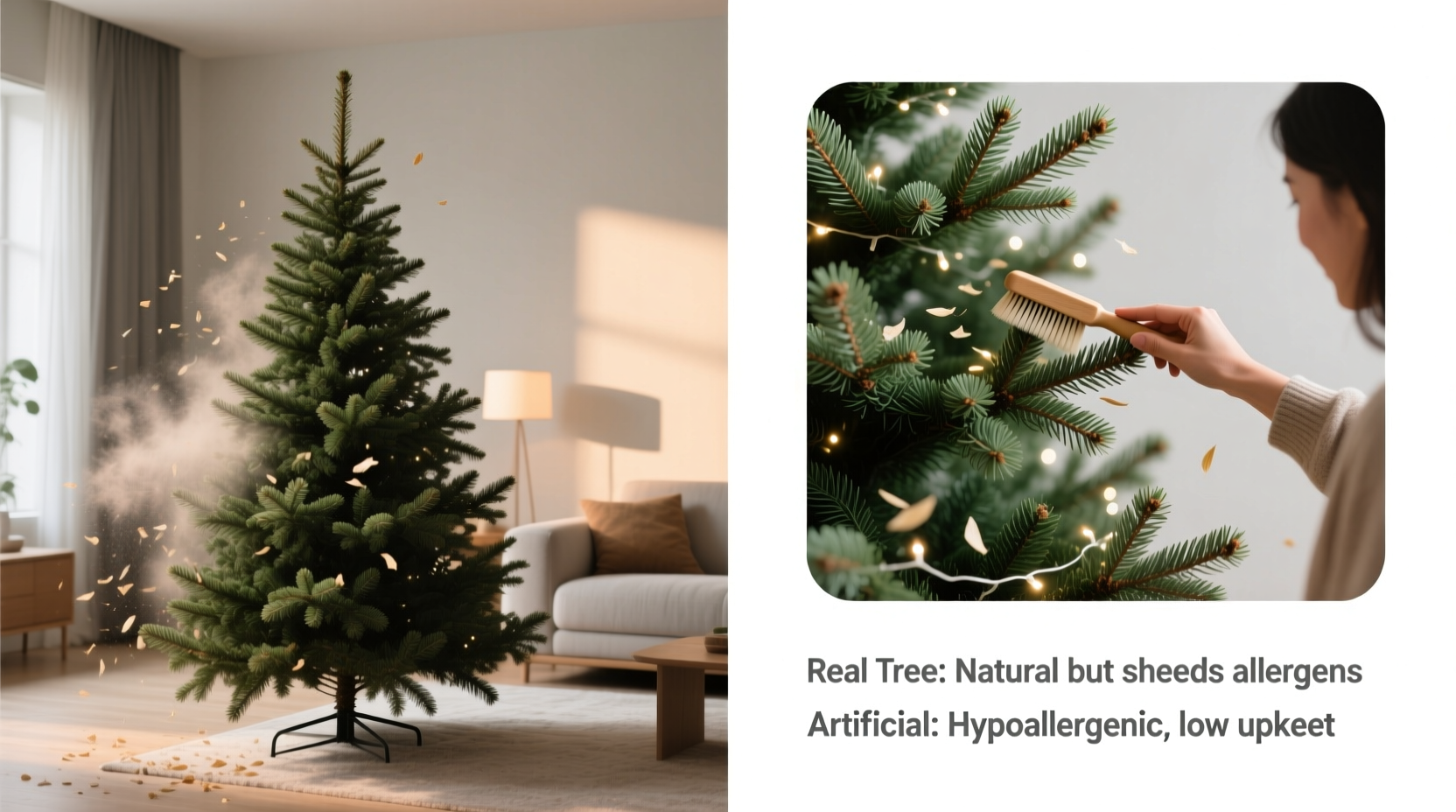
For individuals with seasonal allergies, asthma, or mold sensitivities, a real Christmas tree might be more than just a festive decoration — it could be a health hazard. Trees grown outdoors collect pollen, mold spores, and sap during their growing season. Once brought indoors, temperature changes can encourage dormant mold to become active, releasing spores into the air.
A 2011 study published in *Annals of Allergy, Asthma & Immunology* found that indoor mold counts increased fivefold within two weeks of placing a live tree inside a home. Participants reported worsened allergy symptoms, including nasal congestion, itchy eyes, and breathing difficulties. The issue isn’t limited to the tree itself — soil, bark, and even water in the tree stand can foster mold growth.
Pine resin and terpenes — natural compounds responsible for the fresh evergreen scent — can also irritate sensitive individuals. Though pleasant to most, these volatile organic compounds (VOCs) may trigger headaches or respiratory irritation in people with chemical sensitivities or chronic lung conditions.
Children and elderly family members, who often have more vulnerable immune systems, may be disproportionately affected. If someone in your household uses an inhaler, has frequent sinus infections, or complains of post-holiday fatigue, a real tree could be a contributing factor.
Artificial Trees: Dust, Materials, and Hidden Risks
At first glance, artificial trees seem like the safer option for allergy sufferers. Made from PVC or PE plastic, they don’t carry pollen or produce mold — at least not initially. But over time, stored in basements, attics, or garages, artificial trees accumulate dust, mold, and sometimes even insect residue.
When unpacked after months of storage, these contaminants become airborne during assembly. For people with dust mite allergies or allergic rhinitis, this sudden exposure can trigger coughing, sneezing, and eye irritation. One study from the Asthma and Allergy Foundation of America noted that poorly stored artificial trees were linked to increased indoor allergen loads, especially in homes without central HVAC filtration.
Beyond biological contaminants, some artificial trees contain flame retardants and phthalates — chemicals added to improve safety and flexibility. While generally considered safe in regulated amounts, these substances can off-gas slightly when exposed to heat or sunlight, potentially affecting indoor air quality. Individuals with multiple chemical sensitivities (MCS) may notice throat irritation or headaches near newly assembled artificial trees.
“Even synthetic decorations can impact air quality if stored improperly. A dusty artificial tree is no healthier than a moldy real one.” — Dr. Lena Patel, Environmental Health Specialist
The key is not necessarily the tree type, but how it’s maintained. An artificial tree cleaned and stored correctly poses minimal risk, while a neglected one becomes a reservoir for allergens.
Upkeep Comparison: Time, Effort, and Long-Term Costs
Upkeep goes beyond daily care — it includes setup, maintenance during display, and post-season storage. How much time and effort you’re willing to invest plays a major role in determining which tree suits your lifestyle.
| Care Factor | Real Tree | Artificial Tree |
|---|---|---|
| Daily Maintenance | Requires daily watering; needles shed within 2–4 weeks | No watering; minimal shedding if high-quality |
| Setup Time | 30–60 minutes (securing stand, trimming trunk) | 30–90 minutes (branch fluffing, alignment) |
| Storage | None — discarded annually | Requires large container; must be clean and dry |
| Lifespan | One season | 5–10+ years with proper care |
| End-of-Season Disposal | Curbside pickup or drop-off; eco-friendly if recycled | Store indoors; avoid moisture and pests |
Real trees demand consistent attention. Without daily watering, they dry out quickly, increasing fire risk and accelerating needle drop. Most municipalities offer recycling programs, turning trees into mulch — a sustainable end-of-life option. However, hauling a 7-foot spruce down icy steps or disassembling tangled lights adds physical labor to the equation.
Artificial trees eliminate annual shopping and disposal but require smart storage. A single season of damp storage can lead to mold development on branches, making next year’s setup a health hazard. Investing in a sturdy, rod-based tree with hinged branches reduces setup time significantly compared to older models requiring manual branch attachment.
Step-by-Step Guide to Choosing the Right Tree for Your Home
Making an informed decision requires assessing your household’s specific needs. Follow this timeline to evaluate and select the best tree type based on allergies and upkeep.
- Week Before Purchase: Assess Household Health Needs
Review medical histories. Note any asthma, allergies, or respiratory conditions. Consult with family members about past reactions to trees or strong scents. - Purchase Week: Research and Source Options
For real trees: Choose fresher cuts (look for flexible needles, sticky sap). Ask farms if trees are pesticide-free. For artificial: Look for hypoallergenic materials, easy-fluff designs, and certifications like “low-VOC” or “phthalate-free.” - Setup Day: Prepare the Environment
Use a HEPA air purifier in the room where the tree will be placed. Clean floors and surfaces beforehand to reduce overall allergen load. - First 72 Hours: Monitor Symptoms
Watch for signs of irritation — sneezing, coughing, watery eyes. Keep antihistamines on hand. If symptoms appear, consider removing the tree early. - Post-Holiday: Evaluate and Improve
After removal, note what worked and what didn’t. Did the real tree dry out too fast? Was the artificial tree difficult to assemble? Use insights for next year’s decision.
Mini Case Study: The Reynolds Family’s Tree Transition
The Reynolds family of four had always used real trees. For years, their Douglas fir stood proudly in the living room, decorated with heirloom ornaments. But three winters ago, their youngest daughter, Mia, began experiencing nighttime coughing and fatigue shortly after the tree went up. Pediatric testing revealed mild asthma, likely triggered by environmental allergens.
That December, they tried an artificial tree. Despite initial skepticism, they chose a premium pre-lit model with wide-tip branches designed to mimic real foliage. They cleaned the storage box thoroughly, wiped each branch with a microfiber cloth, and ran an air purifier nearby.
Mia showed no respiratory symptoms that season. Her peak flow readings remained stable throughout December and January. The parents admitted the artificial tree lacked the traditional scent, but they appreciated not having to water it or sweep needles daily. After two successful seasons, they’ve made the switch permanent — proving that health considerations can reshape traditions in positive ways.
Checklist: Choosing Based on Allergies and Upkeep
- ☐ Identify any household members with asthma, allergies, or chemical sensitivities
- ☐ Decide whether daily watering and needle cleanup are manageable
- ☐ Confirm available storage space for an artificial tree (minimum 5 ft x 1 ft container)
- ☐ Check if local recycling services accept real trees
- ☐ Test artificial tree materials for odor or irritation before full setup
- ☐ Plan for pre-cleaning: hose down real trees or wipe artificial branches
- ☐ Consider using a timer for tree lights to reduce heat and energy use
- ☐ Schedule annual replacement or deep cleaning of artificial tree components
Frequently Asked Questions
Can I reduce allergens from a real Christmas tree?
Yes. Shake the tree vigorously at the lot to remove loose debris. Hose it down outside and let it dry completely before bringing it indoors. Use a leaf blower on cool setting to clear hidden mold from branches. Change the water daily and remove the tree after 2–3 weeks to minimize mold growth.
Are fake trees better for people with allergies?
They can be — but only if properly maintained. A dusty or moldy artificial tree is worse than a clean real one. Always store your artificial tree in a sealed, dry container away from humidity. Wipe down branches with a damp cloth before assembling each year.
How long do artificial Christmas trees last?
A high-quality artificial tree can last 10 years or more with careful handling. Avoid yanking branches during setup, and never store it while damp. Cheaper models may degrade faster, with fading color and brittle tips appearing after 3–5 seasons.
Conclusion: Prioritize Health and Practicality This Holiday Season
The choice between artificial and real Christmas trees isn’t just about nostalgia or appearance — it’s about creating a safe, comfortable environment for everyone in your home. If allergies or respiratory issues are present, leaning toward a well-maintained artificial tree may offer significant relief. Conversely, if air quality isn’t a concern and you value tradition, a real tree can still be enjoyed with proactive cleaning and timely disposal.
Ultimately, the best tree is the one that enhances your holiday spirit without compromising health or peace of mind. By evaluating your household’s needs, planning for upkeep, and learning from past experiences, you can make a decision that brings joy — not sniffles — through the season.




 浙公网安备
33010002000092号
浙公网安备
33010002000092号 浙B2-20120091-4
Comments
No comments yet. Why don't you start the discussion?