
Selecting the right finish for your phone or tablet case is more than a matter of personal taste—it influences how your device feels in hand, how it resists wear, and even how often you’ll need to clean it. Matte and glossy finishes each come with distinct advantages and trade-offs. Understanding these differences helps you make an informed decision that aligns with your lifestyle, usage habits, and aesthetic preferences. Whether you prioritize elegance, practicality, or longevity, this guide breaks down every factor worth considering.
Differences in Texture and Feel
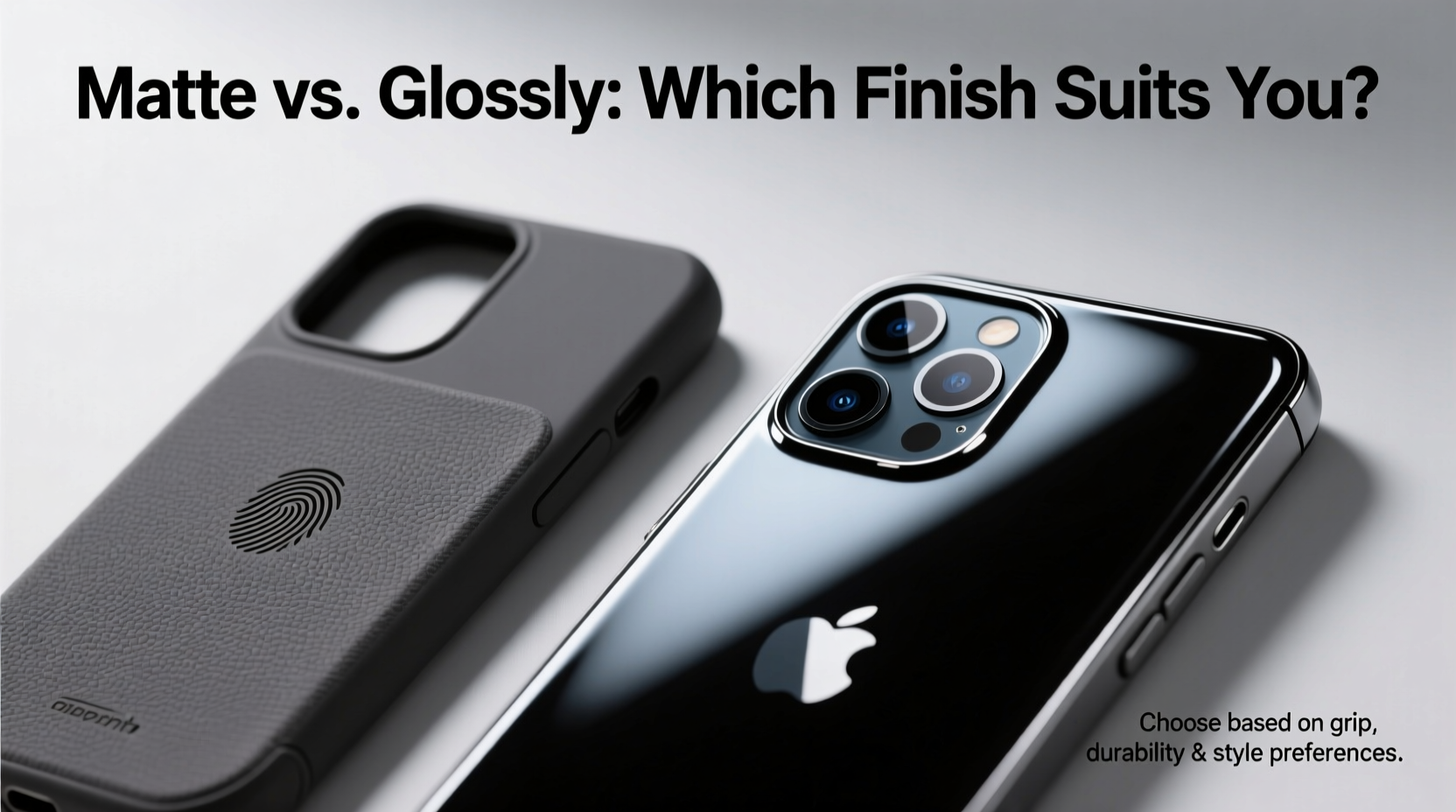
The most immediate difference between matte and glossy finishes lies in their tactile experience. A matte finish has a soft, velvety texture that’s smooth to the touch but not slippery. It often feels more substantial and premium, especially when made from materials like silicone or thermoplastic polyurethane (TPU) with a brushed coating.
In contrast, glossy finishes are slick and reflective, offering a polished look reminiscent of glass or lacquered surfaces. While they feel sleek, they can be prone to slipping out of hands—especially when used without a grip stand or protective sleeve.
Texture also affects comfort during extended use. Matte finishes tend to reduce finger fatigue because they don’t require as much tension to maintain a secure hold. Glossy cases may lead users to squeeze tighter to prevent drops, which over time can become tiring—particularly during long reading or video sessions.
Visual Appeal and Aesthetic Longevity
Aesthetics play a major role in the choice between matte and glossy. Glossy finishes enhance color vibrancy and give devices a high-end, showroom-like shine. They reflect ambient light beautifully, making them ideal for users who enjoy a bold, attention-grabbing look.
However, that same reflectivity can become a drawback under bright lighting or sunlight, where glare interferes with screen visibility. Matte finishes, on the other hand, diffuse light rather than reflect it, reducing glare and improving usability in outdoor environments or brightly lit rooms.
Over time, glossy surfaces show every fingerprint, smudge, and dust particle. These blemishes accumulate quickly and require frequent wiping. Matte finishes are far more forgiving—they mask oils and dirt effectively, maintaining a cleaner appearance with less effort.
“Glossy finishes deliver instant visual impact, but matte wins in real-world usability. Most users end up preferring matte once they experience how much less maintenance it requires.” — Jordan Lee, Product Design Consultant at TechStyle Labs
Durability and Resistance to Wear
Durability is where the two finishes diverge significantly. Matte coatings are typically more resistant to scratches and micro-abrasions. The textured surface hides minor scuffs and maintains its appearance longer, even after months of daily use. Many matte-finish cases are treated with anti-scratch coatings that further extend their lifespan.
Glossy finishes, while initially flawless, are more vulnerable to fine scratches and “swirl marks” caused by everyday contact with keys, pockets, or bags. Once scratched, the damage is highly visible due to the reflective nature of the surface. Some manufacturers apply hard coatings to improve scratch resistance, but these can degrade over time, especially if exposed to alcohol-based cleaners.
Fade resistance also varies. Matte finishes generally retain their color consistency better under UV exposure. Glossy plastics, particularly transparent or tinted ones, may yellow or fade when left in direct sunlight—for example, on a car dashboard or near a window.
| Feature | Matte Finish | Glossy Finish |
|---|---|---|
| Scratch Resistance | High – hides minor abrasions | Low – scratches are easily visible |
| Fingerprint Visibility | Low – resists smudges | High – shows oils immediately |
| UV & Fade Resistance | Good – maintains color longer | Fair to Poor – may yellow over time |
| Grip & Slip Resistance | Excellent – non-slip texture | Poor – slick surface increases drop risk |
| Cleaning Frequency | Low – stays clean-looking | High – requires constant wiping |
Hygiene and Maintenance Requirements
Maintenance is a crucial but often overlooked aspect of case selection. Glossy finishes demand regular cleaning to maintain their luster. A quick wipe with a microfiber cloth may suffice indoors, but after commuting or outdoor use, a deeper clean with a mild disinfectant might be necessary. However, caution is needed—alcohol and abrasive cleaners can dull or cloud glossy surfaces over time.
Matte finishes are inherently more hygienic in practice. Their porous-like texture doesn’t attract fingerprints, and many are treated with antimicrobial coatings. Cleaning is simpler: a damp cloth usually restores the surface without risking damage. Still, avoid soaking matte cases, as moisture can degrade the coating if it seeps into seams.
For users in healthcare, education, or high-touch environments, matte finishes offer a practical advantage. They stay presentable between cleanings and support better hygiene practices without compromising aesthetics.
Real-World Usage Scenarios
Consider Sarah, a freelance graphic designer who uses her tablet daily for client meetings, sketching, and presentations. She initially chose a glossy case for its sleek look and vibrant color. Within weeks, however, she noticed constant smudges from stylus use and hand oils. During back-to-back calls, the case became slippery, and she nearly dropped her device twice. After switching to a matte black case, she reported improved confidence in handling, fewer distractions from glare, and less time spent wiping the surface.
In another case, Mark, a college student, preferred the shiny red glossy case for his phone because it stood out among his peers’ devices. While he liked the look, he admitted to cleaning it multiple times a day and replacing it every six months due to visible scratches and fading edges. When he switched to a matte version of the same model, he found it lasted nearly twice as long and required minimal upkeep.
These examples highlight a recurring pattern: glossy finishes appeal strongly at first glance but often fall short in long-term satisfaction. Matte finishes may seem understated initially but deliver consistent performance across diverse usage patterns.
How to Choose Based on Your Lifestyle
Your daily routine should guide your decision. Ask yourself the following questions to determine the best fit:
- Do I frequently carry my device in a bag or pocket with keys or coins?
- Am I outdoors often or in bright environments?
- Do I prefer a minimalist, professional look or a flashy, expressive style?
- How often am I willing to clean my case?
- Have I dropped my device before due to slippage?
If you answered “yes” to the first, second, fourth, or fifth questions, a matte finish is likely the better option. It offers superior protection against scratches, reduces glare, and minimizes cleaning demands. If you value visual drama and keep your device in controlled, clean environments—such as a desk or clutch—a glossy finish might suit you, provided you commit to regular maintenance.
Checklist: Choosing the Right Finish
- ✅ Assess your grip habits – do you often fumble your device?
- ✅ Consider your environment – lots of sun, dust, or movement?
- ✅ Evaluate your cleaning tolerance – do you mind frequent wiping?
- ✅ Think about longevity – do you want a case that lasts a year or more?
- ✅ Match to your style – professional, subtle, bold, or trendy?
- ✅ Test in person if possible – feel the texture before buying.
FAQ
Can I change the finish of my current case?
No, you cannot alter the finish of an existing case without damaging it. However, you can apply a protective skin or decal with a different texture, though this may affect overall thickness and button responsiveness.
Are matte finishes more expensive?
Not necessarily. Price depends more on brand, material, and features than finish type. However, some premium matte coatings (like soft-touch paints) may add slight cost due to specialized manufacturing processes.
Do matte cases feel sticky over time?
Poor-quality matte finishes can degrade and develop a tacky feel, especially if exposed to oils or UV light. High-quality matte cases use durable coatings that resist stickiness for 12–18 months under normal use.
Final Recommendations
For most users, matte finishes represent the smarter long-term investment. They combine functional benefits—better grip, reduced glare, lower maintenance—with a timeless aesthetic that complements both professional and casual settings. They’re especially well-suited for parents, travelers, students, and professionals who rely on their devices throughout the day.
Glossy finishes still have their place. If you love a luxurious, mirror-like shine and keep your device in a controlled environment, a glossy case can elevate your tech’s appearance. Just be prepared for higher upkeep and a shorter visual lifespan.
Ultimately, the choice isn’t just about looks—it’s about how the case supports your real-life usage. Prioritize function alongside form, and you’ll enjoy both beauty and reliability.




 浙公网安备
33010002000092号
浙公网安备
33010002000092号 浙B2-20120091-4
Comments
No comments yet. Why don't you start the discussion?