
Selecting the right workout pants for running goes beyond style or brand preference. The ideal pair supports your movement, regulates body temperature, and prevents chafing or discomfort during long miles. Breathability is a critical factor—especially in warmer climates or high-intensity runs—because it helps wick moisture away, reduces overheating, and keeps you focused on performance rather than distractions. With so many options on the market, knowing what to look for can make all the difference between an enjoyable run and one cut short by irritation or restricted motion.
Why Breathability Matters in Running Pants
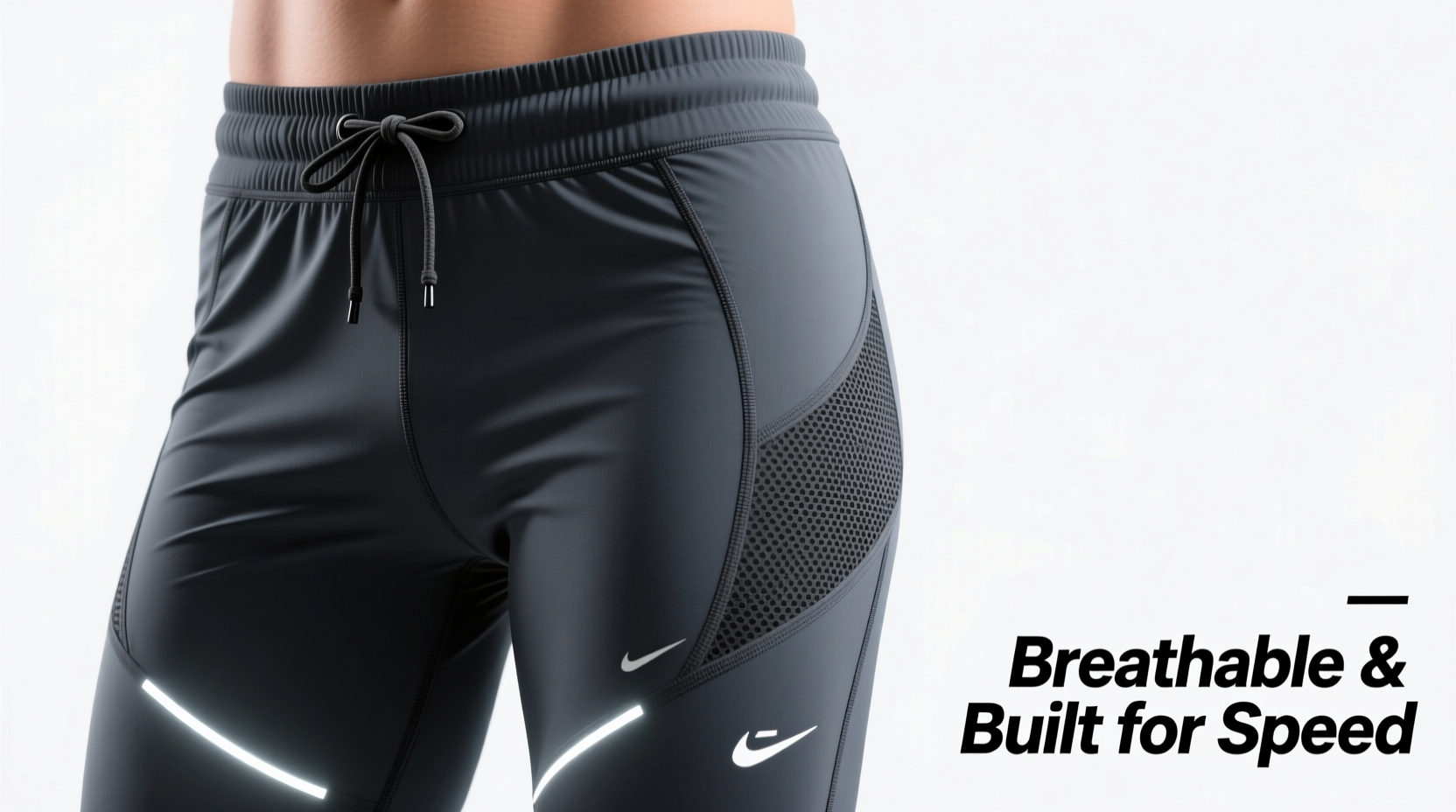
During a run, your body generates heat and sweat. If your clothing traps moisture against the skin, it creates a damp environment that leads to discomfort, increased friction, and even skin irritation or rashes. Breathable fabrics allow air to circulate and moisture to evaporate quickly, maintaining a balanced microclimate next to your skin.
Breathability also contributes to thermoregulation. When sweat evaporates efficiently, it cools the body naturally. Non-breathable materials, like heavy cotton or low-quality synthetics, hold onto moisture, making you feel clammy and potentially causing overheating in warm conditions.
Fabric Types That Deliver Real Breathability
Not all synthetic blends are created equal. The material composition of your running pants plays a decisive role in how well they breathe and perform under stress.
Polyester and nylon are common base materials in performance wear due to their durability and moisture-wicking properties. However, when engineered with advanced weaves or blended with elastane (spandex), they become even more effective. For example, fabrics treated with Dri-FIT (Nike), Climalite (Adidas), or Dryline (Under Armour) technologies enhance breathability through capillary action that pulls sweat to the outer surface of the fabric for faster evaporation.
Merino wool is another excellent option, particularly for cooler weather. Despite being a natural fiber, merino is highly breathable, odor-resistant, and capable of regulating temperature in both cold and mild conditions. It’s often blended with synthetic fibers to improve stretch and durability.
Avoid 100% cotton at all costs. Cotton absorbs moisture but doesn’t dry quickly, leading to a soggy, heavy feel mid-run. This increases the risk of chafing and blisters, especially over longer distances.
“Breathable running apparel isn’t just about staying cool—it’s about maintaining biomechanical efficiency. When runners aren’t distracted by discomfort, their form and endurance improve.” — Dr. Lena Torres, Sports Biomechanist and Performance Coach
Fit and Design Features That Enhance Airflow
A well-fitting pant enhances breathability not just through fabric, but through design. Tight garments may restrict circulation and trap heat, while overly loose ones create drag and can bunch up during motion.
The ideal fit is snug but not restrictive—close enough to minimize flapping fabric, yet flexible enough to allow full range of motion. Many modern running tights and pants use articulated patterning, which means the seams follow natural joint angles, reducing friction and improving airflow across moving muscles.
Design elements such as gusseted crotches, flatlock seams, and strategic ventilation panels further boost breathability and comfort. A gusset—a diamond-shaped piece of fabric inserted in the crotch—reduces tension and allows better leg movement, preventing overheating in sensitive areas.
| Feature | Benefit | Common In |
|---|---|---|
| Mechanical Stretch Fabric | Adapts to movement without losing shape | Premium running tights |
| Mesh Ventilation Zones | Targeted airflow where heat builds up | Performance joggers, track pants |
| Flatlock Seams | Reduces chafing and improves airflow under seams | High-end technical leggings |
| Ergonomic Patterning | Allows unrestricted motion and better ventilation | Competition-level gear |
Step-by-Step Guide to Choosing the Right Pair
Follow this practical process to ensure you select breathable running pants that meet your needs:
- Assess Your Climate and Season: In hot environments, prioritize lightweight, open-weave fabrics with high ventilation. For colder months, consider layered systems with a breathable base layer underneath wind-resistant outer pants.
- Check the Fabric Content Label: Aim for 80–95% polyester or nylon with 5–20% spandex for flexibility. Avoid anything with more than 10% cotton.
- Test Mobility: Before purchasing, simulate running motions—knee lifts, lunges, squats—to confirm the pants move with you without pulling or binding.
- Inspect Ventilation Details: Look for mesh inserts, perforated zones, or laser-drilled vents in high-sweat areas.
- Read User Reviews: Pay attention to comments about overheating, sweating, or stuffiness—these are direct indicators of breathability in real-world use.
- Wash and Wear Test: After first wash, check if the fabric retains softness and breathability. Some materials degrade or lose wicking ability after laundering.
Real Runner’s Experience: From Chafing to Comfort
James R., a recreational marathoner from Austin, Texas, struggled with overheating and thigh chafing during summer training. He initially wore standard gym sweatpants made of cotton-polyester blend, which he found comfortable off the track—but on runs over five miles, they became heavy and sticky.
After switching to a pair of moisture-wicking running tights with side mesh panels and a wide, non-compressive waistband, his experience changed dramatically. “I didn’t realize how much energy I was wasting adjusting my pants,” he said. “Now I stay dry, cool, and focused—even in 90-degree heat.”
His new pants, made from a 92% recycled polyester and 8% spandex blend, included reflective details for safety and a secure rear pocket for keys. The improvement wasn’t just physical; his confidence and consistency improved too.
Checklist: What to Look for in Breathable Running Pants
- ✅ Moisture-wicking fabric (polyester, nylon, or merino wool)
- ✅ Minimal or no cotton content
- ✅ Mesh or perforated ventilation in high-heat zones
- ✅ Snug but flexible fit with four-way stretch
- ✅ Flatlock or bonded seams to reduce chafing
- ✅ Gusseted crotch for freedom of movement
- ✅ Lightweight construction (under 300 gsm)
- ✅ Odor-resistant treatment (especially for frequent use)
- ✅ Secure pockets that don’t bounce during stride
- ✅ Reflective elements for low-light visibility
Frequently Asked Questions
Can I wear yoga pants for running?
Some yoga pants work for light jogging, but most aren’t optimized for running. They often lack sufficient ventilation, moisture management, or reinforced seams for repetitive motion. Dedicated running pants are designed with airflow, durability, and dynamic movement in mind.
How do I know if pants are truly breathable?
Hold the fabric up to light—if you can see small gaps in the weave, it likely allows airflow. You can also rub the fabric between your hands to generate heat; breathable materials will feel cooler faster due to moisture dispersion. Additionally, look for technical terms like “air-mesh,” “vented,” or “engineered knit” on product descriptions.
Are expensive running pants worth it?
Higher-priced options often use superior fabrics, ergonomic designs, and rigorous testing for performance. While budget options exist, investing in quality pays off in longevity, comfort, and injury prevention—especially if you run regularly. Focus on value, not just cost.
Final Thoughts: Run Cooler, Run Better
Your choice of running pants influences more than appearance—it affects your body’s ability to perform efficiently. Breathable workout pants help regulate temperature, reduce fatigue, and prevent discomfort that can derail your pace or motivation. By prioritizing advanced fabrics, smart design, and proper fit, you equip yourself for smoother, more enjoyable runs regardless of distance or conditions.




 浙公网安备
33010002000092号
浙公网安备
33010002000092号 浙B2-20120091-4
Comments
No comments yet. Why don't you start the discussion?