
As temperatures climb, your clothing choices can make the difference between enduring the heat and thriving in it. The right summer fabric doesn’t just feel better—it supports your body’s natural cooling process, reduces sweat buildup, and maintains breathability throughout the day. Yet, not all lightweight materials are created equal. Understanding the science behind fabric performance and style compatibility is essential for anyone who wants to stay cool, confident, and fashionable during the warmer months.
Why Fabric Choice Matters in Summer
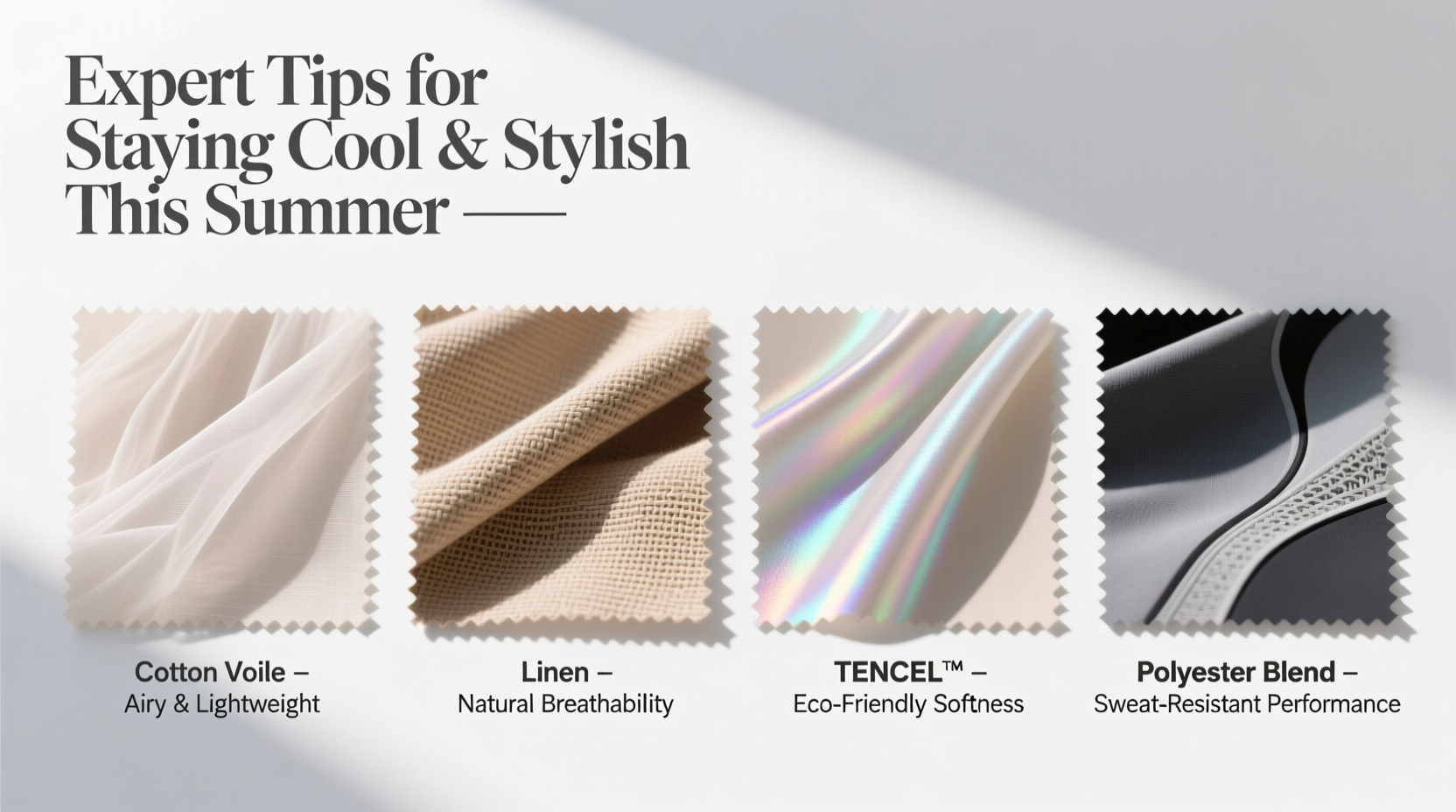
In high heat and humidity, your body relies heavily on evaporation to regulate temperature. Clothing acts as a barrier—either aiding or hindering this process. Synthetic blends may trap moisture, leading to discomfort and odor, while breathable natural fibers allow air circulation and wick sweat efficiently. Beyond comfort, the wrong fabric can contribute to skin irritation, overheating, and even reduced productivity in outdoor or active settings.
Fabrics also influence UV protection, wrinkle resistance, and overall aesthetic. A linen shirt might look effortlessly elegant but creases easily; a polyester blend resists wrinkles but may leave you feeling sticky. The goal is to balance function with form—choosing materials that support both physical well-being and personal style.
“Your clothing is your first layer of climate control. In summer, breathability and moisture management should be non-negotiable.” — Dr. Lena Torres, Textile Scientist at the Institute for Sustainable Apparel
Top 5 Summer Fabrics: Benefits and Drawbacks
Not every fabric performs equally under the sun. Here's a detailed comparison of the most common summer textiles based on breathability, moisture handling, durability, and style versatility.
| Fabric | Breathability | Moisture Wicking | Durability | Style Notes |
|---|---|---|---|---|
| Cotton | High | Moderate | Good (weakens when wet) | Classic, versatile, soft; prone to wrinkling |
| Linen | Excellent | High | Fair (can fray or tear if thin) | Rustic elegance; highly breathable but wrinkles instantly |
| Rayon (Viscose) | Good | Moderate | Poor (loses strength when wet) | Drapes beautifully; silky look but requires careful care |
| Hemp | Excellent | High | Very Good (strength improves with washes) | Eco-chic, durable, becomes softer over time |
| Lightweight Merino Wool | Good | Exceptional | Good (if properly cared for) | Surprisingly cool; odor-resistant and regulates temperature |
While cotton remains a go-to for many, its tendency to hold moisture means it can feel heavy and clammy in extreme heat. Linen, though less polished, outperforms in airflow and dries quickly. Hemp is emerging as a sustainable powerhouse—resilient, breathable, and ideal for eco-conscious wardrobes. And merino wool? It defies expectations by being one of the few animal fibers suitable for summer due to its fine weave and natural thermoregulation.
How to Evaluate Fabric Quality and Weave
A label saying “100% cotton” isn’t enough. The way a fabric is woven significantly impacts comfort. Tight weaves block airflow, while open constructions enhance ventilation. Seersucker, for example, uses alternating tight and loose threads to create puckered texture—this minimizes skin contact and promotes cooling.
Thread count matters less in summer than in bedding. For clothing, prioritize weight (measured in grams per square meter) and weave type. Lightweight cotton poplin (around 80–100 gsm) is crisp and airy, ideal for shirts. Voile and lawn weaves are sheer and breezy, perfect for blouses or summer dresses.
To test a fabric’s suitability:
- Hold it up to the light—visible gaps indicate breathability.
- Feel the texture—smooth, soft surfaces reduce friction and irritation.
- Stretch it slightly—good recovery means durability.
- Crush a small section—fabrics like linen and hemp will wrinkle immediately, which is normal.
Real Example: Choosing Outfits for a Hot City Weekend
Sophie, a marketing executive from Austin, Texas, planned a weekend trip to New Orleans in July. With temperatures exceeding 95°F (35°C) and high humidity, she needed outfits that would survive long walks, outdoor dining, and spontaneous events. Instead of packing her usual cotton tees and jeans, she opted for:
- A lightweight linen-blend button-down shirt
- Hemp-cotton blend chinos
- Merino wool blend tank top (for odor resistance during sightseeing)
- Rayon-chambray dress with a loose fit
She avoided dark colors and tight silhouettes. The result? She stayed cooler than her friends in synthetics, didn’t need to change clothes midday, and received compliments on her relaxed yet put-together style.
Smart Styling Tips for Heat and Fashion
Staying cool doesn’t mean sacrificing style. Strategic design choices amplify comfort without compromising aesthetics.
- Opt for loose silhouettes: Flowing cuts allow air to circulate around the body.
- Choose light colors: White, beige, and pastels reflect sunlight rather than absorb it.
- Layer thoughtfully: Use sheer or mesh layers for sun protection without trapping heat.
- Prioritize minimal seams: Fewer stitched areas reduce chafing and improve airflow.
- Select moisture-wicking linings: Especially important for structured garments like blazers or dresses.
Your Summer Fabric Checklist
Before purchasing or packing summer clothing, use this checklist to ensure maximum comfort and performance:
- ✅ Is the fabric natural or engineered for moisture management?
- ✅ Does the weave appear open or gauzy under light?
- ✅ Is the garment loose-fitting, not clingy?
- ✅ Are the colors light to reflect heat?
- ✅ Does the care label allow for easy washing and drying?
- ✅ Is it resistant to odor (e.g., merino or treated cotton)?
- ✅ Have I tested it in warm conditions before relying on it?
Frequently Asked Questions
Is polyester ever okay for summer?
Traditional polyester traps heat and sweat, making it a poor choice for hot weather. However, modern performance polyesters—especially those labeled “moisture-wicking” or “cooling technology”—are engineered for athletes and can be effective. Look for brands using recycled, breathable variants like Coolmax® or similar. Even then, they’re best reserved for high-activity scenarios, not all-day casual wear.
Can wool really be worn in summer?
Yes—specifically lightweight merino wool (typically 150–180 gsm). Its fibers absorb moisture vapor before it becomes sweat, helping regulate body temperature. Merino also resists odors, meaning fewer washes and longer wear. Many travelers and professionals favor merino t-shirts and travel suits for tropical climates because they pack light and perform well.
What’s the most eco-friendly summer fabric?
Hemp leads in sustainability: it requires minimal water, no pesticides, and enriches soil. Organic cotton and TENCEL™ (made from sustainably sourced wood pulp) are strong runners-up. Avoid conventional cotton, which is water-intensive, and rayon unless certified by Canopy or FSC due to deforestation concerns in viscose production.
Final Thoughts: Dress Smart, Stay Cool
Choosing the right summer fabric is more than a matter of preference—it’s an investment in comfort, health, and confidence. By understanding how different materials interact with heat and moisture, you can build a wardrobe that keeps pace with seasonal demands without sacrificing style. Prioritize natural, breathable fibers, pay attention to weave and fit, and don’t underestimate the power of thoughtful design.




 浙公网安备
33010002000092号
浙公网安备
33010002000092号 浙B2-20120091-4
Comments
No comments yet. Why don't you start the discussion?