
As temperatures drop, many dog owners face the same question: does my dog need a winter coat? While some breeds thrive in cold weather thanks to thick double coats, others—especially small, short-haired, or senior dogs—can struggle to stay warm. Choosing the right winter clothing isn’t just about fashion; it’s about protection, comfort, and health. The wrong gear can restrict movement, cause irritation, or fail when it matters most. This guide breaks down everything you need to know to select high-quality, long-lasting, and truly comfortable winter wear for your dog.
Understanding Your Dog’s Cold Weather Needs
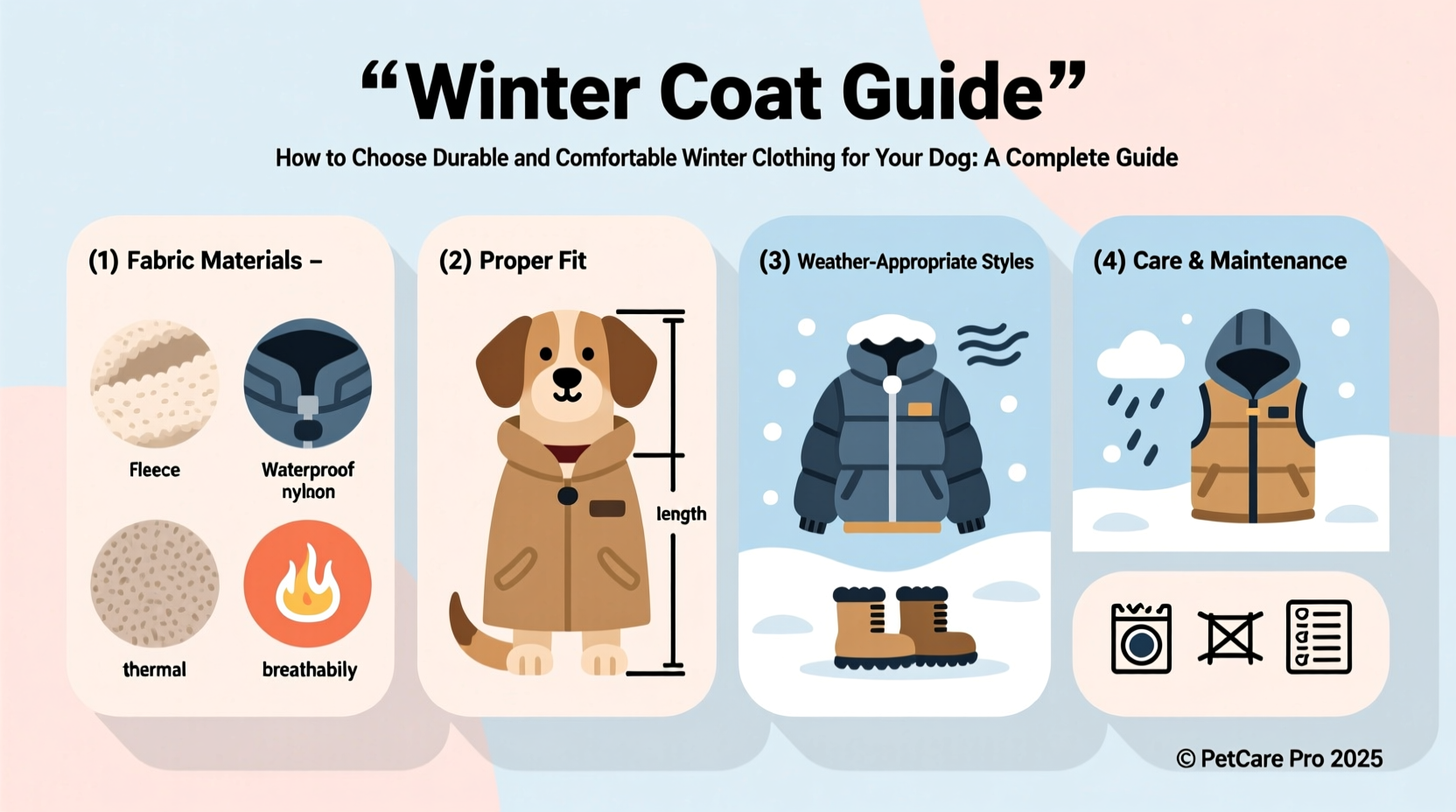
Dogs vary widely in their ability to tolerate cold. Factors like breed, size, age, body fat, and overall health all influence how well they handle low temperatures. Arctic breeds such as Siberian Huskies or Alaskan Malamutes are built for sub-zero conditions, while Chihuahuas, Greyhounds, or senior dogs may start feeling uncomfortable at 45°F (7°C) or lower.
Signs your dog may need extra protection include shivering, lifting paws off the ground, reluctance to go outside, or hunching their back. If your dog exhibits any of these behaviors in cold weather, it’s time to consider a coat or sweater.
“Not every dog needs a coat, but for those that do, proper insulation and coverage of the torso and chest can prevent hypothermia and joint stiffness.” — Dr. Lena Reyes, DVM, Canine Health Specialist
Key Features of Durable and Comfortable Dog Winter Wear
A quality dog coat should balance warmth, mobility, and resilience. Look for the following features when shopping:
- Insulating Material: Fleece, wool, or synthetic thermal linings (like Thinsulate) provide effective warmth without adding bulk.
- Water Resistance: A waterproof or water-resistant outer shell keeps snow and slush from soaking through.
- Secure Fit: Adjustable straps around the neck and belly ensure the coat stays in place without restricting movement.
- Reflective Details: For safety during early morning or evening walks.
- Easy On/Off Design: Look for front-loading designs or Velcro closures that make dressing less stressful.
- Reinforced Seams: Double-stitched or taped seams enhance durability, especially in active dogs.
Materials Compared: What Works Best
| Material | Warmth Level | Water Resistance | Durability | Best For |
|---|---|---|---|---|
| Fleece | Moderate to High | Low (unless coated) | Medium | Indoor/outdoor layering |
| Nylon Shell + Fleece Lining | High | High | High | Wet, snowy climates |
| Wool | High | Natural water resistance | Medium-High | Cold, dry environments |
| Synthetic Insulation (e.g., Thinsulate) | Very High | High | High | Active dogs in extreme cold |
Finding the Right Fit: Sizing and Comfort
A poorly fitting coat is worse than no coat at all. Too tight, and it restricts breathing and movement; too loose, and it slips or rubs, causing chafing. Always measure your dog before purchasing.
- Neck Circumference: Measure where the collar sits.
- Chest Girth: Wrap the tape around the widest part of the ribcage, behind the front legs.
- Back Length: From the base of the neck (where it meets the shoulders) to the base of the tail.
Refer to brand-specific size charts—there is no universal standard. When trying a coat on, ensure you can slip two fingers comfortably under any strap and that the garment doesn’t ride up when your dog moves.
Real Example: Helping a Senior Dog Stay Warm
Meet Daisy, a 12-year-old Dachshund living in upstate New York. Her owner noticed she was hesitant to go outside during winter and often trembled after brief walks. After consulting her vet, they learned Daisy’s thin build and aging joints made her susceptible to cold. They chose a high-necked, fleece-lined nylon coat with adjustable belly straps and reflective strips. Within days, Daisy was more willing to go on walks and showed no signs of discomfort. The coat lasted two full winters with proper care—hand-washed monthly and air-dried away from heat sources.
Step-by-Step Guide to Choosing the Best Winter Coat
Follow this process to make a confident, informed decision:
- Assess your dog’s needs: Consider breed, age, activity level, and local climate.
- Measure accurately: Use a soft tape measure and record neck, chest, and back length.
- Check for key features: Water resistance, insulation, secure fit, and ease of use.
- Read reviews: Look for feedback on durability, sizing accuracy, and comfort.
- Purchase and test: Try the coat during a short walk. Watch for signs of restriction or discomfort.
- Maintain properly: Follow washing instructions to preserve fabric integrity and warmth.
Common Mistakes to Avoid
- Choosing style over function: A cute design won’t help if the coat isn’t warm or waterproof.
- Ignoring the harness compatibility: Many dogs wear harnesses daily. Ensure the coat has a leash opening or fits comfortably over the harness.
- Skipping the trial period: Even with accurate measurements, fit can vary by brand. Allow time to return or exchange if needed.
- Over-layering: Dogs can overheat. Monitor behavior—panting or restlessness may indicate too much clothing.
Essential Care Tips to Extend Lifespan
Dog coats endure mud, snow, and constant movement. Proper maintenance ensures they last multiple seasons.
- Spot clean after muddy or wet walks using a damp cloth.
- Machine wash only if label permits, preferably in cold water on gentle cycle.
- Always air-dry—heat can melt adhesives, shrink fabrics, or damage insulation.
- Store in a dry, ventilated area. Avoid compressing for long periods, which reduces loft and warmth.
FAQ: Your Top Questions Answered
Do all dogs need winter coats?
No. Breeds with thick double coats (like Huskies or Bernese Mountain Dogs) typically don’t need extra layers unless exposed to extreme cold or wind. Small, short-haired, young, or elderly dogs benefit most.
Can I leave the coat on my dog indoors?
It’s not recommended. Dogs can overheat easily indoors. Remove the coat once inside to regulate body temperature and prevent sweating or skin irritation.
How often should I replace my dog’s winter coat?
With proper care, a high-quality coat lasts 2–3 years. Replace it if you notice torn seams, flattened insulation, broken straps, or poor fit due to weight changes.
Final Checklist Before Buying
- ✅ Is the coat appropriate for your climate?
- Wet/snowy areas need waterproof shells; dry cold allows for wool or fleece.
- ✅ Does it cover the chest and abdomen fully?
- These areas lose heat quickly.
- ✅ Is it compatible with your dog’s harness or collar?
- Look for leash access points or enough clearance.
- ✅ Are the closures secure but easy to manage?
- Vet-proof fasteners prevent escape; simple Velcro helps with quick dressing.
- ✅ Can it be cleaned easily?
- Machine-washable options save time and maintain hygiene.
Conclusion: Keep Your Dog Warm, Safe, and Happy
Choosing the right winter clothing for your dog is an act of care that pays off in comfort, health, and peace of mind. By focusing on durable materials, proper fit, and real-world functionality, you can find a coat that stands up to the elements and supports your dog’s lifestyle. Don’t guess—measure, research, and prioritize performance over appearance. A well-chosen winter coat isn’t just seasonal gear; it’s a tool for keeping your companion active and safe all winter long.




 浙公网安备
33010002000092号
浙公网安备
33010002000092号 浙B2-20120091-4
Comments
No comments yet. Why don't you start the discussion?