
Durable cushion covers are essential for homes, offices, or commercial spaces where furniture sees frequent use. Whether in a family living room, a bustling café, or a rental property, high-traffic areas demand upholstery that resists wear, fading, and stains. Choosing the right cushion cover isn’t just about aesthetics—it’s an investment in comfort, longevity, and cost-efficiency. With so many fabrics, weaves, and finishes available, making an informed decision can significantly extend the life of your cushions and maintain their appearance over time.
Understand Fabric Durability: The Foundation of Longevity
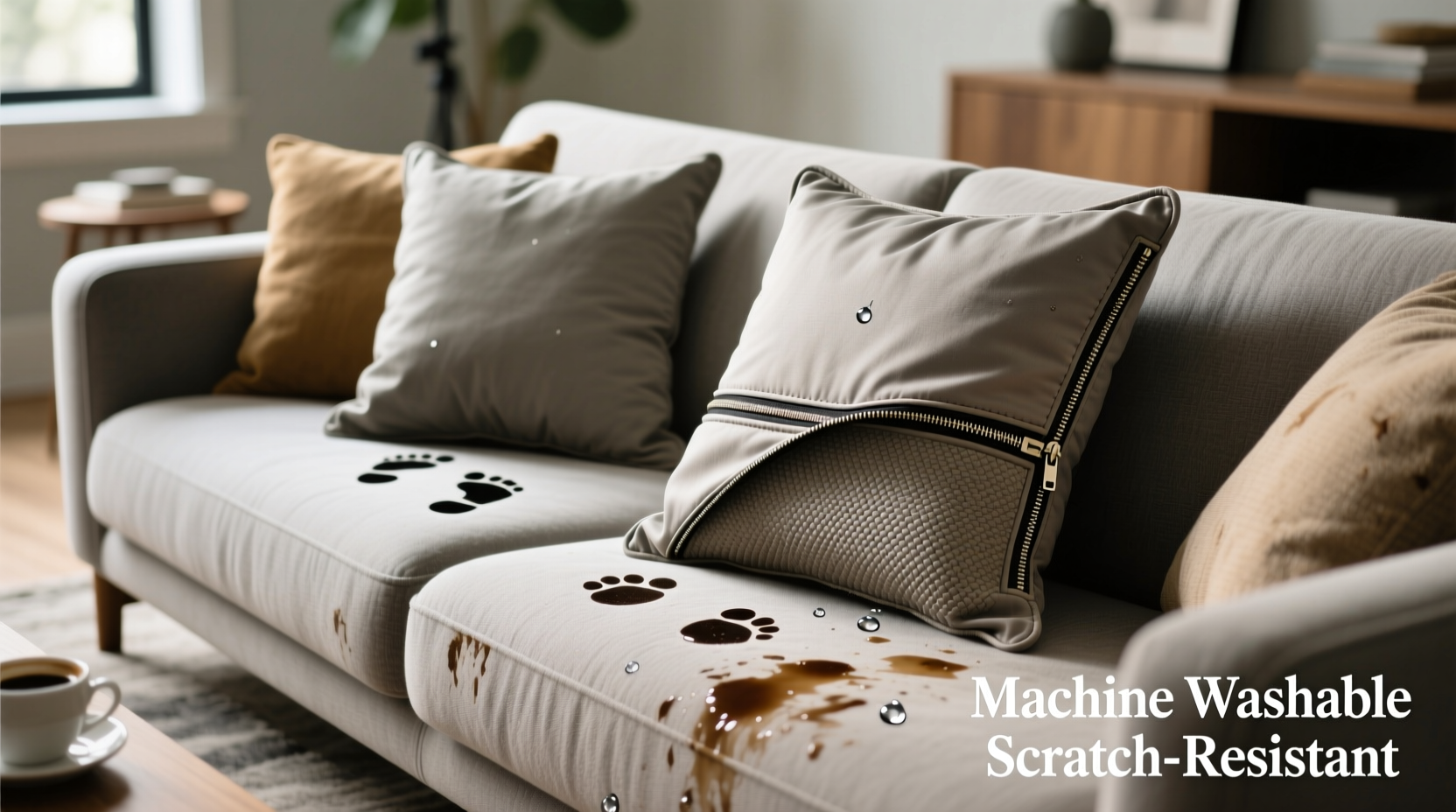
The fabric is the most critical factor when selecting a cushion cover for heavy use. Not all textiles are created equal—some degrade quickly under friction, sunlight, or spills, while others are engineered for resilience. Look beyond softness or color; focus on performance metrics like abrasion resistance, measured in double rubs (Martindale test).
Fabrics rated above 15,000 double rubs are considered suitable for residential high-traffic use, while those exceeding 30,000 are ideal for commercial environments like hotels or waiting rooms. Natural fibers like cotton or silk may feel luxurious but tend to pill and fade faster. Instead, prioritize synthetic blends or performance textiles designed for durability.
Top Fabrics for High-Traffic Cushion Covers
| Fabric Type | Abrasion Resistance (Double Rubs) | Pros | Cons |
|---|---|---|---|
| Olefin (Polypropylene) | 25,000–40,000+ | Stain-resistant, UV-stable, moisture-repellent | Less soft than natural fibers |
| Solution-Dyed Acrylic (e.g., Sunbrella®) | 30,000–50,000+ | Fades slowly, mold-resistant, easy to clean | Premium price point |
| Cotton Canvas (Heavyweight) | 12,000–18,000 | Breathable, natural look | Prone to staining and fading without treatment |
| Polyester Blends (with performance finish) | 20,000–35,000 | Affordable, wrinkle-resistant, wide color range | May retain odors if not ventilated |
| Leather & Faux Leather | 30,000+ (genuine); varies (faux) | Extremely durable, wipes clean easily | Faux can crack over time; genuine requires conditioning |
Among these, solution-dyed acrylic stands out for both indoor and outdoor applications due to its ability to resist fading from sunlight—a common issue in sunlit living rooms or patio furniture.
“Solution-dyed fabrics are colored during fiber production, not after. This means the pigment runs all the way through, so fading takes years, not months.” — Lena Patel, Textile Engineer & Sustainable Design Consultant
Construction and Seam Quality Matter
A strong fabric won’t last long if the seams fail first. Inspect stitching closely: tight, even stitches with reinforced corners indicate quality craftsmanship. Double-stitched or bar-tacked seams at stress points (like corners and closures) prevent premature tearing.
Zippers should be heavy-duty nylon or metal, preferably concealed or protected to avoid snagging. Avoid covers with loose hems or visible fraying—even minor defects can worsen quickly under daily use. If buying custom or removable covers, ensure they’re tailored to fit snugly; ill-fitting covers shift and crease more, accelerating wear.
Step-by-Step Guide: Choosing Your Durable Cushion Cover
- Assess the Environment: Is it indoors or outdoors? Exposed to sunlight? Used by children or pets?
- Determine Traffic Level: Occasional seating vs. daily use influences fabric choice.
- Check Abrasion Rating: Aim for 15,000+ double rubs for home use; 30,000+ for commercial.
- Evaluate Cleanability: Prefer machine-washable or wipe-clean materials for ease of maintenance.
- Inspect Stitching and Closure: Look for double stitching, reinforced corners, and sturdy zippers.
- Test for Fade Resistance: Choose solution-dyed or UV-treated fabrics if near windows or outdoors.
- Consider Removability: Removable, washable covers extend overall cushion life.
Real-World Example: A Busy Family Living Room
The Thompson family replaced their linen sofa cushion covers every nine months due to fading, pet stains, and pilling. After consulting an interior designer, they switched to removable, solution-dyed polyester-cotton blend covers with a 28,000 double-rub rating. The new covers resisted dog hair, wiped clean with a damp cloth, and retained color after two years of daily use. By investing $40 more per cover upfront, they saved over $300 in replacements and cleaning costs within three years.
Maintenance Tips to Extend Lifespan
Even the most durable covers require proper care. Establish a routine to preserve appearance and structural integrity:
- Rotate cushion covers monthly to distribute wear evenly.
- Vacuum weekly with a brush attachment to remove dust and debris.
- Treat spills immediately with a mild detergent and blot—never rub.
- Wash removable covers according to label instructions; air dry to prevent shrinkage.
- Avoid direct sunlight exposure using curtains or blinds when possible.
“Most cushion failures aren’t due to poor fabric—they stem from neglect. Ten minutes of weekly care can add years to your covers.” — Marcus Reed, Upholstery Maintenance Specialist
Do’s and Don’ts of Durable Cushion Cover Care
| Do’s | Don’ts |
|---|---|
| Use covers with removable, washable inserts | Machine-wash non-removable or dry-clean-only covers |
| Vacuum or brush off surface dirt regularly | Use bleach or abrasive cleaners on performance fabrics |
| Spot-test cleaning solutions on hidden areas | Leave wet spills unattended for hours |
| Store spare covers flat in breathable cotton bags | Fold and compress covers long-term, causing permanent creases |
| Apply fabric protectors annually (especially on indoor pieces) | Expose untreated cotton or linen to direct sunlight continuously |
FAQ
Can I use outdoor-rated fabric indoors?
Absolutely. Outdoor-rated fabrics like Sunbrella® are increasingly popular for indoor use due to their durability, stain resistance, and wide design options. They’re especially useful in homes with kids or pets.
Are expensive cushion covers worth it?
Yes, if they offer higher abrasion ratings, better construction, and easier maintenance. A $70 cover lasting five years is more economical than replacing $40 covers every 12–18 months.
How often should I replace cushion covers in high-traffic areas?
With proper care, quality covers should last 3–5 years in busy homes. Signs it’s time to replace include frayed seams, permanent stains, loss of shape, or noticeable thinning.
Final Checklist Before You Buy
- ✔ Abrasion rating ≥ 15,000 double rubs (≥30,000 for commercial)
- ✔ Solution-dyed or UV-protected fabric for sun-exposed areas
- ✔ Double-stitched seams and reinforced corners
- ✔ Heavy-duty zipper or secure closure system
- ✔ Removable and machine-washable (if possible)
- ✔ Manufacturer warranty or durability guarantee
Conclusion
Selecting durable cushion covers for high-traffic use combines smart material choices, attention to construction details, and consistent maintenance. Prioritizing performance over fleeting trends ensures your furniture remains comfortable, attractive, and functional for years. Whether you're furnishing a home, office, or hospitality space, investing in resilient covers reduces long-term costs and environmental impact. Make informed decisions today—your future self will appreciate the comfort and savings tomorrow.




 浙公网安备
33010002000092号
浙公网安备
33010002000092号 浙B2-20120091-4
Comments
No comments yet. Why don't you start the discussion?