
Selecting a gold ring is more than just a matter of aesthetics—it’s an investment in enduring value. Whether it’s an engagement band, wedding ring, or a statement piece, durability should be as central to your decision as design. Gold, while inherently valuable, varies widely in resilience based on alloy composition, craftsmanship, and daily wear considerations. Understanding how to balance beauty with structural integrity ensures your ring remains radiant and intact for decades.
Understand Gold Purity and Its Impact on Durability
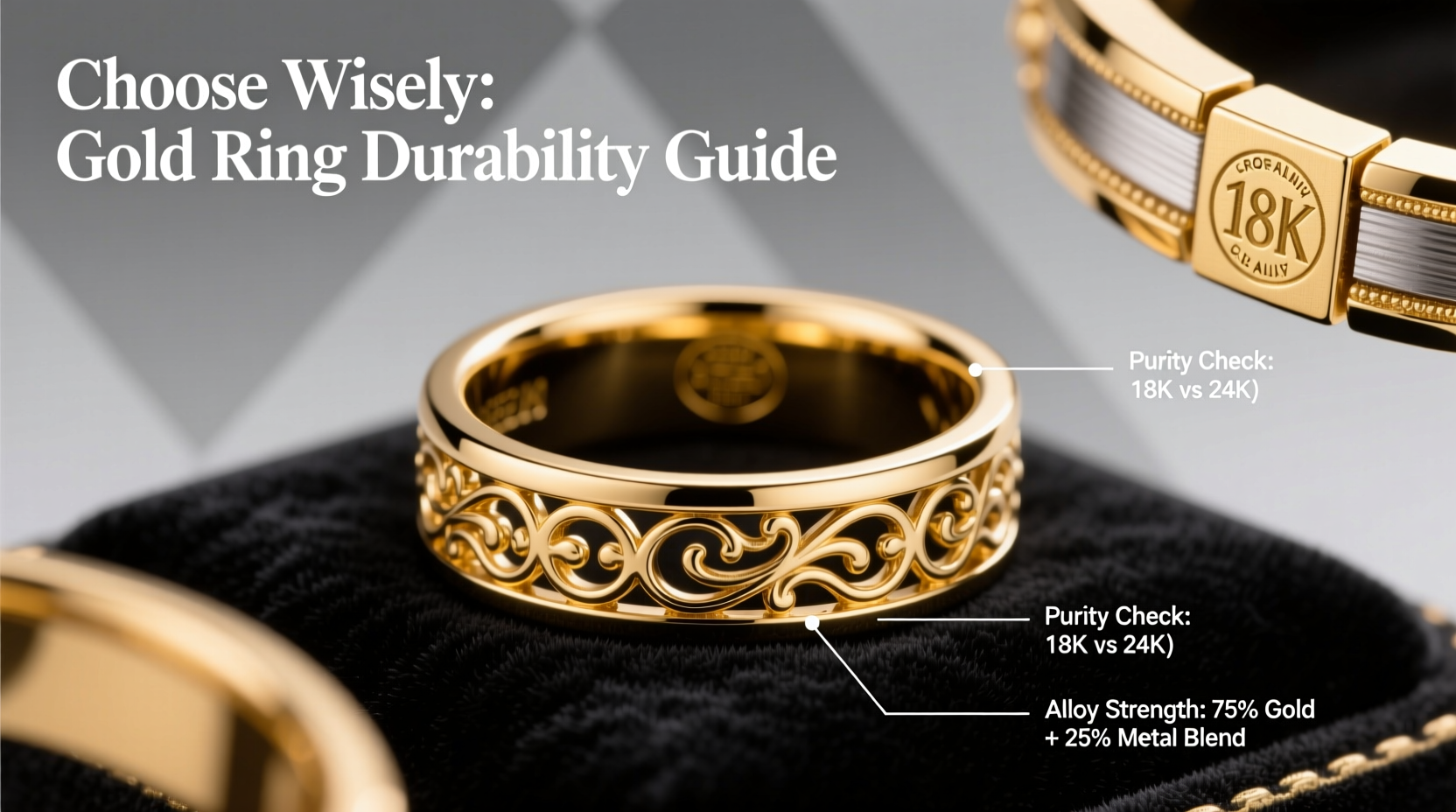
Gold is measured in karats, representing the proportion of pure gold in the alloy. While 24K gold is 99.9% pure, it’s too soft for everyday jewelry. Most durable gold rings are made from 10K, 14K, or 18K gold—each offering a different balance between purity and strength.
| Karat | Gold Content | Durability | Best For |
|---|---|---|---|
| 10K | 41.7% | High | Daily wear, active lifestyles |
| 14K | 58.3% | Moderate to High | Balanced elegance and resilience |
| 18K | 75% | Moderate | Ceremonial pieces, low-wear settings |
For rings worn daily, 14K gold is often recommended by jewelers. It maintains a rich color while being significantly more resistant to scratches and dents than higher-karat options. The added metals—typically copper, silver, or zinc—not only strengthen the alloy but can influence its hue, allowing for rose, white, or yellow variations.
Choose the Right Ring Setting and Design
The design of a ring plays a crucial role in its longevity. Intricate filigree, high-set stones, or thin bands may look stunning but are prone to damage under regular use. Simpler, low-profile designs tend to endure better.
Settings like bezel or flush mounts protect gemstones more effectively than prong settings, which can snag on fabrics and loosen over time. For engagement or wedding rings meant to last a lifetime, consider:
- Comfort-fit bands: These have a slightly curved interior, making them easier to wear daily without irritation.
- Matte or brushed finishes: These hide fine scratches better than high-polish surfaces.
- Thicker shanks: Rings with a band thickness of 2mm or more resist bending and deformation.
“Durability begins at the blueprint. A well-engineered ring considers stress points, weight distribution, and long-term wear patterns.” — Marcus Lin, Master Jeweler & GIA Graduate
Assess Craftsmanship and Construction Quality
No amount of gold purity can compensate for poor workmanship. Expertly crafted rings exhibit consistent symmetry, secure stone settings, and smooth joins between components. When evaluating craftsmanship, pay attention to:
- Solder joints: These should be seamless and free of bumps or discoloration.
- Stone security: Gemstones should not wobble or shift when gently pressed.
- Internal finish: Even the inside of the band should be polished—rough interiors cause skin irritation and accelerate wear.
- Hallmarks: Look for stamps indicating metal purity (e.g., “14K,” “585”) and manufacturer details.
Reputable jewelers provide certification or documentation for both metal authenticity and gemstone quality. Don’t hesitate to ask for a magnified inspection using a jeweler’s loupe—this reveals flaws invisible to the naked eye.
Mini Case Study: The Office Worker’s Ring Dilemma
Sophia, a graphic designer, purchased an 18K gold ring with a delicate milgrain edge and a raised center stone. Within six months, the prongs bent during routine computer work, and the detailing became misshapen. She replaced it with a 14K comfort-fit band featuring a bezel-set diamond. Two years later, it shows minimal wear despite constant typing and hand use. Her experience underscores that lifestyle compatibility is as vital as aesthetic appeal.
Follow a Proactive Maintenance Routine
Durability isn’t just about initial quality—it’s sustained through care. Even the strongest gold ring will degrade without proper maintenance. Establish a simple routine to preserve its condition.
Step-by-Step Care Timeline
- Daily: Wipe with a soft microfiber cloth after wear to remove oils and residue.
- Weekly: Soak in lukewarm water with mild dish soap; gently scrub with a soft toothbrush.
- Every 6 Months: Have a professional inspection for loose stones, worn prongs, or metal fatigue.
- Annually: Consider professional polishing or rhodium plating (for white gold) to restore luster.
Avoid ultrasonic cleaners for antique or vintage pieces, as vibrations can weaken aged metal. Store your ring separately in a fabric-lined box to prevent scratching from other jewelry.
Frequently Asked Questions
Can I resize a gold ring without weakening it?
Yes, but frequent resizing compromises structural integrity. Each time a ring is cut and re-soldered, the metal at the joint becomes a potential weak point. Limit resizing to once or twice over its lifetime, and always use a skilled jeweler.
Is white gold more durable than yellow gold?
In terms of alloy strength, they are comparable when matched in karat. However, white gold is often plated with rhodium, which enhances scratch resistance and brightness. This coating wears off over time and requires re-plating every 1–2 years for optimal appearance.
How do I know if a ring is built to last?
Look beyond sparkle. Examine weight distribution, band thickness, and join quality. A durable ring feels substantial but balanced. Ask the jeweler about warranty, repair services, and whether the design has been tested for everyday wear.
Final Checklist Before Purchase
- ✅ Confirmed karat stamp (e.g., 14K, 585)
- ✅ Band thickness of at least 1.8mm for women, 2mm+ for men
- ✅ Secure, low-profile stone setting
- ✅ Smooth internal finish and comfortable fit
- ✅ Professional craftsmanship with no visible flaws
- ✅ Warranty or lifetime service plan offered
- ✅ Matches your daily activities and lifestyle
Conclusion
Choosing a durable gold ring means looking beyond immediate beauty to long-term performance. The right combination of karat, design, and craftsmanship ensures your ring withstands the test of time—both physically and stylistically. By prioritizing resilience without sacrificing elegance, you invest in a piece that carries meaning, memory, and grace through the years.




 浙公网安备
33010002000092号
浙公网安备
33010002000092号 浙B2-20120091-4
Comments
No comments yet. Why don't you start the discussion?