
Slippers are more than just a cozy addition to your loungewear—they’re a daily investment in foot health, warmth, and relaxation. Among the most popular styles today are thick-soled cat slippers, known for their plush design, whimsical animal-inspired aesthetics, and superior cushioning. But not all cat slippers deliver on both comfort and durability. Many wear out quickly, lose shape, or fail to support the foot properly. Choosing the right pair requires attention to material quality, sole construction, fit, and long-term usability. This guide breaks down the essential factors that separate fleeting novelties from truly enduring, comfortable footwear you can rely on season after season.
Understand What Makes a Thick Sole Durable
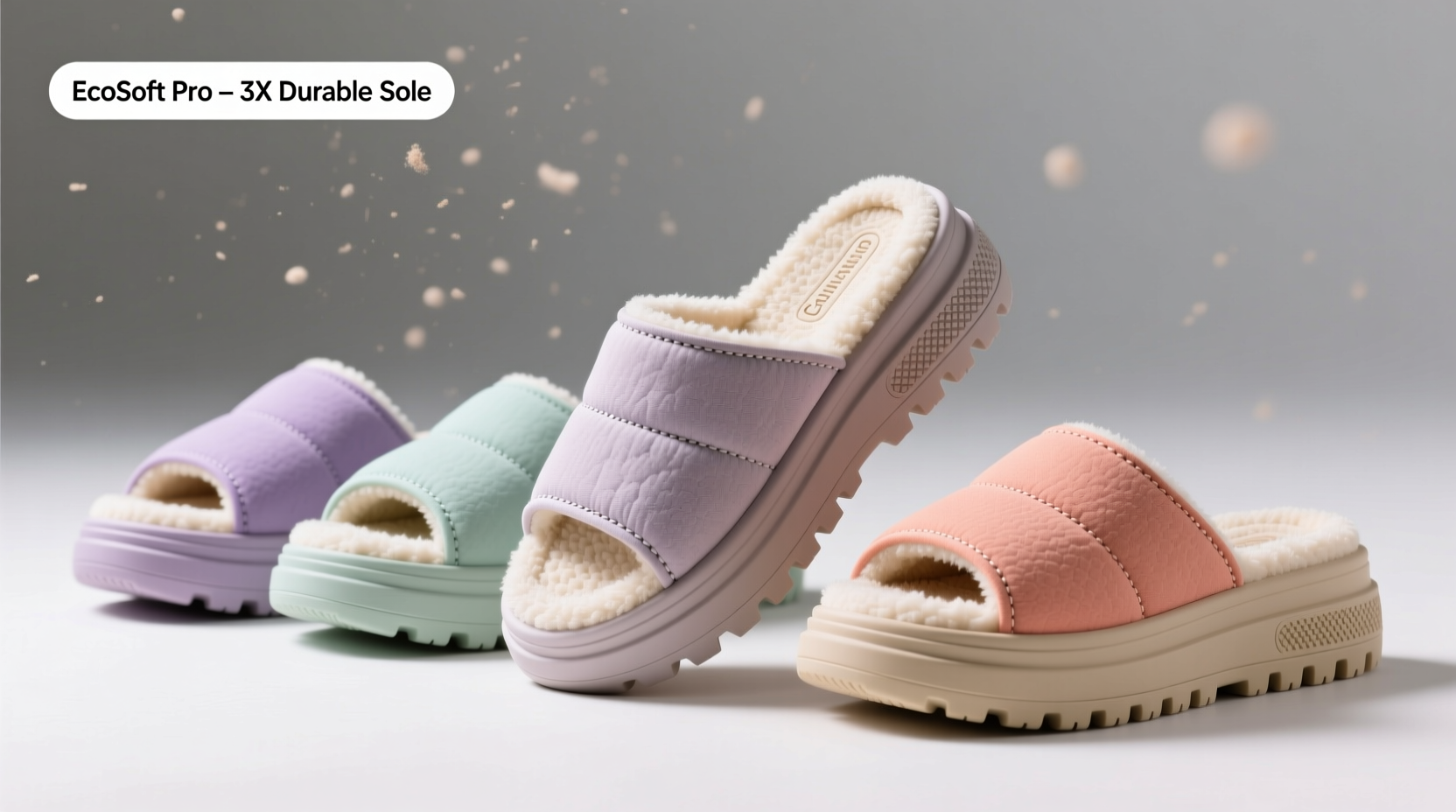
The thickness of a slipper’s sole is often marketed as a sign of comfort, but it doesn’t automatically mean durability. A thick sole made from low-density foam will compress over time, losing its bounce and support. In contrast, high-quality EVA (ethylene-vinyl acetate) or rubber compounds provide both cushioning and resilience. These materials resist compression, maintain shape, and offer better shock absorption, especially when walking on hard floors.
Durability also depends on how the sole is attached. Slip-lasted or cemented soles are common in house slippers, but stitching or molded-on soles tend to last longer because they resist separation from the upper. Look for slippers where the sole extends slightly beyond the toe and heel—this prevents premature edge wear from scuffing against floor edges.
Material Quality: Beyond the Cute Exterior
Cat slippers often feature soft faux fur, embroidered eyes, and floppy ears, which add charm but don’t contribute to function. The real test lies in the materials used for structural components. The upper should be made from tightly woven polyester, fleece, or wool blends that resist pilling and stretching. Avoid thin, loosely knitted fabrics that snag easily or flatten under pressure.
Lining is equally important. Breathable, moisture-wicking linings like brushed tricot or natural wool keep feet dry and prevent odor buildup. Some lower-end models use synthetic felt that traps heat and deteriorates after repeated exposure to sweat. For households with pets or kids, consider stain-resistant or machine-washable uppers to extend lifespan.
“Comfort isn’t just about softness—it’s about consistent support and material integrity over time.” — Dr. Lena Tran, Podiatric Ergonomics Researcher
Finding the Right Fit for Long-Term Comfort
A slipper that looks adorable but fits poorly will cause discomfort and accelerate wear. Ill-fitting slippers create friction points, leading to stretched seams, creased soles, and uneven tread wear. Always size according to your foot length, not shoe size, as many brands run small or large.
When trying on, ensure there’s about 0.5 inches of space between your longest toe and the front of the slipper. Your heel should stay securely in place without slipping—excessive heel lift causes dragging and sole degradation. If you have wide feet, look for models labeled “wide fit” or those with stretchable side panels.
| Fit Factor | What to Look For | Red Flags |
|---|---|---|
| Toe Room | 0.5 inch clearance | Toes pressing against front |
| Heel Hold | No slippage during walking | Constant readjustment needed |
| Arch Support | Subtle contour or removable insole | Completely flat interior |
| Width | No pinching on sides | Bulging at seams |
Step-by-Step Guide to Selecting the Best Pair
Follow this practical sequence to make a confident purchase decision:
- Measure your foot: Use a ruler or measuring tape to determine your exact foot length in centimeters or inches.
- Check brand sizing charts: Don’t assume standard shoe sizes apply—refer directly to the manufacturer’s guide.
- Evaluate sole composition: Prioritize EVA, rubber, or dual-density foam over thin sponge-like materials.
- Inspect construction: Look for reinforced stitching at stress points (toe box, heel, sole attachment).
- Review care instructions: Machine-washable options are easier to maintain and more hygienic over time.
- Read verified buyer reviews: Focus on feedback mentioning long-term use, sole durability, and fit accuracy.
- Test them at home: Walk on different surfaces, including hardwood and carpet, to assess stability and noise level.
Real-World Example: From Disappointment to Lasting Satisfaction
Sarah, a remote worker from Portland, bought her first pair of cat slippers online based solely on cuteness and price. Within six weeks, the soles had split at the arch, and the faux fur lining began shedding. She switched to a higher-end brand featuring molded EVA soles and double-stitched seams. Though the second pair cost nearly twice as much, they’ve lasted over 18 months with daily use. She attributes the difference to checking material specs and reading reviews that specifically mentioned “still good after a year.” Her experience underscores that initial savings often lead to higher long-term costs due to replacement frequency.
Dos and Don’ts of Cat Slipper Maintenance
Even the best slippers won’t last without proper care. Follow these guidelines to protect your investment:
| Do | Don't |
|---|---|
| Spot clean spills immediately | Soak the entire slipper unless machine washable |
| Air dry naturally away from direct heat | Use a dryer or radiator—can warp soles and shrink fabric |
| Rotate between two pairs | Wear the same pair every day without rest |
| Store in a cool, dry place | Leave them near entryways where moisture accumulates |
| Trim loose threads carefully | Pull at snags—can unravel stitching |
FAQ: Common Questions About Thick-Soled Cat Slippers
Can thick-soled cat slippers be worn outside?
Most are designed for indoor use only. While some models with rugged rubber soles can handle brief outdoor trips (like grabbing mail), regular outdoor use accelerates wear and introduces dirt and moisture that degrade materials faster.
How long should a good pair last?
With daily indoor use and proper care, high-quality cat slippers should last 12 to 24 months. Signs it’s time to replace them include permanent sole compression, visible sole separation, or loss of structural integrity in the upper.
Are there health benefits to thick soles?
Yes. Thick, supportive soles reduce impact on joints when walking on hard surfaces. They also provide thermal insulation and can help maintain consistent foot temperature, which is beneficial for circulation, especially in colder climates.
Final Checklist Before You Buy
- ✅ Measured my foot accurately
- ✅ Verified sizing with brand chart
- ✅ Confirmed sole material (EVA, rubber, etc.)
- ✅ Checked for secure sole attachment (stitched or molded)
- ✅ Ensured proper heel and toe fit
- ✅ Reviewed care instructions
- ✅ Read user feedback on durability and comfort
- ✅ Considered machine-washable options for hygiene
Make Comfort Last
Choosing durable thick-soled cat slippers isn’t about sacrificing style for substance—it’s about finding the sweet spot where both coexist. With thoughtful selection, attention to materials, and consistent care, you can enjoy cozy, supportive footwear that stays functional and adorable for years. Don’t settle for flimsy designs that fall apart after a few months. Invest in quality, prioritize fit and construction, and treat your feet to the comfort they deserve.




 浙公网安备
33010002000092号
浙公网安备
33010002000092号 浙B2-20120091-4
Comments
No comments yet. Why don't you start the discussion?