
Shin splints—medically known as medial tibial stress syndrome—are one of the most common overuse injuries among runners. Characterized by pain along the inner edge of the shinbone, they often result from repetitive stress, improper biomechanics, or inadequate footwear. While rest and recovery are essential, prevention starts long before symptoms appear. The right running shoe can dramatically reduce your risk by supporting your gait, absorbing impact, and aligning your lower limbs properly.
Choosing a shoe isn't just about brand loyalty or flashy design. It's about understanding your foot type, running style, and the specific demands you place on your body. This guide walks you through the science-backed principles of selecting running shoes that actively help prevent shin splints—so you can train smarter, longer, and with less discomfort.
Understand the Causes of Shin Splints
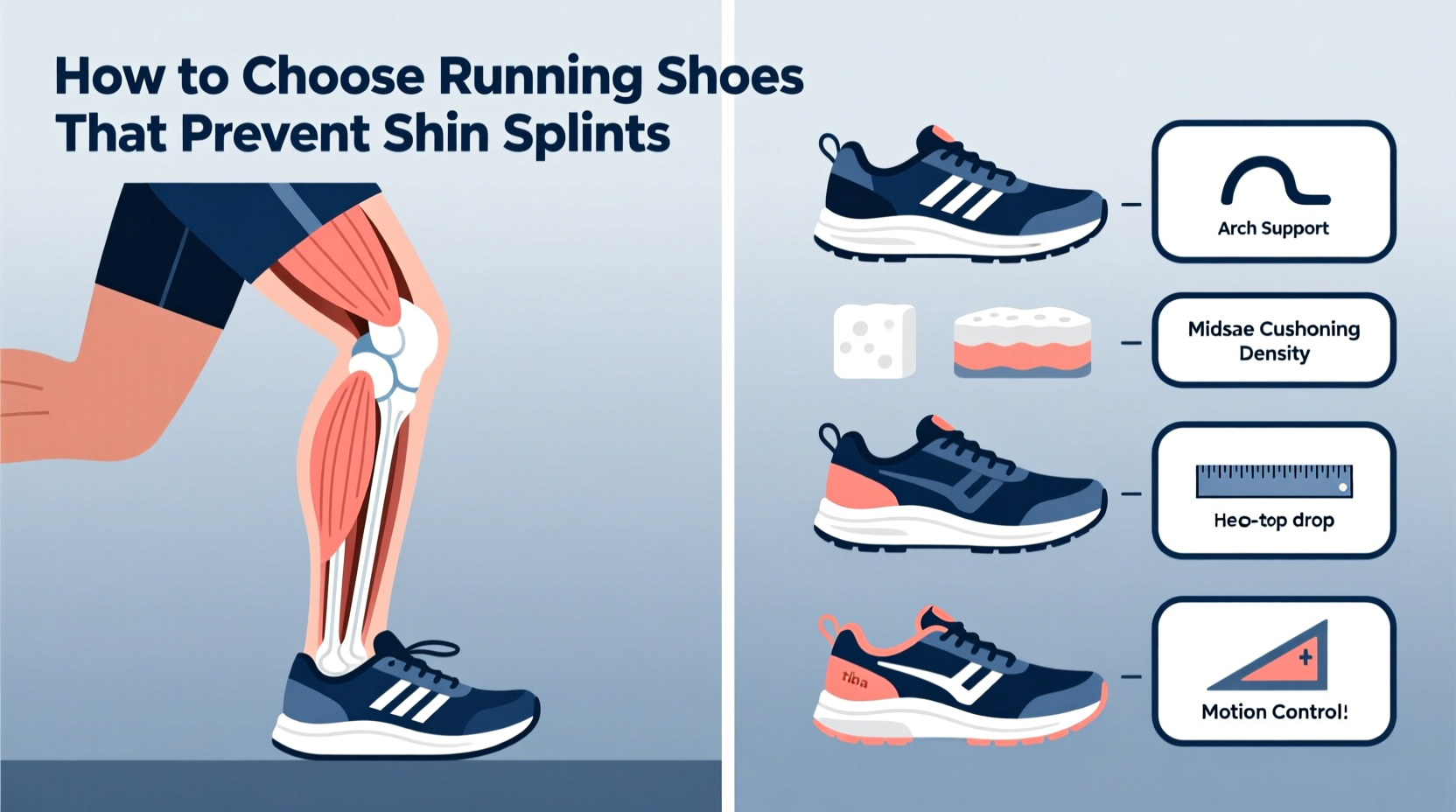
Before diving into shoe selection, it’s crucial to understand what causes shin splints. They typically develop when the muscles, tendons, and bone tissue around the tibia become overloaded. Common contributing factors include:
- Sudden increases in mileage or intensity – Doing too much too soon is a primary trigger.
- Running on hard surfaces – Concrete and asphalt amplify impact forces.
- Overpronation – Excessive inward rolling of the foot stresses the tibialis anterior muscle.
- High-impact stride patterns – Heel striking with stiff legs increases shock transmission.
- Inadequate footwear – Shoes lacking proper support or cushioning fail to absorb strain.
While training habits play a major role, footwear acts as the first line of defense. A well-chosen shoe mitigates many of these risk factors by improving shock absorption, guiding foot motion, and reducing muscular fatigue.
Know Your Foot Type and Gait Pattern
Your foot structure determines how your body absorbs impact and distributes force. Misalignment due to flat feet, high arches, or abnormal gait can directly contribute to shin splints. Identifying your foot type is the foundation of choosing the right shoe.
Three Primary Foot Types
- Flat Feet (Overpronators): The arch collapses excessively upon footstrike, causing the ankle to roll inward. This strains the tibialis posterior muscle along the shin.
- Neutral Arches: Balanced weight distribution with moderate pronation. Ideal for standard stability or neutral shoes depending on other factors.
- High Arches (Supinators): Limited natural shock absorption due to rigid foot structure. Often leads to underpronation and increased impact on the outer edge of the foot and shin.
To determine your foot type, try the “wet test”: wet the sole of your foot and step onto a piece of cardboard. If you see a full footprint, you likely have flat feet. A thin strip connecting heel and forefoot indicates high arches. A balanced curve suggests a neutral arch.
For a more accurate assessment, visit a specialty running store that offers gait analysis. Many use treadmills with slow-motion video to observe how your foot strikes and rolls during running.
“Gait analysis isn’t just for elite runners. Even recreational athletes benefit from knowing how their feet move under load.” — Dr. Lena Torres, Sports Podiatrist
Key Shoe Features That Prevent Shin Splints
Not all running shoes are created equal when it comes to injury prevention. Focus on these five critical features to reduce your risk of developing shin splints.
1. Cushioning Level
Adequate midsole cushioning absorbs impact forces that travel up the leg to the shin. Runners with high arches or those who run on hard surfaces especially benefit from maximal or moderate cushioning.
Look for materials like EVA foam, PU, or proprietary compounds such as Adidas’ Boost, Nike’s React, or Brooks’ DNA Loft. These offer responsive yet soft landings without collapsing under pressure.
2. Stability and Motion Control
If you overpronate, a stability shoe with a dual-density midsole or medial post helps control excessive inward roll. This reduces torque on the lower leg and prevents overworking of the shin muscles.
Examples include the ASICS GT-2000, Saucony Guide, and Brooks Adrenaline GTS. Avoid overly rigid motion-control shoes unless prescribed, as they can restrict natural movement.
3. Heel-to-Toe Drop
The drop—the height difference between heel and forefoot—affects calf and shin loading. Traditional shoes have a 8–12mm drop, which reduces strain on the Achilles and calf but may increase demand on the anterior tibialis (shin muscle) during toe-off.
Runners prone to shin splints might benefit from a moderate drop (6–8mm), which balances comfort and muscle engagement. Transitioning to low-drop shoes (<6mm) should be done gradually to avoid new strain patterns.
4. Fit and Toe Box Space
A shoe that’s too tight restricts natural foot splay, altering gait mechanics. Conversely, a loose heel causes micro-sliding, forcing the shin muscles to work harder to stabilize the foot.
Ensure a thumb’s width (about 1 cm) between your longest toe and the end of the shoe. The heel should be snug but not pinched, and the midfoot should feel secure without pressure points.
5. Flexibility and Weight
While cushioning is important, an overly stiff or heavy shoe can disrupt natural stride rhythm. Excess weight increases fatigue, leading to poor form and higher injury risk later in runs.
Choose a shoe that bends naturally at the ball of the foot and feels light enough to promote efficient turnover.
| Feature | Recommended for Shin Splint Prevention | Avoid If… |
|---|---|---|
| Cushioning | Moderate to high (especially for high arches) | You prefer minimalist feel without adaptation period |
| Stability | Present in mild to moderate form for overpronators | You have neutral or supinated gait |
| Drop | 6–10mm for balanced loading | You’re unaccustomed to low-drop transitions |
| Fit | Snug heel, roomy toe box | Too narrow or too long |
| Weight | Light to average (7–10 oz for men) | Excessively heavy or rockered soles |
Step-by-Step Guide to Choosing the Right Shoe
Selecting the ideal running shoe involves more than browsing online reviews. Follow this structured process to make an informed decision.
- Determine your foot type using the wet test or professional assessment.
- Visit a specialty running store for gait analysis and personalized recommendations.
- Try on multiple models in the afternoon when feet are slightly swollen (as they are during runs).
- Wear your typical running socks and orthotics if used.
- Walk and jog in the shoes on a treadmill or store track to assess comfort and stability.
- Evaluate key zones: heel lock, midfoot containment, toe wiggle room, and arch support.
- Check return policy—some stores allow trial runs before final purchase.
- Break in gradually—don’t start long distances in new shoes immediately.
Real Runner Example: Recovering from Recurrent Shin Splints
Jessica, a 32-year-old recreational runner, began experiencing sharp shin pain after increasing her training for a half-marathon. Despite stretching and icing, the discomfort returned every time she resumed running.
After visiting a sports clinic, she learned she had flat feet and was wearing neutral cushioned shoes that offered no support. Her overpronation was pulling her shins out of alignment with every step.
She switched to a stability shoe with moderate cushioning and a 8mm drop—specifically the Brooks Adrenaline GTS 22. Combined with custom orthotics and a reduced mileage plan, her symptoms resolved within six weeks. Now, she runs consistently without pain and credits her recovery to proper footwear alignment.
Her experience underscores a vital point: even minor biomechanical mismatches can lead to persistent injuries if left unaddressed.
Common Mistakes to Avoid
Even well-intentioned runners make errors when selecting shoes. Steering clear of these pitfalls improves your chances of staying injury-free.
- Buying based on looks or price alone – Function should always trump fashion.
- Assuming one shoe fits all conditions – You may need different shoes for roads vs. trails.
- Ignoring wear patterns – Replace shoes every 300–500 miles; worn-out cushioning increases injury risk.
- Overvaluing brand loyalty – Models change yearly; your favorite shoe may no longer suit your needs.
- Skipping the break-in period – Jumping into long runs too soon can cause blisters and strain.
“The best running shoe is the one that matches your biomechanics, not the one with the most advertising.” — Mark Delaney, Certified Running Coach
FAQ: Frequently Asked Questions
Can minimalist shoes cause shin splints?
Yes, especially if adopted too quickly. Minimalist shoes have little cushioning and low drop, shifting load to the calves and shins. Without gradual adaptation, this sudden increase in demand can trigger shin splints. Transition slowly over several months and strengthen lower leg muscles beforehand.
How often should I replace my running shoes?
Every 300 to 500 miles, depending on your weight, gait, and surface. Signs of wear include flattened midsoles, creasing in the foam, uneven outsole wear, or recurring aches. Keeping a log of mileage helps track replacement timing.
Do orthotics help prevent shin splints?
They can, particularly for runners with overpronation or flat feet. Custom or over-the-counter orthotics provide additional arch support, reducing strain on the tibialis posterior. However, they should complement—not replace—a properly fitted shoe.
Final Checklist Before You Buy
- ✅ I know my foot type (flat, neutral, high arch)
- ✅ I’ve had a gait analysis (in-store or via video)
- ✅ The shoe has appropriate cushioning for my weight and surface
- ✅ It provides stability if I overpronate
- ✅ The heel-to-toe drop suits my running mechanics
- ✅ There’s enough room in the toe box (no crowding)
- ✅ The heel locks securely without slipping
- ✅ I’ve tested it with real movement (walking/jogging)
- ✅ The store allows returns or exchanges
Take Action Today to Protect Your Runs
Preventing shin splints isn’t just about reacting to pain—it’s about proactively building a foundation of smart choices. Your running shoes are more than gear; they’re a critical component of your biomechanical system. Investing time in selecting the right pair pays dividends in performance, comfort, and long-term joint health.
Don’t wait for discomfort to dictate your decisions. Visit a specialty running store, analyze your gait, and put on a few well-matched options. Small adjustments in footwear can lead to major improvements in how your body handles the miles.




 浙公网安备
33010002000092号
浙公网安备
33010002000092号 浙B2-20120091-4
Comments
No comments yet. Why don't you start the discussion?