
The holiday season brings joy, warmth, and a chance to decorate our homes with festive cheer. But for pet owners—especially those with cats that leap at dangling objects or dogs that knock over anything within reach—traditional glass ornaments can turn into safety hazards. A broken ornament isn’t just a cleanup nightmare; it can lead to cuts, ingestion of sharp fragments, or stress for both pet and owner. The solution? Thoughtfully chosen shatterproof ornaments that maintain the spirit of the season without compromising safety.
Selecting the right decorations goes beyond simply avoiding glass. True shatterproof options are made from durable materials, designed with secure hanging mechanisms, and styled to minimize temptation for curious paws. With a growing market offering everything from silicone snowmen to fabric-wrapped stars, making an informed choice ensures your holidays stay joyful—not stressful.
Why traditional ornaments pose a risk to pets
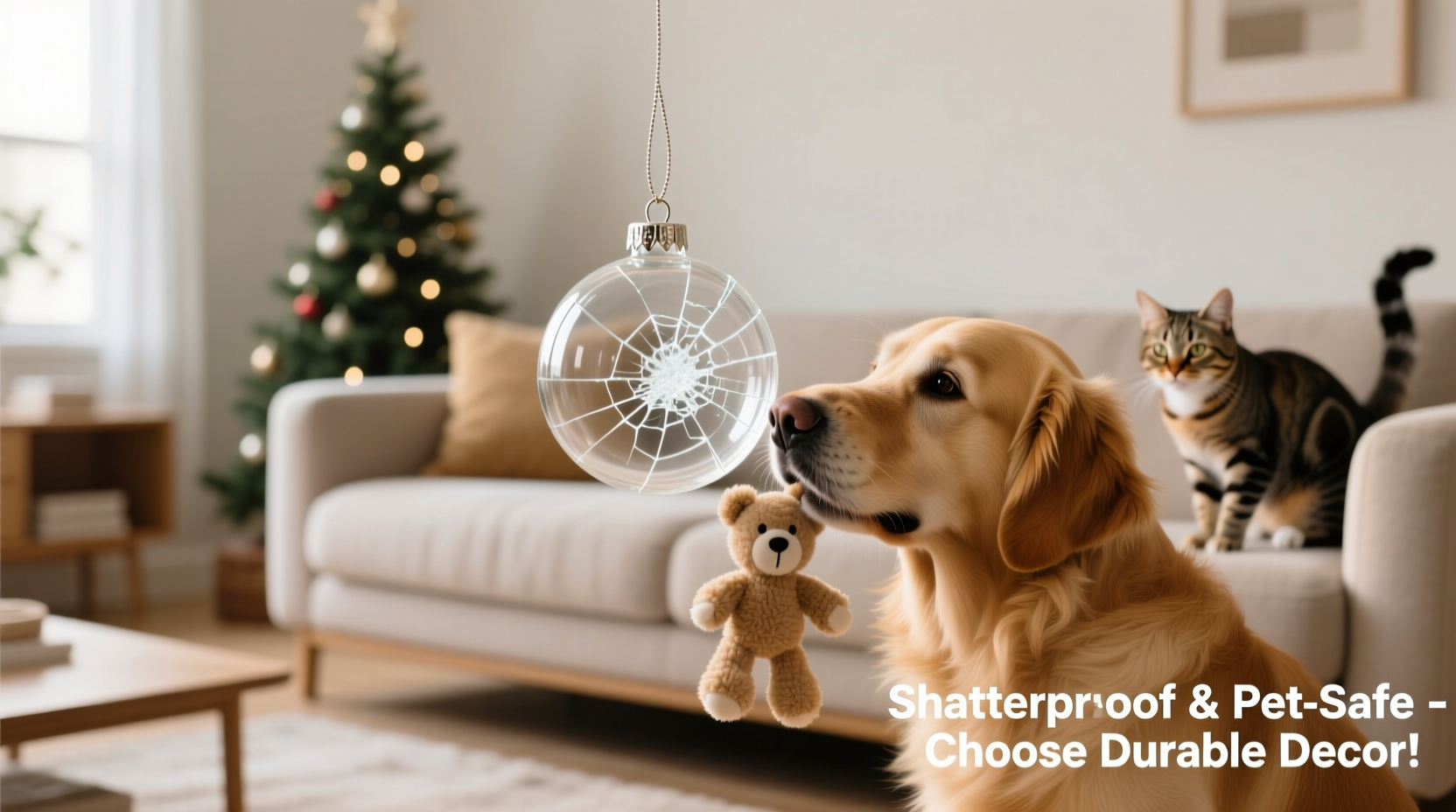
Glass ornaments, while classic and elegant, are inherently fragile. Even slight contact—a tail flick, a sudden jump, or a curious nose bump—can send them crashing to the floor. For pets, especially cats known for their agility and instinct to bat at moving objects, low-hanging or reflective baubles become irresistible targets.
When glass breaks, the risks multiply. Sharp shards can embed in paw pads or be ingested during grooming. Small decorative elements like glitter, paint flecks, or metallic coatings may contain toxic substances. According to the ASPCA Animal Poison Control Center, ingestion of foreign materials is one of the most common causes of emergency vet visits during the holiday season.
“Pets don’t understand the concept of ‘fragile.’ What looks like a shiny toy to them could be dangerous. Preventive decorating is a form of responsible pet ownership.” — Dr. Laura Simmons, DVM, Veterinary Behavior Specialist
Beyond physical injury, the noise of breaking glass can startle animals, triggering anxiety or fear-based behaviors. Repeated exposure may contribute to long-term stress, especially in sound-sensitive breeds. Choosing shatterproof alternatives isn’t just about convenience—it’s about creating a safe, calm environment where both pets and people can enjoy the season.
What makes an ornament truly shatterproof?
Not all non-glass ornaments are created equal. Some are marketed as “shatter-resistant” but can still crack under pressure. True shatterproof ornaments should meet specific criteria:
- Material integrity: Made from flexible, impact-resistant substances like high-grade plastic, silicone, rubber, or fabric.
- Weight and balance: Light enough to hang securely but substantial enough not to swing wildly when brushed.
- Seamless construction: No glued parts or weak joints that could break apart if chewed or dropped.
- Non-toxic components: Free from lead, phthalates, BPA, and other harmful chemicals, especially important if a pet mouths the ornament.
Rigid plastics like acrylic may resist shattering initially but can splinter into sharp edges when cracked. In contrast, soft silicone ornaments compress on impact and bounce rather than break. Fabric-covered foam shapes, often used in children’s toys, are another excellent option—they absorb force and are unlikely to cause harm even if swallowed in small quantities.
Top materials for pet-safe holiday ornaments
When shopping for shatterproof ornaments, focus on these proven materials:
Silicone
Flexible, heat-resistant, and easy to clean, food-grade silicone is ideal for pet-friendly decor. Many brands now offer realistic-looking baubles, icicles, and figurines made entirely from silicone. They mimic the shine of glass without the risk and can be wiped down after accidental drool or paw prints.
Felt and Fabric
Handmade felt ornaments are lightweight, soft, and available in countless designs—from rustic stars to whimsical animals. Sewn shut with no loose threads, they’re safe even if nudged off the tree. Bonus: many are machine washable.
Wood (with caution)
Natural wood ornaments are sturdy and charming, but ensure they are sealed with non-toxic varnish and free from small detachable parts. Avoid pieces with metal hangers that could bend into sharp points. Best used higher up on the tree, out of jumping range.
EVA Foam and Craft Foam
Commonly used in children’s crafts, EVA foam is lightweight, colorful, and completely crush-safe. It won’t break, chip, or splinter. While not as glossy as glass, it holds paint well and can be customized with pet-themed cutouts.
Recycled Paper and Cardboard
Sturdy paper mache or laminated cardboard ornaments are surprisingly resilient. When coated with a water-based sealant, they resist tearing and add a handmade touch. Ideal for flat decorations hung toward the back of the tree.
| Material | Pet-Safe? | Durability | Cleaning Method |
|---|---|---|---|
| Silicone | Yes | ★★★★★ | Wipe with damp cloth |
| Felt/Fabric | Yes (if tightly stitched) | ★★★★☆ | Spot clean or hand wash |
| Wood (sealed) | Yes (no small parts) | ★★★☆☆ | Dry dusting |
| EVA Foam | Yes | ★★★☆☆ | Wipe clean |
| Acrylic/Plastic | Risky (can splinter) | ★★☆☆☆ | Wipe with care |
Smart placement and tree security strategies
Even the best shatterproof ornaments need proper placement. A poorly secured tree or tempting lower branches can undo your safety efforts.
Start by anchoring the Christmas tree to a wall or ceiling using a commercial tree strap kit. This prevents tipping if a dog leans against it or a cat uses it as a climbing post. Place heavier ornaments toward the top and outer branches, leaving the lower third bare or decorated with pet-safe items like pinecones (untreated) or knotted fleece strips.
Avoid hanging ornaments with strings, ribbons, or tinsel-like materials. These mimic prey movement and encourage batting or chewing. Long strands also pose a choking hazard or risk of intestinal blockage if swallowed—a condition known as linear foreign body ingestion, which often requires surgery.
“We once treated a cat that ate six feet of tinsel-laced ribbon. The damage was severe. Simple changes in decoration can prevent life-threatening emergencies.” — Dr. Raj Patel, Emergency Veterinarian
Use shorter hooks or clear fishing line to suspend ornaments closer to the branch, reducing swing radius. Cluster smaller items together so there’s less individual movement to attract attention. And never place edible-looking ornaments—even if labeled “non-toxic”—within reach. Pets can’t read labels.
Step-by-step guide to selecting and setting up pet-safe ornaments
Follow this practical timeline to ensure a hazard-free holiday display:
- Week 1: Audit your current collection. Sort through existing ornaments. Set aside any glass, metal, or breakable items. Label them for storage or donation.
- Week 2: Research and shop. Look for shatterproof options from reputable brands specializing in pet- or child-safe decor. Read reviews focusing on durability and material quality.
- Week 3: Test new ornaments. Before hanging, press, twist, and lightly drop each item onto carpet. Discard anything that cracks, smells strongly, or has loose parts.
- Week 4: Plan your layout. Sketch a simple map of your tree zones—low (pet zone), mid (family zone), high (display zone). Assign ornament types accordingly.
- Installation day: Secure the tree first. Anchor it before adding stands, lights, or decorations. Hang shatterproof ornaments starting from the top down, avoiding dangling elements below 3 feet.
- Post-decoration check: View the tree from pet height. Crouch down to see what’s visible and reachable. Remove or reposition tempting items.
Real example: How one family avoided disaster with better choices
The Thompsons had always struggled with holiday decor. Their two-year-old tabby, Miso, had a habit of leaping onto the coffee table and swatting at the lowest ornaments. One Christmas Eve, she knocked down a hand-blown glass reindeer, sending shards across the hardwood floor. While no one was injured, the cleanup took hours, and Miso was confined to another room for the rest of the night.
Determined to avoid repeats, the family switched to a full shatterproof setup the following year. They invested in silicone snowflakes, felt stockings, and wooden stars with rounded edges. They anchored the tree and used command hooks to keep power cords for lights out of reach. Lower branches were wrapped in garlands made of popcorn (unsalted, unbuttered) and dried fruit—safe even if nibbled.
That December, Miso still batted at the tree—but instead of breaking, ornaments bounced. One foam bell fell and rolled under the couch, unharmed. The Thompsons relaxed, knowing their choices had turned a recurring hazard into a manageable quirk. “We finally enjoy the tree together,” said Sarah Thompson. “She plays, we laugh, and nothing gets broken.”
Checklist: Pet-safe ornament shopping and setup
- ☐ Choose ornaments made from silicone, felt, foam, or sealed wood
- ☐ Avoid glass, acrylic, metal, or loosely assembled pieces
- ☐ Confirm materials are non-toxic and odor-free
- ☐ Skip tinsel, ribbons, and stringy embellishments
- ☐ Use short, secure hangers to reduce swing
- ☐ Anchor the Christmas tree to a wall or ceiling
- ☐ Keep lower third of tree minimally decorated or bare
- ☐ Inspect all ornaments for wear each season before use
- ☐ Store pet-safe and hazardous ornaments separately
- ☐ Supervise initial pet interactions with the decorated tree
Frequently asked questions
Are plastic ornaments safe for pets?
Not all plastic ornaments are safe. Rigid plastics like acrylic can shatter into sharp pieces. Flexible, high-quality plastics such as PET or polyethylene are safer, but silicone or fabric remains a better choice for homes with active pets.
Can I use my old heirloom ornaments if I have pets?
You can preserve tradition without risk. Display delicate heirlooms in shadow boxes, high shelves, or on a separate, closed-top tree in a pet-free room. Take photos to include in holiday cards or digital albums.
What if my pet eats part of a shatterproof ornament?
Even non-toxic materials can cause digestive upset or blockages. Monitor your pet closely for vomiting, lethargy, or loss of appetite. Contact your veterinarian immediately if you suspect ingestion, and bring a piece of the ornament for identification.
Final thoughts: Celebrate safely, celebrate fully
Holiday decorating should be a source of joy, not anxiety. By choosing shatterproof ornaments thoughtfully, you protect your pets, preserve your peace of mind, and keep traditions alive in a way that works for your entire household. Safety doesn’t mean sacrificing beauty—today’s pet-friendly options come in elegant designs, vibrant colors, and creative styles that rival traditional decor.
Start small if needed. Replace a few high-risk ornaments each year. Involve your family in the process—kids can help make DIY felt stars or paint wooden shapes with pet-safe finishes. Over time, you’ll build a collection that’s both festive and foolproof.




 浙公网安备
33010002000092号
浙公网安备
33010002000092号 浙B2-20120091-4
Comments
No comments yet. Why don't you start the discussion?