
Beach shorts are more than just swimwear—they're a staple of modern summer style. Whether you're strolling along the shore, grabbing a drink at a seaside bar, or lounging on a resort deck, the right pair can elevate your look while keeping you cool and mobile. But with so many styles, cuts, and fabrics available, finding the perfect balance between comfort and style isn’t always straightforward. This guide breaks down what matters most when choosing men’s beach shorts, from fit and function to longevity and versatility.
Understand the Purpose: Function First, Fashion Follows
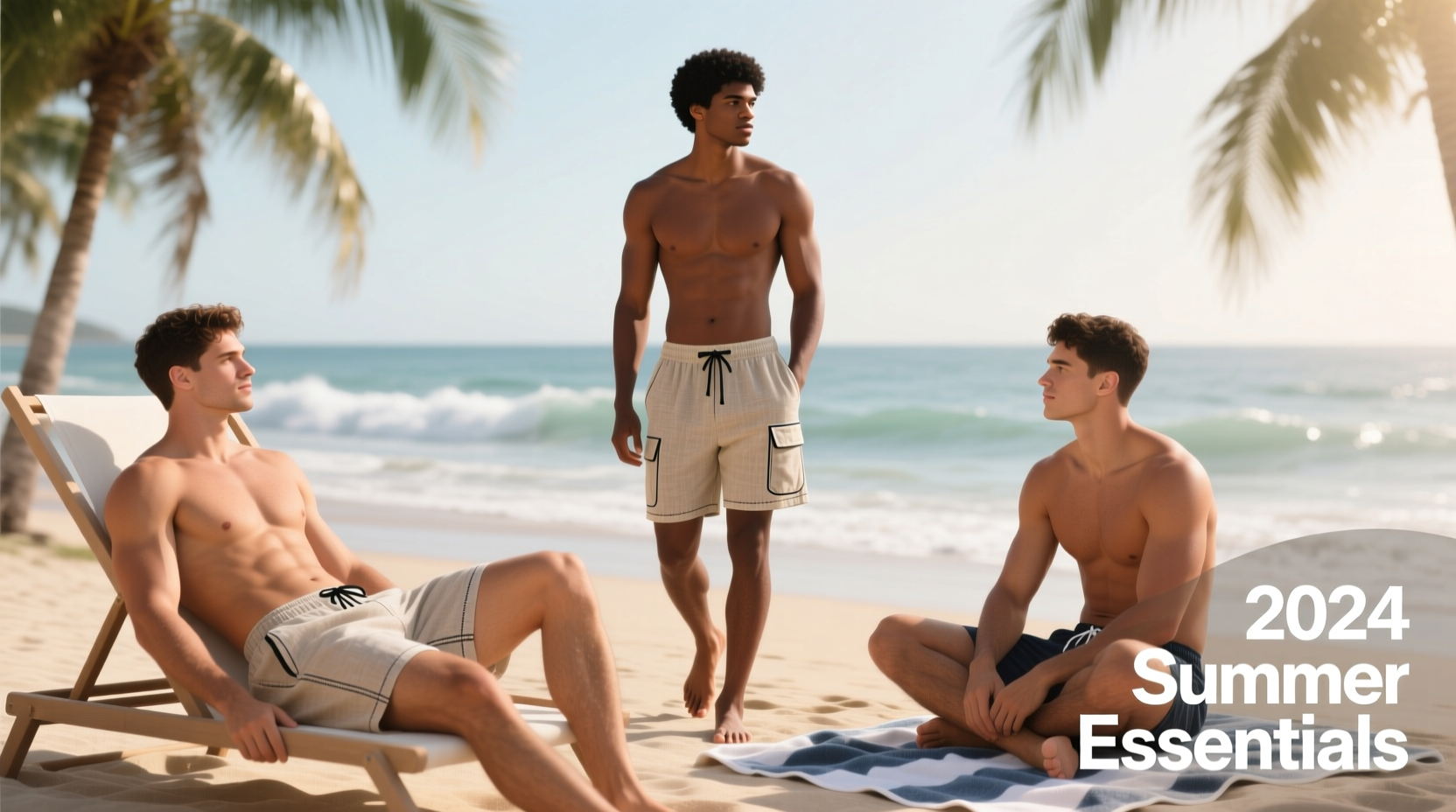
The best beach shorts don’t sacrifice performance for appearance. Start by defining how you’ll use them. Are they primarily for swimming? Walking around town? Lounging poolside? The answer shapes everything from material choice to pocket design.
Shorts made from quick-dry polyester or nylon blends excel in water and dry fast, making them ideal for active days. Cotton or linen blends offer breathability and a relaxed drape but absorb water and take longer to dry—better suited for casual wear post-swim.
Choose the Right Fit Without Sacrificing Comfort
Finding the right fit is where most men go wrong. Too tight, and movement becomes restricted; too loose, and the shorts look sloppy. The ideal beach short sits at the top of the thigh, offering freedom without excess fabric.
Waist fit should be snug but not constricting. Many quality brands now include adjustable drawstrings or elastic waistbands for a customizable fit. Avoid relying solely on traditional sizing (e.g., 32, 34)—always check brand-specific size charts, as measurements vary widely.
“Fit is the foundation of style. A well-fitted short enhances posture and confidence, even in casual settings.” — Marcus Lin, Menswear Stylist & Consultant
Key Fit Guidelines
- Inseam: 7–9 inches is optimal for most body types—long enough for coverage, short enough for mobility.
- Hip room: Allow about 2–3 inches of ease beyond your natural hip measurement for unrestricted movement.
- Rise: Mid-rise (around 10–11 inches) offers balanced proportions and avoids sagging.
Material Matters: Balancing Durability, Comfort, and Drying Time
The fabric determines how your shorts feel during extended wear, how they hold up over time, and how easily they transition between activities. Below is a comparison of common materials used in men’s beach shorts.
| Material | Drying Speed | Comfort Level | Durability | Best For |
|---|---|---|---|---|
| Polyester Blend | Fast | High | Very High | Swimming, travel, active days |
| Nylon | Very Fast | High | High | Water sports, sun resistance |
| Cotton | Slow | Moderate | Moderate | Casual wear, warm climates |
| Linen | Slow | High (in heat) | Low | Resort wear, dry environments |
| Recycled Performance Fabric | Fast | Very High | High | Eco-conscious buyers, multi-use |
Performance fabrics often include UV protection, anti-odor treatments, and four-way stretch—features worth considering if you spend long hours outdoors.
Design Details That Make a Difference
Small design elements can significantly impact both comfort and utility. Look beyond color and pattern to evaluate construction quality.
- Lining: Mesh-lined shorts provide support and reduce chafing but may trap heat. Some premium models offer removable or partial linings for flexibility.
- Pockets: Secure side pockets with zippers or Velcro flaps keep essentials safe. Back pockets with drainage grommets prevent water buildup.
- Hem finish: Raw-edge hems look modern but may fray. Double-stitched or taped hems last longer under frequent washing.
- Color & Pattern: Darker colors hide stains but absorb heat. Bold prints make a statement but limit outfit pairing. Neutrals like navy, olive, and sand offer maximum versatility.
Step-by-Step Guide to Selecting Your Ideal Pair
Follow this five-step process to ensure you’re making a smart, lasting purchase.
- Assess your lifestyle needs. Will you swim daily? Walk on cobblestone streets? Attend outdoor dinners?
- Determine your preferred inseam and fit. Try on multiple styles if possible, noting where friction or restriction occurs.
- Select a primary fabric type based on climate and activity level.
- Evaluate functional features: drainage, secure pockets, UV protection, odor resistance.
- Test mobility. Squat, walk, and sit to confirm comfort across movements.
A Real-World Example: Choosing Shorts for a Mediterranean Getaway
Take James, a 35-year-old traveler planning a two-week trip through Greece and southern Italy. He wants shorts that work for snorkeling, walking historic sites, and dining out. His checklist includes quick drying, sun protection, and a clean-enough look for evening wear.
After research, he chooses a 9-inch inseam nylon short with partial mesh lining, zippered side pockets, and UPF 50+ rating. The muted navy color pairs with both T-shirts and button-downs. On day three, after jumping off a boat into the Aegean Sea, he walks straight into a seaside taverna—no change needed. The shorts dry within 20 minutes and maintain their shape throughout the trip.
This kind of versatility doesn’t happen by accident. It comes from aligning purpose with design.
Checklist: What to Look for Before Buying Beach Shorts
Use this concise checklist before finalizing any purchase:
- ✅ Inseam between 7–9 inches
- ✅ Quick-dry fabric (polyester, nylon, or recycled blend)
- ✅ Functional pockets with secure closures
- ✅ Partial or breathable lining (avoid full cotton liners)
- ✅ Reinforced stitching at stress points
- ✅ UPF protection (if spending long hours in sun)
- ✅ Neutral base color or versatile pattern
- ✅ Adjustable waist (drawstring or elastic)
Frequently Asked Questions
Can I wear beach shorts to dinner or casual outings?
Yes—if chosen wisely. Opt for tailored silhouettes, muted tones, and minimal branding. Pair with a linen shirt and leather sandals to elevate the look. Avoid overly baggy cuts or loud graphics for evening wear.
How many pairs should I own for a week-long vacation?
Three to four pairs are ideal. Rotate them to allow full drying and reduce wear. Two quick-dry swim-to-street options and one or two casual-only pairs give flexibility.
Are expensive beach shorts worth it?
Not always—but investment pieces often use superior fabrics, better stitching, and smarter design. A $80 pair that lasts five summers outperforms four $30 pairs replaced annually. Focus on value, not just price.
Final Thoughts: Style Meets Practicality
Choosing stylish and comfortable beach shorts comes down to intentionality. It’s not about chasing trends but selecting pieces that serve your life. Prioritize fit, function, and fabric, and let aesthetics follow. With the right approach, your beach shorts can be both reliable companions and expressions of personal style.




 浙公网安备
33010002000092号
浙公网安备
33010002000092号 浙B2-20120091-4
Comments
No comments yet. Why don't you start the discussion?