
Apples are more than just a fruit—they’re a daily ritual, a snack staple, and for many, a symbol of thoughtful eating. But not all apples are created equal. While sweetness and crunch matter, so does value and the subtle flair with which you present or enjoy them. Choosing the best crisp sweet apple isn’t just about taste; it’s about making a smart, stylish decision that enhances your meals, snacks, and even your kitchen aesthetic.
The modern shopper has options: heirloom varieties at farmers' markets, glossy imports at supermarkets, organic labels, and seasonal picks. Navigating this landscape requires knowledge—not just of flavor profiles, but of sourcing, storage, and presentation. This guide breaks down how to select an apple that delivers on crispness, sweetness, affordability, and visual appeal.
Understanding Crispness and Sweetness: The Science Behind the Bite
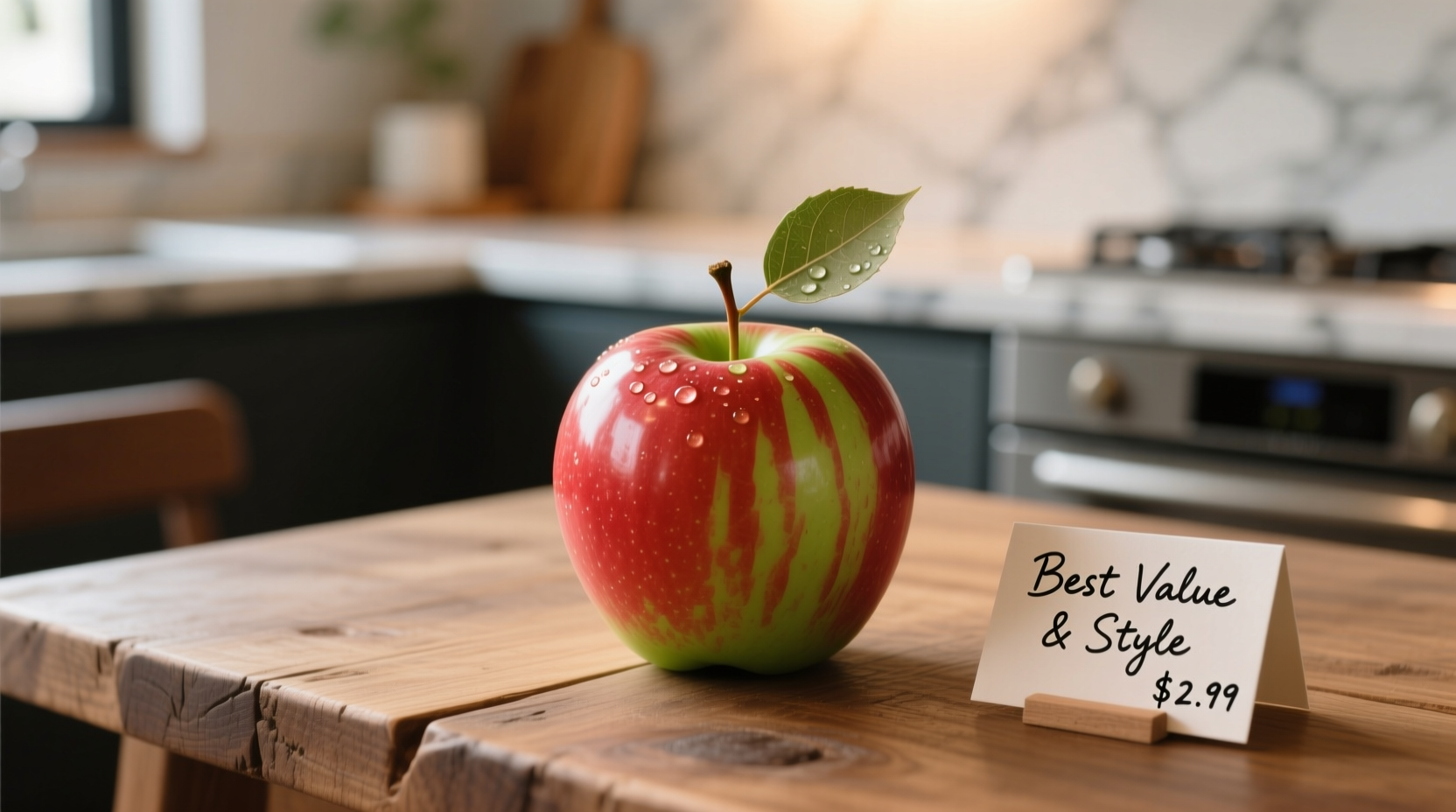
Crispness refers to the texture of the apple—specifically, the resistance and snap when bitten. It's determined by cell structure and moisture content. Apples like Honeycrisp and Fuji maintain high internal pressure, giving that satisfying crunch. Soft apples, even if sweet, lack this sensory satisfaction.
Sweetness is measured in Brix units, which quantify sugar content. However, perceived sweetness also depends on acidity. A high-sugar apple with high acid (like Pink Lady) tastes balanced rather than cloying. In contrast, low-acid apples like Gala deliver straightforward sweetness but can feel flat if overripe.
For optimal balance, look for apples with moderate to high Brix (13–16%) and balanced pH. These offer both sweetness and complexity without sacrificing texture.
Top Varieties That Deliver Value and Style
Not every apple fits every need. Some are premium-priced showpieces; others are workhorse fruits ideal for daily use. Below is a comparison of top crisp sweet varieties based on taste, availability, price, and visual appeal.
| Variety | Sweetness Level | Crispness | Avg. Price (per lb) | Style Factor | Best For |
|---|---|---|---|---|---|
| Honeycrisp | High | ★★★★★ | $2.50–$4.00 | Luxury | Snacking, gifting |
| Fuji | Very High | ★★★★☆ | $1.80–$2.50 | Elegant | Everyday use, cheese boards |
| Gala | Moderate-High | ★★★☆☆ | $1.20–$2.00 | Classic | Lunchboxes, juicing |
| Pink Lady® | High (balanced) | ★★★★☆ | $2.00–$3.00 | Sophisticated | Desserts, wine pairings |
| Jazz™ | High | ★★★★★ | $2.20–$3.50 | Modern | Entertaining, slicing |
While Honeycrisp sets the gold standard for crispness, its premium price may not suit daily budgets. Fuji offers excellent value—sweet, firm, widely available, and visually striking with its deep red blush. Jazz, a newer hybrid, combines speed-bred durability with gourmet appeal, making it ideal for stylish platters.
“Crispness isn’t just about texture—it’s about confidence in quality. When an apple snaps cleanly, it signals peak freshness and care in handling.” — Dr. Lena Torres, Postharvest Horticulturist, University of California Cooperative Extension
How to Shop Smart: A Step-by-Step Selection Guide
Choosing the right apple involves more than grabbing the shiniest one. Follow this sequence to ensure you get the best combination of taste, economy, and elegance.
- Check the seasonality calendar. Apples taste best when in season. For example, Honeycrisp peaks from September to November, while Fuji stores well into spring. Off-season apples are often warehoused or imported, affecting flavor and price.
- Inspect for firmness. Gently squeeze the apple near the stem and base. Avoid any with soft spots, wrinkles, or bruising. The skin should feel taut.
- Look at the color gradient. A sharp contrast between red and yellow/green hues usually indicates proper sun exposure and ripeness. Dull or muddy coloring suggests underperformance.
- Evaluate the stem. A green, intact stem signals recent picking. A dry or broken stem doesn’t ruin the apple but hints at age.
- Compare per-pound pricing. Bulk bins often offer better value than pre-packaged trays. Weigh your options literally—use the scale to calculate cost efficiency.
- Consider origin. Locally grown apples reduce transport time and environmental impact. They also support regional agriculture and often come with unique branding or packaging that adds to their style quotient.
Styling Your Apples: From Lunchbox to Centerpiece
An apple doesn’t have to be eaten plain to be appreciated. How you present it influences perception of both value and taste. A sliced apple arranged on a slate board with nuts and cheese feels luxurious. The same apple in a crumpled plastic bag feels utilitarian.
- Use ceramic or wooden bowls to display apples on countertops—natural materials elevate simple fruit.
- Slice apples just before serving to preserve crispness. Toss lightly in lemon water if needed, but avoid oversoaking.
- Pair red apples with white plates or napkins to enhance visual contrast.
- For gatherings, try arranging apple slices in concentric circles with pomegranate seeds or mint leaves for a gourmet touch.
Real Example: Elevating a School Snack with Style and Sense
Sarah, a parent in Portland, used to pack her daughter’s lunch with pre-cut apples in plastic containers. After noticing they often came home uneaten, she switched tactics. She began buying local Fujis in bulk during autumn, storing them in a cool pantry, and slicing them fresh each morning. She added a small reusable container of almond butter and used a bento box with separate compartments.
The result? Her daughter started eating the apples consistently. “It felt less like ‘just fruit’ and more like a treat,” she said. By investing slightly more time—and choosing a visually appealing, reliably crisp apple—Sarah transformed a mundane item into something her child looked forward to. The cost per serving dropped by 30% due to bulk buying, proving that value and style can coexist.
Essential Checklist: Picking the Perfect Crisp Sweet Apple
Before leaving the store or market, run through this checklist:
- ✅ Is the apple in season locally?
- ✅ Does it feel heavy for its size? (Indicates high juice content)
- ✅ Is the skin smooth and free of bruises or punctures?
- ✅ Does it have vibrant, even coloration?
- ✅ Is the price competitive when calculated per pound?
- ✅ Will it be stored properly at home to maintain crispness?
- ✅ Can it be presented in a way that makes it more appealing?
FAQ
Are organic apples worth the extra cost for crispness and flavor?
Organic certification doesn’t guarantee crispness or sweetness, but organic growers often prioritize heirloom or specialty varieties known for quality. If pesticide residue is a concern, organic is worthwhile. For best value, focus on organic apples with strong reputations for texture—like organic Pink Lady or Jazz.
Can I freeze apples to save money without losing crispness?
No—freezing destroys cell structure, turning apples mushy when thawed. However, frozen apples work well in baking or smoothies. To preserve crispness, store fresh apples in the crisper drawer at 30–35°F with high humidity.
Why do some sweet apples taste bland even when crisp?
Sweetness without aromatic complexity leads to flat flavor. Apples like Red Delicious may be sweet but lack volatile esters that create “apple aroma.” Varieties like Honeycrisp and Jazz are bred for both sugar and fragrance, enhancing perceived flavor.
Make Every Bite Count
Choosing the best crisp sweet apple is an act of everyday intention. It’s about balancing delight and practicality—finding a fruit that satisfies the palate, fits the budget, and looks good doing it. Whether you're packing a child’s lunch, hosting guests, or simply enjoying a midday snack, the right apple elevates the moment.
Start small: next time you shop, skip the default bag of Galas. Try a Fuji or Jazz, inspect it closely, store it properly, and serve it thoughtfully. You’ll taste the difference—and see it, too.




 浙公网安备
33010002000092号
浙公网安备
33010002000092号 浙B2-20120091-4
Comments
No comments yet. Why don't you start the discussion?