
Selecting the right iPhone case goes beyond aesthetics. With so many materials on the market—silicone, polycarbonate, TPU, leather, and hybrid composites—making an informed choice is essential for long-term device safety and personal satisfaction. The ideal case balances impact resistance, scratch prevention, grip, and design appeal. But not all materials deliver equally across these categories. Understanding the strengths and trade-offs of each helps you avoid premature wear, dropped phones, or compromised functionality.
Durability: What Really Protects Your iPhone?
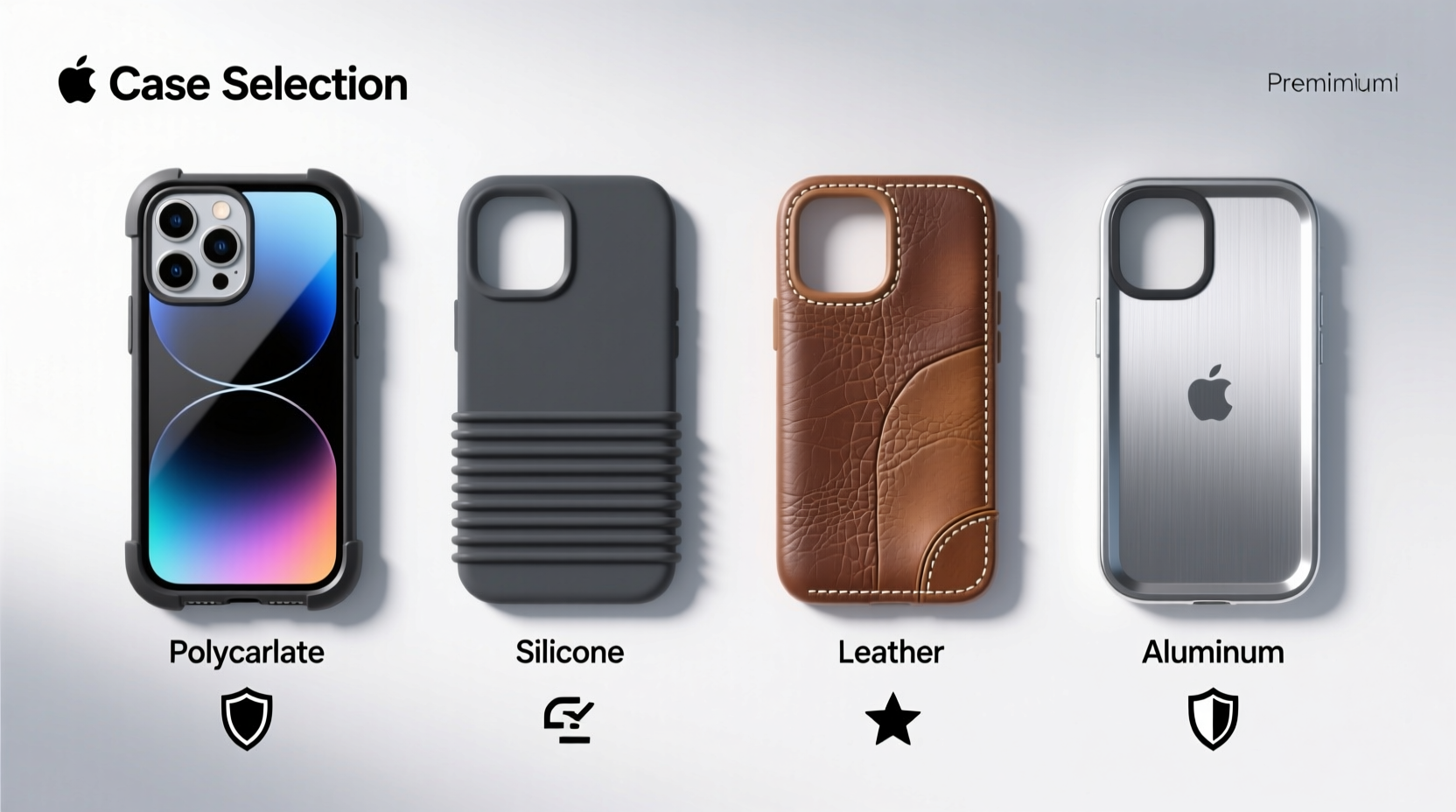
Durability isn’t just about surviving a drop—it’s about resisting daily wear over months or years. Some materials degrade faster than others when exposed to UV light, oils from your skin, or temperature changes. For example, thermoplastic polyurethane (TPU) offers excellent shock absorption but can yellow over time if low-quality. Polycarbonate, while rigid and scratch-resistant, may crack under high-impact stress.
The best durable cases often combine multiple materials. Hybrid designs use a soft inner TPU layer for shock dispersion and a hard outer shell (usually polycarbonate) for structural integrity. These dual-layer systems absorb energy during falls better than single-material cases.
Protection Levels by Material Type
Not every user needs the same level of protection. A student commuting daily requires more impact defense than someone using their phone mostly at home. Here's how common iPhone case materials compare in key protective areas:
| Material | Drop Protection | Scratch Resistance | Water Resistance | Lifespan |
|---|---|---|---|---|
| TPU (Thermoplastic Polyurethane) | High | Moderate | Good | 1–2 years (may yellow) |
| Silicone | Moderate | Low–Moderate | Good | 1–1.5 years (collects dust) |
| Polycarbonate | Moderate (brittle on sharp impact) | High | Fair | 2+ years | tr>
| Leather (genuine or synthetic) | Low–Moderate | Improves with age (patina) | Poor (absorbs moisture) | 2–3+ years (with care) |
| Hybrid (TPU + PC) | Very High | High | Good | 2+ years |
This comparison shows that no single material excels in all categories. However, hybrids consistently rank highest in overall protection, making them ideal for active users or those prone to accidental drops.
Style and Everyday Use: Matching Case to Lifestyle
A case should reflect your personal style without sacrificing usability. Silicone cases, popularized by Apple, offer a soft-touch finish and come in vibrant colors. They’re minimalist and sleek but attract lint and show smudges easily. Over time, they lose their shape due to material softness.
Leather cases develop a rich patina, gaining character with age. Full-grain leather molds to your phone and feels premium in hand. However, they provide minimal edge-to-edge coverage and aren't suitable for rugged environments.
For professionals who value both elegance and resilience, textured polycarbonate or matte-finish hybrid cases offer a clean, modern look. Brands like Spigen, OtterBox, and UAG focus on functional design with subtle branding—ideal for business settings.
“Your phone case is one of the most frequently touched accessories. It should feel good in your hand and inspire confidence in its reliability.” — Daniel Reyes, Product Designer at MobileShield Labs
Step-by-Step Guide to Choosing Your Ideal Case
Follow this five-step process to make a confident decision based on your priorities:
- Assess your usage pattern. Do you walk daily, work outdoors, travel often, or use your phone mostly indoors? High-mobility lifestyles demand higher protection.
- Determine your top priority: Is it drop protection, slim profile, wireless charging compatibility, or aesthetic appeal?
- Check material quality. Avoid ultra-cheap TPU; opt for brands known for UV-resistant coatings to prevent yellowing.
- Evaluate fit and access. Ensure precise cutouts for speakers, ports, and camera lenses. Poor alignment affects sound quality and lens flare.
- Read verified reviews. Focus on long-term feedback (6+ months) regarding warping, discoloration, or button stiffness.
Real-World Example: Sarah’s Commute Upgrade
Sarah, a graphic designer in Chicago, used a standard silicone case for her iPhone 14 Pro. After three months, the corners began lifting, and she dropped it twice on icy sidewalks. Both times, the screen cracked despite the case. Frustrated, she switched to a MIL-STD-810G certified hybrid case with reinforced corners and air-cushion technology. Over the next year, including two additional drops (one from shoulder height onto concrete), her phone remained intact. She also appreciated the improved grip and antimicrobial coating that reduced grime buildup during subway rides.
Her experience highlights a critical point: perceived convenience (like thinness or soft texture) shouldn’t override actual protection needs in high-risk environments.
Key Features to Look For (Checklist)
Before purchasing, verify these features are present:
- ✅ Raised edges around screen and camera to prevent direct contact when placed face-down
- ✅ Compatibility with MagSafe accessories and wireless charging
- ✅ Non-slip texture or rubberized sides for secure handling
- ✅ Reinforced corners—critical impact zones
- ✅ Easy-to-press buttons (not overly stiff or loose)
- ✅ Availability of replacement parts or warranty (for premium brands)
Frequently Asked Questions
Do clear cases yellow over time?
Yes, especially lower-quality TPU clear cases. Exposure to UV light, heat, and oils causes oxidation. To minimize yellowing, choose brands that advertise “anti-yellowing” or “UV-stable” materials. Polycarbonate-based clear cases tend to resist discoloration longer.
Are expensive cases worth it?
Not always, but often. Premium cases from reputable brands undergo extensive testing for durability, port alignment, and longevity. While a $10 case might save money upfront, replacing it every six months due to cracking or poor fit costs more over time. Invest in a well-reviewed mid-range to high-end model ($30–$50) for optimal value.
Can I recycle old iPhone cases?
Most cases aren’t recyclable through curbside programs due to mixed materials. However, some manufacturers like Pela offer compostable bioplastics. Others, such as OtterBox, have take-back programs. Check with the brand directly or look for local e-waste drop-off centers that accept small electronics accessories.
Final Thoughts: Make a Choice That Lasts
Your iPhone is a significant investment, both financially and functionally. Protecting it starts with choosing the right case—one that aligns with how you live, move, and interact with your device daily. Prioritize materials that offer proven impact resistance without compromising comfort or style. Whether you opt for a rugged hybrid, a refined leather sleeve, or a reliable TPU design, ensure it meets real-world demands, not just marketing claims.




 浙公网安备
33010002000092号
浙公网安备
33010002000092号 浙B2-20120091-4
Comments
No comments yet. Why don't you start the discussion?