
Shell pendant necklaces have long been cherished for their natural beauty, coastal charm, and timeless elegance. Whether you're drawn to them for their beachy aesthetic or symbolic meaning—like protection, renewal, or connection to the ocean—selecting the right piece requires more than just a passing glance. A well-chosen shell pendant reflects your personal style while standing up to daily wear. From material authenticity to chain compatibility, understanding what sets an exceptional piece apart ensures your investment lasts and resonates.
Understand the Types of Shells Used in Jewelry
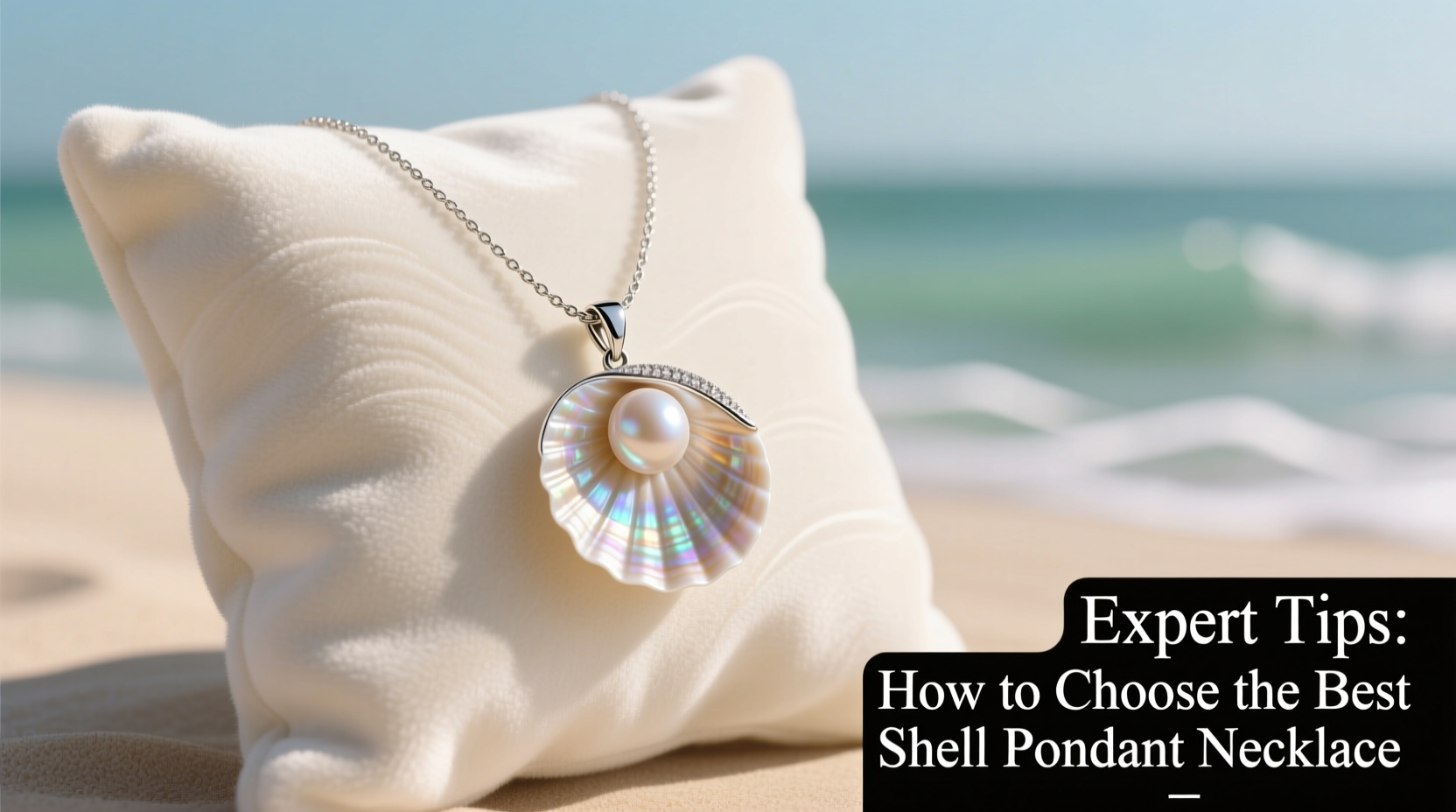
Not all shells are created equal when it comes to jewelry craftsmanship. The type of shell influences durability, luster, color variation, and overall appearance. Common varieties include:
- Conch Shells: Known for their bold pink interiors, conch pendants offer vibrant hues and substantial presence. Best suited for statement pieces.
- Abalone: Prized for its iridescent surface that shifts between green, blue, and purple, abalone adds dynamic visual interest but is relatively soft and prone to scratching.
- Pearl Oyster Shells: Often used for mother-of-pearl inlays, these deliver a smooth, luminous finish ideal for minimalist designs.
- Cowrie Shells: Small, glossy, and historically symbolic across cultures, cowries lend themselves well to delicate, everyday wear.
- Turquoise-Enhanced Shells: Some lower-cost options use dyed or resin-treated shells to mimic turquoise or coral tones. These may fade over time.
Evaluate Craftsmanship and Material Quality
A beautiful design means little if the construction won’t endure. High-quality shell pendants involve careful shaping, polishing, and secure mounting. Look for signs of precision workmanship:
- Smooth edges without sharp ridges or chipping
- Even coloring and absence of cracks or dark spots (indicative of decay)
- Fully sealed surfaces—especially important for porous shells like abalone
- Durable bail (the loop attaching the pendant to the chain) made from solid metal, not thin soldered wire
“Natural shell jewelry should feel balanced in hand and refined to the touch. If it looks rough or feels lightweight, it’s likely mass-produced with minimal oversight.” — Lila Monroe, Artisan Jewelry Designer with 15 years in sustainable accessories
The setting matters too. Sterling silver, gold-filled, or titanium settings protect both the shell and wearer, minimizing tarnish and allergic reactions. Avoid base metals like nickel or brass-plated alloys unless clearly labeled hypoallergenic.
Match Pendant Style to Your Wardrobe and Lifestyle
Your ideal shell pendant should complement not only your neckline but also your daily routines. Consider where and how often you’ll wear it.
| Neckline | Recommended Pendant Length | Suggested Pendant Size |
|---|---|---|
| V-neck tops | 18–20 inches | Medium to large, elongated shape |
| T-shirts & casual wear | 16–18 inches | Small to medium, round or oval |
| High collars or turtlenecks | 22+ inches (long pendant or lariat) | Delicate drop style |
| Evening dresses | 16–20 inches | Larger, polished centerpieces |
If you lead an active lifestyle or work with your hands, prioritize compact, low-profile pendants with protective bezel settings. For formal or sentimental occasions, consider custom engravings or heirloom-quality pieces featuring rare shells like spiny oyster or black lip oyster.
Mini Case Study: Choosing the Right Necklace for Coastal Living
Sophie, a marine biologist based in Santa Barbara, wanted a necklace that reflected her love for the ocean but could withstand salt air, frequent swimming, and fieldwork. After researching materials, she selected a small cowrie shell pendant set in 14k gold-filled hardware on a 19-inch cable chain. The closed-back setting prevented sand accumulation, and the durable metal resisted corrosion. Two years later, it remains her most-worn accessory—proof that matching function with personal meaning leads to lasting satisfaction.
Step-by-Step Guide to Selecting Your Ideal Shell Pendant Necklace
- Define Your Purpose: Is this a gift, a vacation memento, or part of your signature style? Knowing the intent narrows your choices.
- Assess Skin Tone and Metal Compatibility: Warm undertones pair well with rose gold or yellow gold finishes; cool tones shine with sterling silver or white gold.
- Check Shell Origin: Reputable sellers disclose whether shells are ethically harvested or byproducts of sustainable fisheries. Avoid endangered species like queen conch unless certified.
- Inspect Chain-Pendant Balance: Hold the piece mentally—if the pendant is heavy but the chain thin, it risks breakage. Aim for proportional weight distribution.
- Test Versatility: Try visualizing the necklace with three different outfits: casual, professional, and evening wear. Does it transition smoothly?
- Verify Return Policy & Warranty: Especially when buying online, ensure there’s recourse for defects or dissatisfaction.
Essential Checklist Before Purchasing
- ✅ Shell appears intact with no visible fractures
- ✅ Setting is secure and free of gaps or wobbling
- ✅ Chain clasp functions smoothly and locks securely
- ✅ Materials are clearly labeled (e.g., “sterling silver,” “natural abalone”)
- ✅ Seller provides origin information or sustainability claims
- ✅ Piece feels comfortable against the skin (no sharp edges)
- ✅ Includes care instructions for cleaning and storage
Frequently Asked Questions
Are real shell pendants durable enough for everyday wear?
Yes, but with caveats. Harder shells like cowrie or thick conch can last years with gentle handling. Softer types like abalone require more caution—avoid impact, chemicals, and prolonged water exposure. With proper care, even delicate pieces can be worn regularly.
How do I clean and maintain my shell pendant?
Use a soft, damp cloth after wearing to remove oils and sweat. Once a month, gently wipe with a mild soap solution (one drop dish soap in warm water), then dry immediately. Never soak shell jewelry or use ultrasonic cleaners. Store separately in a fabric-lined box to prevent scratches.
Can I personalize a shell pendant necklace?
Absolutely. Many artisans offer engraving on metal tags attached to the chain, or custom drilling (done professionally) to incorporate birthstones, initials, or meaningful symbols into the design. Just confirm the modification won’t compromise structural integrity.
Making a Meaningful Choice
Selecting the best shell pendant necklace isn’t just about aesthetics—it’s about alignment with your values, lifestyle, and sense of self. A truly great piece feels intentional: crafted with care, chosen with thought, and worn with pride. Whether you’re drawn to the whisper of seafoam on sand or the deep glow of a sunset-lit tide pool, let your necklace carry that memory forward.




 浙公网安备
33010002000092号
浙公网安备
33010002000092号 浙B2-20120091-4
Comments
No comments yet. Why don't you start the discussion?