
A well-chosen decorative pillowcase can transform an ordinary sofa into a focal point of elegance, warmth, and personality. More than just softness under your arm or a place to rest your head, pillowcases are powerful design tools that influence both aesthetics and tactile experience. The right combination enhances color harmony, adds texture, and supports ergonomic comfort—without requiring a full furniture overhaul. With countless fabrics, patterns, and sizes available, selecting the ideal pillowcase demands thoughtful consideration. This guide walks you through the essential factors to ensure every cushion contributes meaningfully to your living space.
Understand Your Sofa’s Design Language
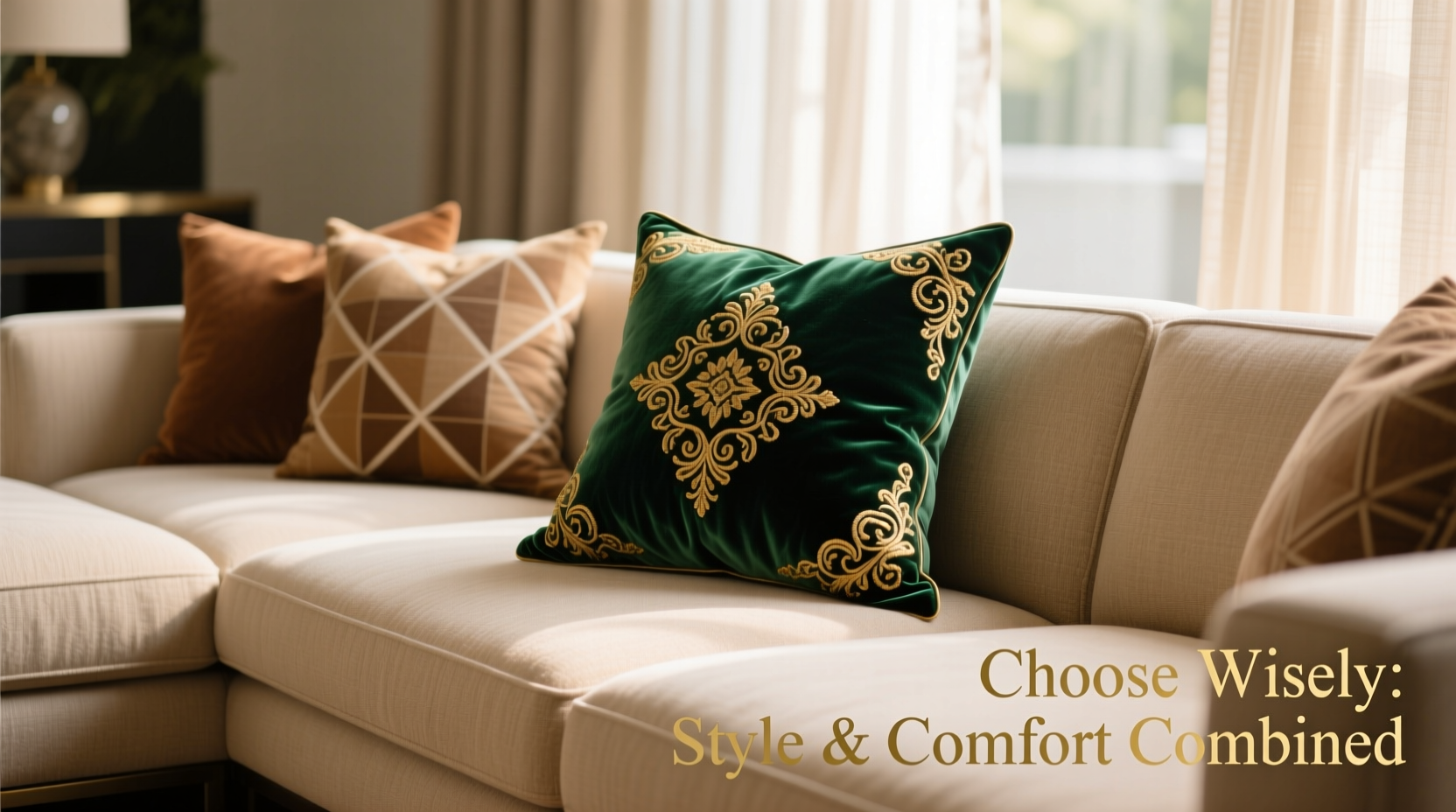
Before browsing fabrics or color palettes, assess your sofa’s existing style. Is it modern minimalist, rustic farmhouse, mid-century modern, or traditional? Each design language responds best to specific textures and silhouettes. A sleek leather sectional pairs elegantly with structured linen or velvet covers in monochrome tones, while a cozy slipcovered sofa welcomes playful prints and layered textiles.
Consider the sofa’s color as your foundation. Neutral upholstery—like beige, gray, or charcoal—offers maximum flexibility for bold or seasonal changes. Darker sofas benefit from light-toned or patterned pillowcases that brighten the space, whereas lighter sofas allow for deeper accent colors without overwhelming the room.
Select the Right Fabric for Feel and Function
Fabric choice impacts both appearance and durability. While silk and velvet exude luxury, they require careful maintenance. Cotton and linen offer breathability and a natural look but may wrinkle easily. Synthetic blends like polyester-cotton provide resilience and fade resistance, making them ideal for sunlit rooms.
For homes with children or pets, performance fabrics treated for stain resistance (such as Crypton or Sunbrella) maintain beauty over time. These materials repel spills and resist odors while mimicking the hand feel of natural fibers.
“Texture is the silent storyteller in interior design. A nubby bouclé cover can make a room feel inviting, while smooth sateen adds quiet sophistication.” — Lena Torres, Interior Stylist & Textile Consultant
Fabric Comparison Table
| Fabric Type | Best For | Drawbacks |
|---|---|---|
| Linen | Casual, airy spaces; breathable | Wrinkles easily; shrinks if not pre-washed |
| Cotton | All-purpose use; easy to clean | Can fade in direct sunlight |
| Velvet | Luxury appeal; rich color depth | Requires steaming; shows marks from pressure |
| Polyester Blend | Durability; budget-friendly | Less breathable; can feel synthetic |
| Silk | Elegant accents; luminous finish | Delicate; expensive; not washable |
Harmonize Color and Pattern Strategically
Color psychology plays a role in mood setting. Blues and greens promote calm, while warm tones like rust or mustard energize. When choosing pillowcases, pull one or two secondary colors from an existing rug, artwork, or throw blanket to create cohesion.
Pattern mixing elevates visual interest when done intentionally. Start with a dominant base pattern—such as a large-scale floral—and layer with smaller geometrics or solids. Stripes pair well with checks; ikat complements tribal motifs. Maintain a shared color thread across all pieces to prevent chaos.
- Use solid-colored pillowcases to ground busy upholstery.
- Introduce contrast with dark-on-light or textured neutrals (e.g., cream-on-cream embroidery).
- Rotate seasonal covers—light pastels in spring, deep jewel tones in winter—for year-round relevance.
Size, Shape, and Arrangement Matter
The most overlooked aspect of pillowcase selection is proportion. A standard sofa seat typically fits three 18” x 18” pillows or two 20” x 20” ones. Oversized pillows (22”+) work on sectionals or deep-seated loungers, while smaller 16” squares suit loveseats or accent chairs.
Arrangement affects both function and flow. Try these proven layouts:
- The Balanced Trio: Three same-sized pillows centered evenly.
- The Layered Stack: One large back pillow with two smaller front toss pillows.
- The Asymmetrical Pair: Two different sizes or shapes placed off-center for casual charm.
Mini Case Study: Reviving a Dated Living Room
Jessica, a homeowner in Portland, inherited a beige microfiber sofa that felt bland and uninspired. She introduced four new pillowcases: two in indigo ikat cotton and two in olive-green linen with tassel trim. By incorporating textures and global-inspired patterns, she created depth without changing furniture. Guests now consistently comment on the “curated but comfortable” vibe—proof that pillowcases can redefine a room’s character affordably.
Step-by-Step Guide to Choosing the Ideal Pillowcase
Follow this sequence to make confident, cohesive choices:
- Assess your sofa and room palette. Note dominant and accent colors.
- Determine usage needs. High-traffic areas need durable, washable fabrics.
- Select a base pillow size. Measure seating depth and width.
- Pick 1–2 core colors from existing décor elements.
- Choose fabric based on season and lifestyle. Linen for summer, velvet for winter.
- Mix one pattern with solids or textures. Avoid more than three competing prints.
- Test arrangements in natural light. Adjust until balance feels intuitive.
Essential Checklist Before Buying
- ✅ Measure your insert or current pillow to match size accurately.
- ✅ Confirm care instructions—machine washable preferred for ease.
- ✅ Check zipper or closure type—hidden zippers look neater than ties.
- ✅ Order swatches when buying online to verify color and texture.
- ✅ Ensure backing fabric matches front quality to prevent slippage.
Frequently Asked Questions
How many decorative pillowcases should I use on a standard sofa?
For a three-seat sofa, three to four pillowcases create visual balance without overcrowding. Larger sectionals can accommodate five to six, especially when arranged in groupings.
Can I mix different pillow fills with the same case?
Yes—but consistency in shape matters more than fill. Feather-down inserts offer plushness and moldability, while poly-fill retains structure. Use similar loft levels to keep alignment tidy.
Should pillowcases match the curtains or rug exactly?
They don’t need to match precisely but should harmonize. Pulling a minor accent color from a rug into a pillowcase creates connection without rigidity.
Final Thoughts
Choosing the ideal decorative pillowcase isn’t about following trends—it’s about curating comfort and expression. Every decision, from fabric hand to color temperature, contributes to how a space feels the moment you walk in. Thoughtful pillow styling invites touch, encourages relaxation, and reflects personal taste without saying a word.
Start small: replace one worn cover with a vibrant new piece. Notice how it shifts the energy. Then build from there, layer by layer, until your sofa doesn’t just seat people—it welcomes them.




 浙公网安备
33010002000092号
浙公网安备
33010002000092号 浙B2-20120091-4
Comments
No comments yet. Why don't you start the discussion?