
Selecting a keychain may seem like a minor decision, but it plays a surprisingly significant role in your daily routine. Your car keychain is more than just an accessory—it’s a tool you interact with multiple times a day. Whether fumbling in your pocket at night or pulling keys from a crowded bag, the right keychain can make access easier, reduce wear on your keys, and even reflect your personal style. Yet many people settle for whatever came free at a gas station or event without considering long-term usability. A well-chosen keychain enhances convenience, protects your ignition and key fob, and withstands years of use.
Assess Your Daily Use and Lifestyle Needs
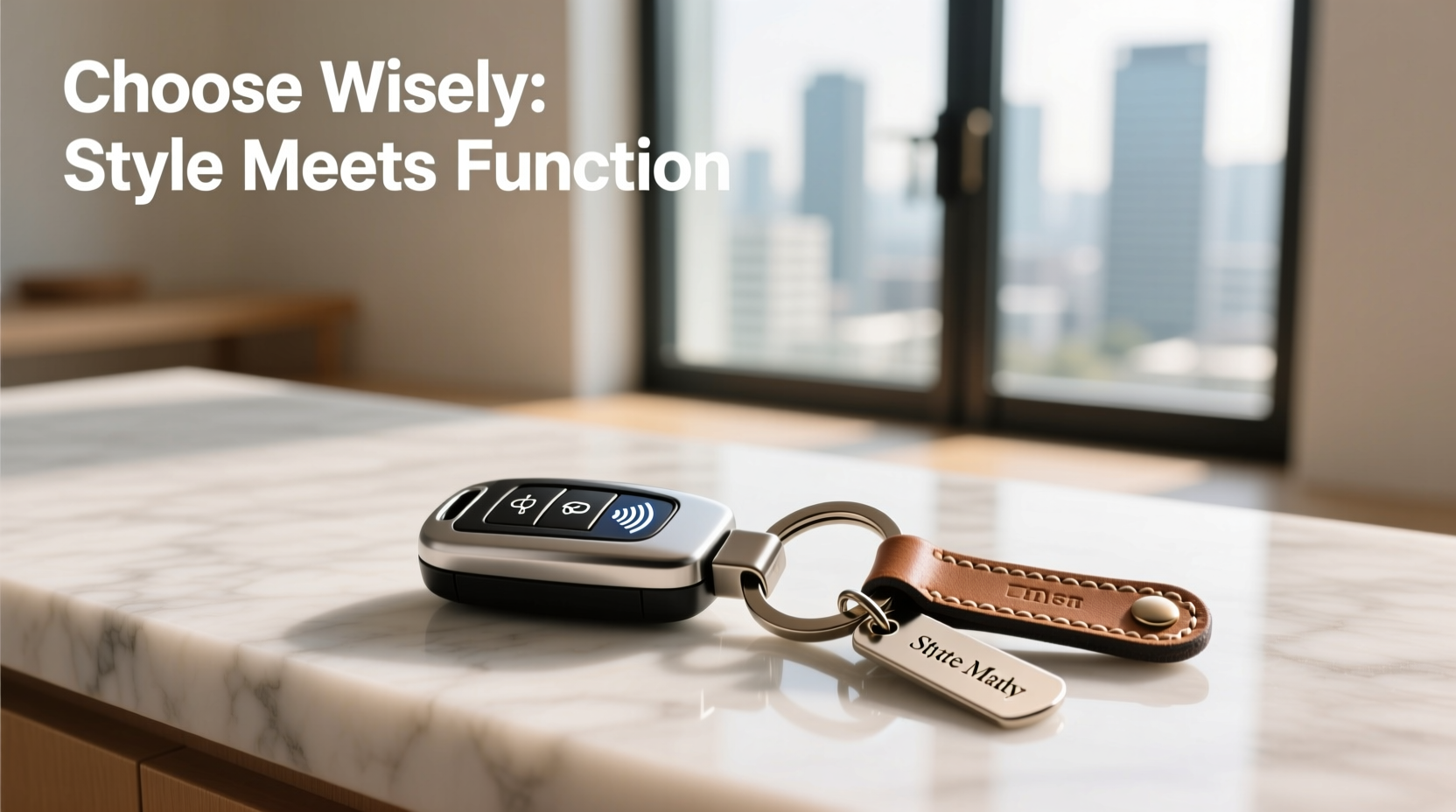
The first step in choosing the right keychain isn’t about looks—it’s about function. Consider how and where you use your keys each day. Do you carry them in a backpack, a small purse, or deep jeans pockets? Are you frequently driving rental cars, managing fleet vehicles, or using smart key fobs? Each scenario demands different features.
If you're often in low-light environments—like parking garages or dimly lit driveways—a keychain with a built-in LED light or reflective elements can be invaluable. For professionals who switch between office bags and gym duffels, compact and snag-free designs prevent damage to fabrics and accidental scratches on phones or sunglasses.
Outdoor enthusiasts or tradespeople might prioritize ruggedness. Materials like aerospace-grade aluminum or stainless steel resist corrosion from sweat, rain, or mud. Meanwhile, those in formal settings may prefer minimalist leather loops or discreet titanium clips that maintain a polished appearance.
Material Matters: Durability vs. Weight
The material of your keychain directly impacts its longevity and comfort. Common options include metal alloys, leather, silicone, nylon, and plastic—each with distinct advantages and trade-offs.
| Material | Pros | Cons | Best For |
|---|---|---|---|
| Stainless Steel | Durable, rust-resistant, premium feel | Heavy, can scratch surfaces | Long-term users, outdoor workers |
| Titanium | Lightweight, strong, corrosion-proof | Expensive, limited styles | Minimalists, frequent travelers |
| Leather | Soft grip, ages beautifully | Can degrade with moisture exposure | Style-conscious users |
| Silicone/Nylon | Flexible, quiet, weather-resistant | Less durable under constant stress | Active lifestyles, gym-goers |
| Plastic | Affordable, colorful | Breaks easily, cheap feel | Casual or temporary use |
Weight is often overlooked. Heavy metal chains or oversized novelty items add unnecessary load to your pocket or bag—and worse, they can damage the internal electronics of modern transponder keys. Over months, excessive weight may cause premature failure in delicate key fobs, especially when jostled during movement.
“Many customers don’t realize that dangling accessories increase mechanical stress on their key fob circuits. We see avoidable repairs due to poorly chosen keychains.” — David Lin, Automotive Locksmith & Key Systems Technician
Design Features That Improve Functionality
Beyond material, design determines how seamlessly your keychain integrates into daily life. Look for these functional attributes:
- Quick-detach mechanisms: Magnetic clasps or push-button releases let you separate your car key from other keys instantly—ideal for valet situations or shared vehicles.
- Modular systems: Some brands offer customizable key organizers where you can snap on only what you need, reducing clutter.
- Integrated tools: Multi-functional keychains with bottle openers, USB drives, or tire pressure gauges save space and boost utility.
- Low-profile shapes: Flat ovals or rounded edges slide smoothly out of pockets without catching fabric.
Consider also how the keychain attaches to your actual key. Split rings are common but difficult to manipulate. Upgrade to a rotating barrel swivel or a secure carabiner-style clip for easier attachment and reduced hand strain.
Mini Case Study: The Commuter’s Dilemma
Jamal, a city-based software developer, used to carry six keys on a thick chrome chain with a company-branded charm. Every morning, he struggled to find his car key buried among others. After two months, his key fob stopped responding reliably. A diagnostic revealed circuit fatigue from constant jostling. He switched to a slim titanium organizer with color-coded sliders and removed non-essential keys. Within weeks, both accessibility and fob performance improved significantly.
Style Without Sacrificing Substance
Your keychain doesn’t have to be purely utilitarian. It can express personality while remaining functional. However, aesthetics should enhance—not compromise—practicality.
Engraved initials, subtle textures, or understated brand logos add character without bulk. Leather wraps in rich browns or deep blacks complement business attire, while vibrant silicone bands suit casual wear. Even luxury materials like carbon fiber or ceramic inserts offer high-end appeal with minimal weight.
Avoid overly decorative items: large charms, noisy tags, or fragile enamel pieces tend to break or attract unwanted attention. In crowded areas, conspicuous keychains can become theft targets.
Step-by-Step Guide to Choosing Your Ideal Keychain
- Evaluate current pain points: Is your keychain too noisy? Hard to grab? Damaging your other belongings?
- Identify essential keys: Keep only what you use daily; store backups separately.
- Choose a primary material: Prioritize durability and weight based on your lifestyle.
- Select a functional design: Look for quick-release, modular, or low-profile features.
- Add subtle style elements: Incorporate color, texture, or engraving that reflects your taste.
- Test before committing: Try the keychain for a week. Does it stay secure? Is it comfortable to carry?
Frequently Asked Questions
Can a heavy keychain damage my car’s ignition?
Yes. Excess weight on a traditional metal key can wear down the ignition cylinder over time, leading to costly repairs. For vehicles with start-stop buttons, weight is less critical—but bulk can still impair portability and comfort.
Are smart keychains worth the investment?
For some users, yes. Bluetooth-enabled trackers (like Tile or Apple AirTag-compatible holders) help locate misplaced keys. Just ensure the added tech doesn’t make the unit too bulky or drain battery life unnecessarily.
How often should I replace my keychain?
Inspect annually for signs of wear—cracked leather, weakened clasps, frayed cords. Replace immediately if structural integrity is compromised. Well-made keychains can last 3–5 years with proper care.
Final Checklist Before You Buy
- ✅ Lightweight (under 1.5 oz / 40g recommended)
- ✅ Secure attachment mechanism (no accidental drops)
- ✅ Compatible with your key fob size and shape
- ✅ Resistant to rust, sweat, and UV exposure
- ✅ Easy to clean and maintain
- ✅ Matches your personal style without excess flair
Make the Right Connection
Your keychain is one of the most frequently handled objects in your daily life. By investing a few minutes to choose wisely, you gain not only convenience and peace of mind but also protection for a vital piece of technology. The ideal keychain balances strength, simplicity, and a touch of individuality—without compromising reliability. Whether you drive a daily commuter, a classic car, or manage multiple vehicles, the right choice makes every interaction smoother.




 浙公网安备
33010002000092号
浙公网安备
33010002000092号 浙B2-20120091-4
Comments
No comments yet. Why don't you start the discussion?