
Straw bags have become a staple of beach vacation fashion—lightweight, breathable, and effortlessly chic. But beyond aesthetics, the right straw bag must serve its purpose: carrying essentials comfortably, resisting wear from sun and sand, and complementing your personal style. With so many options available, choosing one that balances form, function, and longevity requires thoughtful consideration. This guide breaks down what to look for in a high-quality straw bag, offering practical advice to help you make a smart, lasting choice.
Understand the Different Types of Straw Materials
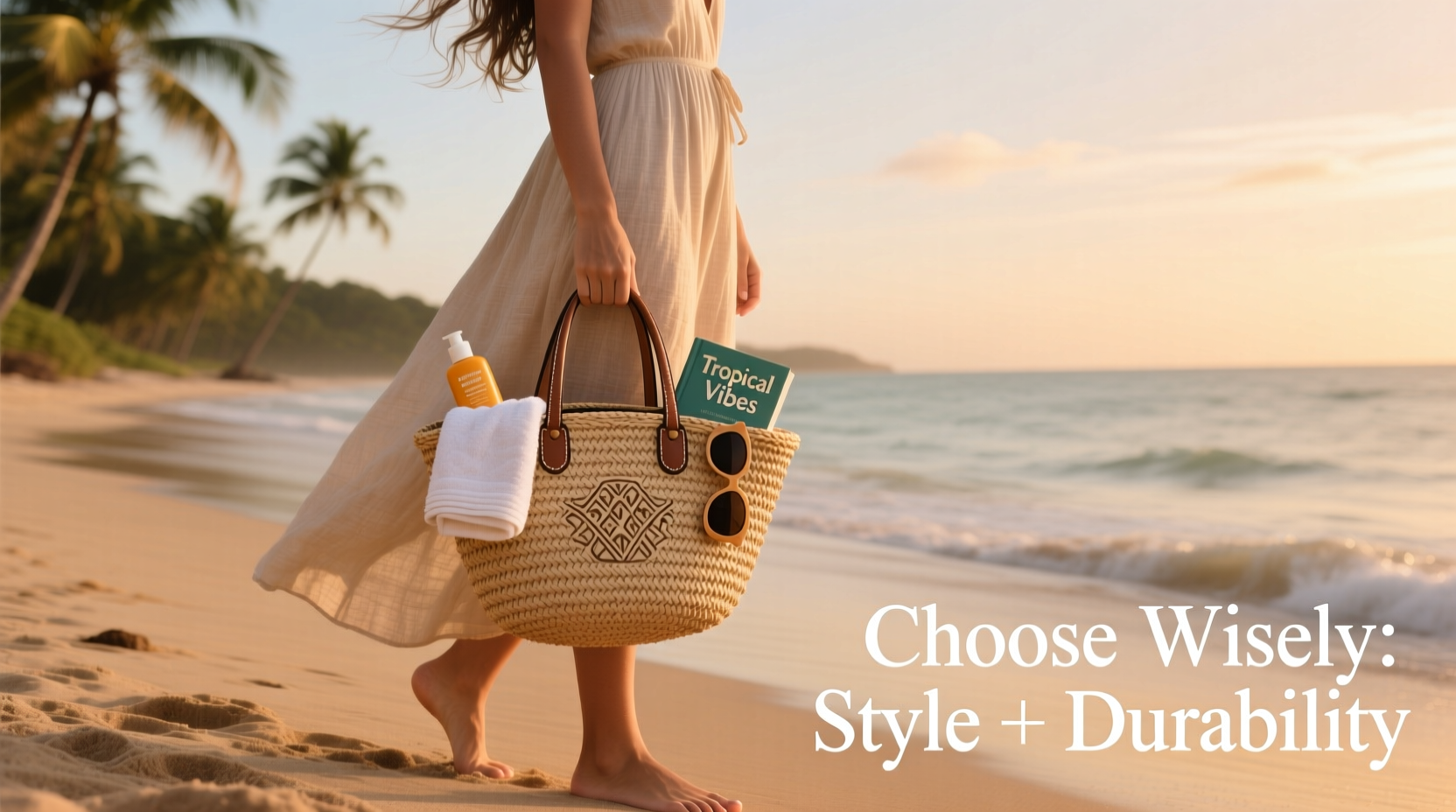
The foundation of any good straw bag lies in its material. Not all \"straw\" is created equal. The type of weave and plant fiber used significantly impacts durability, weight, and resistance to moisture.
- Toquilla Straw (Panama Hat Fiber): Lightweight and tightly woven, often used in high-end bags. Naturally water-resistant and durable when properly treated.
- Raffia: Soft and flexible, usually dyed in vibrant colors. Less durable than other types and prone to fraying when exposed to moisture.
- Sisal: Coarser and stiffer, offering excellent structure but less comfort on the shoulder. Ideal for structured totes.
- Seagrass: Water-resistant and sturdy, commonly used in coastal regions. Holds shape well and resists mold if dried properly.
- Bamboo: Often combined with fabric or leather trim. Strong and stylish, but heavier and more rigid.
Match Your Bag to Your Vacation Lifestyle
A beach bag isn’t just an accessory—it’s a functional companion. Your travel habits should dictate size, closure type, and interior layout.
If you're lounging by the shore with just sunscreen and a book, a small tote or bucket bag may suffice. But if you’re hopping between markets, cafes, and seaside walks, opt for a medium to large tote with compartments.
Consider These Use Cases:
- Minimalist Beachgoer: Compact crossbody or drawstring pouch with room for phone, keys, and sunglasses.
- Frequent Traveler: Roomy tote with zippered inner pocket and adjustable strap for easy carrying.
- Family Vacationer: Structured basket-style bag with reinforced handles and multiple pockets for diapers, snacks, and towels.
“Function doesn’t have to sacrifice style. The best straw bags are designed with daily use in mind.” — Lena Moretti, Sustainable Fashion Consultant
Durability Features That Matter
A beautiful bag is useless if it falls apart after two days. Prioritize construction details that enhance longevity.
Key Durability Indicators:
- Reinforced Handles: Look for double stitching or leather/fabric reinforcements at stress points.
- Lined Interior: A cotton or polyester lining protects contents and makes cleaning easier.
- Water-Resistant Treatment: Some modern straw bags come with light coatings that repel sand and moisture.
- Secure Closures: Drawstrings, zippers, or magnetic snaps prevent loss of items during transit.
| Feature | Why It Matters | What to Look For |
|---|---|---|
| Tight Weave | Prevents sand from seeping through | No visible holes between strands |
| Stitched Seams | Reduces risk of unraveling | Double or triple stitching at corners |
| Interior Lining | Protects contents and adds structure | Machine-washable fabric preferred |
| Adjustable Strap | Improves comfort and versatility | Leather or fabric straps over thin rope |
Style That Lasts Beyond One Season
While trends come and go, timeless design ensures your straw bag remains a favorite year after year. Neutral tones like natural beige, ivory, or espresso brown pair easily with swimwear, linen dresses, and resort wear. If you prefer bold statements, consider adding color through removable tassels or scarves instead of committing to a dyed bag that may fade.
Classic shapes—like rectangular totes, cylindrical bucket bags, or trapezoidal satchels—tend to stay in style longer than novelty silhouettes. Also, consider hardware details: brass zippers and wooden toggles add elegance and are typically more durable than plastic equivalents.
Step-by-Step Guide: How to Select the Perfect Straw Bag
- Assess Your Needs: List what you’ll carry daily (towel, book, phone, wallet, etc.) to determine size.
- Check Material Quality: Run your fingers over the weave—tight, smooth, and consistent texture indicates quality.
- Test the Structure: Gently press on the base and sides. A well-made bag should hold its shape without collapsing.
- Evaluate Comfort: Try it on—ensure straps aren’t too thin or rough for shoulder wear.
- Inspect Interior Details: Look for at least one secure pocket for valuables.
- Verify Care Instructions: Confirm whether the bag can be wiped clean or needs special treatment.
- Compare Price vs. Value: A higher upfront cost may save money long-term if the bag lasts multiple seasons.
Mini Case Study: Sarah’s Coastal Getaway Dilemma
Sarah booked a week-long trip to the Amalfi Coast and wanted a stylish yet practical bag for daily excursions. She initially chose a trendy raffia bag with pom-poms—lightweight and photogenic—but within three days, the bottom weakened from dragging on cobblestone streets, and the lining tore when she stuffed in a wet towel.
For her next trip, she invested in a seagrass tote with a cotton lining, leather-trimmed handles, and a zippered inner pocket. Though slightly more expensive, it survived saltwater exposure, held all her essentials, and even doubled as a market bag. The improved durability and thoughtful design made it a trusted companion across multiple vacations.
Care Tips to Extend Your Bag’s Lifespan
Even the best-made straw bag requires maintenance. Sand, salt, and humidity accelerate wear if not addressed promptly.
- Shake out sand daily and wipe the interior with a damp cloth.
- Avoid leaving the bag in direct sunlight for extended periods—UV rays weaken fibers.
- Never machine wash unless explicitly stated by the manufacturer.
- Store in a breathable cotton bag during off-seasons—never in plastic, which traps moisture.
- Use a fabric protector spray designed for natural fibers to resist spills and stains.
“Consistent care and proper storage can double a bag’s lifespan.” — Emma Clarke, Fashion Care Expert
Checklist: Before You Buy a Straw Bag
- ✅ I know my typical daily load (size check)
- ✅ The weave is tight and uniform
- ✅ Handles are reinforced and comfortable
- ✅ It has at least one secure interior pocket
- ✅ The bag feels sturdy, not flimsy
- ✅ It complements multiple outfits
- ✅ Care instructions are clear and manageable
Frequently Asked Questions
Can I bring a straw bag into saltwater?
Yes, but avoid submerging it. Salt and moisture can degrade fibers over time. Rinse sand off with fresh water and let it air dry away from direct heat.
How do I clean a stained straw bag?
Use a soft-bristled brush and a mix of mild soap and lukewarm water. Gently scrub the affected area, then wipe with a damp cloth. Never soak the bag. Let it dry naturally in a shaded, ventilated area.
Are expensive straw bags worth it?
Often, yes. Higher-priced bags typically use superior materials, tighter weaves, and better linings. They’re also more likely to be ethically made and sustainably sourced, offering long-term value over fast-fashion alternatives.
Final Thoughts: Make a Choice That Serves You
Choosing the ideal straw bag isn’t about chasing trends—it’s about finding harmony between how you live and how you want to feel. A great beach bag supports your adventures without compromising on comfort or ethics. By focusing on material quality, structural integrity, and personal utility, you invest in more than just an accessory. You choose a reliable companion for summers to come.




 浙公网安备
33010002000092号
浙公网安备
33010002000092号 浙B2-20120091-4
Comments
No comments yet. Why don't you start the discussion?