
As summer fades into autumn, wardrobes shift from light layers to richer textures and deeper tones. This seasonal transition is more than just a change in clothing—it’s an opportunity to refine your accessories. Among the most versatile and stylish choices for the season is the underarm tote. Compact, elegant, and effortlessly functional, it has become a staple for professionals, creatives, and urban commuters alike. But not all underarm totes are created equal. Choosing the right one requires balancing aesthetics, utility, and physical comfort—especially when worn daily.
The ideal underarm tote should complement your autumn wardrobe, carry essentials without strain, and feel natural tucked under your arm. With so many materials, shapes, and closures available, making the best choice can be overwhelming. This guide breaks down the essential factors to consider, offering actionable advice to help you select a bag that enhances both your look and lifestyle.
Understand the Role of Material in Seasonal Suitability
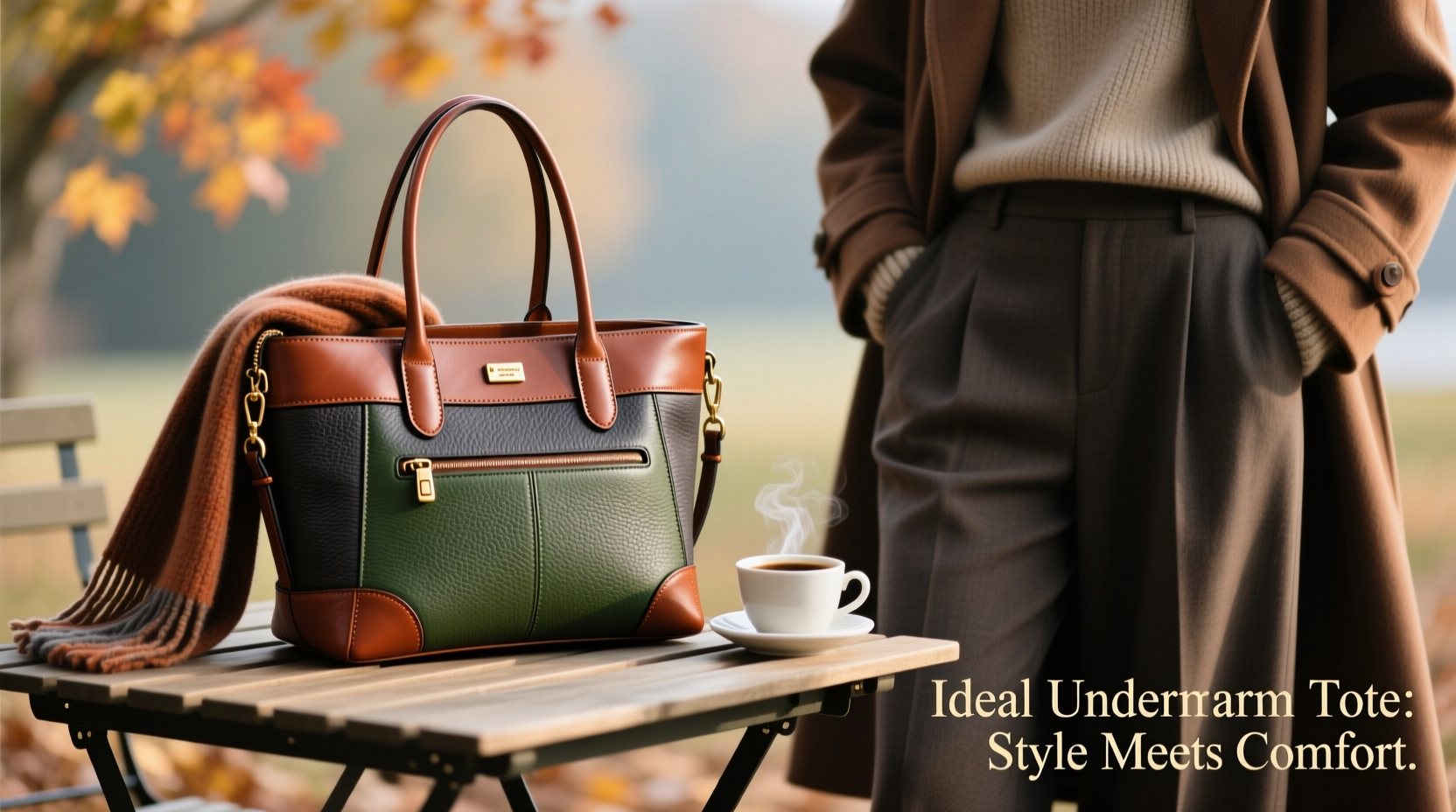
Autumn brings unpredictable weather—crisp mornings, sudden rain, and fluctuating temperatures. Your underarm tote must withstand these conditions while maintaining its appearance. The material you choose directly impacts durability, texture, and compatibility with outerwear.
Leather remains a top contender for autumn due to its resilience and timeless appeal. Full-grain or vegetable-tanned leather develops a rich patina over time and handles moisture better than synthetic alternatives. However, if sustainability is a priority, high-quality vegan leathers made from cork, apple fiber, or recycled polyurethane offer a cruelty-free option with improved breathability and water resistance.
Cotton canvas or waxed cotton totes provide a casual, rugged charm suitable for weekend outings or creative environments. They’re lightweight but may absorb moisture if caught in the rain. For those in wetter climates, opt for water-resistant finishes or carry a compact cover.
Size and Proportion: Fit Without Bulk
The hallmark of a good underarm tote is its compactness. It should sit snugly between your ribcage and elbow, not swing freely or press uncomfortably against your torso. An oversized tote defeats the purpose of this style, which thrives on sleek minimalism.
Aim for dimensions around 10–13 inches in width and 7–9 inches in height. Depth should be modest—no more than 3–4 inches—to prevent bulk. Test proportions by visualizing the bag alongside your frame. Petite individuals should lean toward the smaller end of the spectrum, while taller frames can accommodate slightly wider silhouettes.
Consider what you need to carry daily: phone, wallet, keys, small notebook, lip balm, and perhaps sunglasses. If your essentials exceed this, an underarm tote might not be your primary carrier—but it can still serve as a secondary “edit” bag for streamlined outings.
| Bag Width | Best For | Caution |
|---|---|---|
| 9–10 inches | Petite frames, minimalist needs | May not fit larger smartphones |
| 11–12 inches | Average build, daily essentials | Ideal balance of space and proportion |
| 13+ inches | Taller users, extra items | Risk of looking bulky under arm |
Comfort Through Design: Handles, Weight, and Balance
An underarm tote isn’t meant to be slung over a shoulder or carried by hand all day. Its ergonomic success depends on how it interacts with your body. The handle design is critical: too narrow, and it cuts into your arm; too wide, and it slips out easily.
Opt for tubular or padded handles with a diameter of at least 1.5 inches. These distribute pressure evenly and reduce friction during movement. A slight curve or inward angle in the handle helps cradle the arm naturally. Additionally, ensure the bag’s center of gravity aligns with your torso—top-heavy designs pull forward and cause discomfort.
Weight matters more than many realize. A fully loaded bag shouldn’t exceed 2.5–3 pounds. Choose lightweight construction materials and avoid unnecessary hardware like metal feet or excessive zippers unless they serve a clear purpose.
“Ergonomics in accessory design is often overlooked. A well-balanced underarm tote should feel like an extension of your body, not a burden.” — Lena Torres, Product Designer at Urban Carry Co.
Style Meets Season: Matching Your Autumn Aesthetic
Autumn fashion leans into earthy hues—burnt orange, deep olive, burgundy, chocolate brown, and charcoal gray. These colors not only reflect the season’s palette but also pair seamlessly with denim, wool coats, and layered knits. When selecting your tote, prioritize shades that either contrast subtly or blend cohesively with your most-worn outerwear.
Neutral tones like taupe, black, or dark tan offer maximum versatility. If you enjoy bolder statements, consider a muted jewel tone such as forest green or plum. Avoid bright or pastel colors unless they align with a specific personal style theme.
Texture plays a role too. Pebbled leather adds subtle dimension, while smooth calfskin delivers polish. Woven fabrics or quilted stitching introduce tactile interest without compromising the clean lines typical of underarm totes.
Real-World Use: A Day in the Life of an Underarm Tote User
Sophie, a graphic designer based in Portland, switched to an underarm tote last autumn after years of using crossbody bags. She found them prone to swinging during walks and uncomfortable under tailored jackets. Her new compact leather tote, measuring 11 inches wide with a padded handle, changed her routine.
She carries her phone, sketchbook, AirPods, and lip balm—everything she needs for client meetings and coffee shop work sessions. “It stays put under my coat,” she says, “and I don’t have to adjust it every few minutes. Plus, it looks intentional, not like I’m just hauling things around.”
The bag’s chestnut color complements her wool blazers and turtlenecks, and its water-resistant finish held up during an unexpected drizzle. After six months of near-daily use, it shows only gentle wear—a testament to thoughtful selection.
Your Selection Checklist: 7 Key Questions to Ask
Before purchasing, run through this checklist to ensure your underarm tote meets both practical and aesthetic standards:
- Does the width allow it to rest comfortably under my arm without slipping?
- Is the handle padded or rounded enough to prevent digging?
- Can it fit my daily essentials without overstuffing?
- Does the material suit autumn conditions (e.g., water resistance, warmth)?
- Does the color coordinate with at least three of my autumn outfits?
- Is the total weight under 3 pounds when empty?
- Are the closure and interior layout functional (e.g., zip-top, inner pocket)?
Frequently Asked Questions
Can I use an underarm tote as a work bag?
Yes, if your work essentials are minimal. It works best for professionals who carry only digital devices, notebooks, and cards. Pair it with a larger briefcase or backpack for days requiring more gear.
How do I prevent the bag from slipping out from under my arm?
Choose a bag with a curved handle and slightly tapered sides. Hold it lightly with your forearm when walking briskly. Avoid placing heavy items at the top, which can shift the balance forward.
Are underarm totes suitable for travel?
They excel as city-travel companions—ideal for sightseeing, airport transit, or café hopping. Use it as a personal item to keep passport, phone, and snacks accessible while relying on a suitcase or carry-on for bulkier needs.
Final Thoughts: Elevate Your Autumn Routine
Selecting the ideal underarm tote isn’t just about following trends—it’s about curating a tool that supports your rhythm, reflects your taste, and eases your daily load. In autumn, when layers accumulate and routines grow busier, having a reliable, comfortable, and stylish companion makes a tangible difference.
Invest time in evaluating materials, proportions, and ergonomics. Try before you buy if possible, mimicking real-use scenarios. When you find the right match, it won’t just carry your belongings—it will enhance your posture, streamline your movements, and elevate your presence.




 浙公网安备
33010002000092号
浙公网安备
33010002000092号 浙B2-20120091-4
Comments
No comments yet. Why don't you start the discussion?