
Every parent wants their child to feel cozy, unrestricted, and protected throughout the day. Clothing plays a crucial role in that comfort—but not all fabrics are created equal. Children’s skin is more sensitive than adults’, making fabric choice a critical decision. From irritation and allergies to overheating or restricted movement, the wrong material can cause discomfort or even health concerns. Understanding which fabrics offer both safety and softness helps ensure your child stays happy, healthy, and free to explore.
Why Fabric Matters for Children’s Clothing
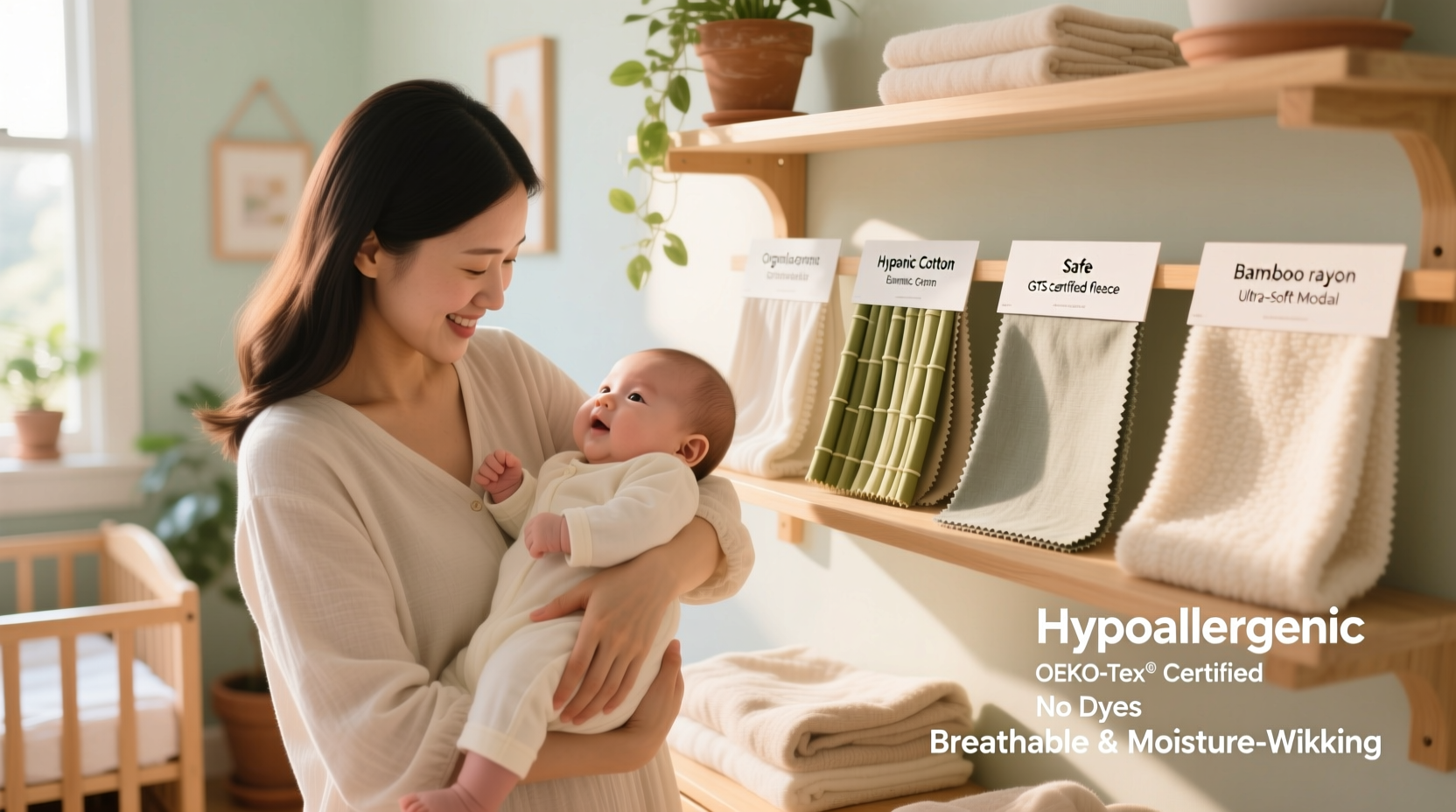
A child’s skin is thinner, more permeable, and less capable of regulating temperature than an adult’s. This makes it more vulnerable to irritants, allergens, and environmental changes. Synthetic fibers like polyester or nylon may trap heat and moisture, increasing the risk of rashes or overheating. Chemical finishes used in some mass-produced garments—such as formaldehyde resins for wrinkle resistance or flame retardants—can also trigger allergic reactions or respiratory issues.
Natural, breathable fabrics tend to be gentler on delicate skin. They allow air circulation, wick away moisture, and reduce friction. But even natural fibers vary in quality and processing. Organic cotton, for instance, avoids pesticides and harsh dyes, making it safer than conventional cotton treated with chemicals.
“Parents often focus on style or price, but the fabric directly impacts a child’s comfort, skin health, and long-term well-being.” — Dr. Lena Patel, Pediatric Dermatologist
Top Safe and Comfortable Fabrics for Kids
When selecting clothing, prioritize materials that are soft, breathable, hypoallergenic, and durable enough to withstand frequent washing. The following fabrics consistently meet these criteria:
- Organic Cotton: Grown without synthetic pesticides or fertilizers, this fabric is soft, breathable, and ideal for sensitive skin. It’s widely available and easy to care for.
- Merino Wool: Despite being wool, merino is exceptionally fine and non-itchy. It regulates body temperature, resists odors, and wicks moisture—perfect for layering in cooler weather.
- Bamboo Rayon (from viscose): Soft as silk and naturally antibacterial, bamboo fabric is eco-friendly when processed sustainably. However, avoid bamboo labeled “rayon” if the manufacturing process uses heavy chemicals.
- Hemp: Naturally resistant to mold and UV rays, hemp becomes softer with each wash. It’s strong, sustainable, and often blended with cotton for added comfort.
- TENCEL™ (Lyocell): Made from sustainably sourced wood pulp, TENCEL™ is silky, breathable, and biodegradable. Its closed-loop production minimizes chemical waste.
Fabrics to Avoid or Use with Caution
Certain fabrics may look appealing but pose risks for children due to texture, breathability, or chemical treatments. These should be avoided, especially for babies and toddlers:
| Fabric | Risk Factors | Recommended Use |
|---|---|---|
| Polyester | Traps heat and sweat; may contain phthalates or antimony | Limited outerwear only |
| Nylon | Non-breathable; prone to static and skin irritation | Not recommended for daily wear |
| Acrylic Wool | Can be scratchy; releases microplastics when washed | Avoid for infants |
| Conventional Cotton (non-organic) | Often treated with pesticides and synthetic dyes | Only if certified low-impact dyes used |
| Vinyl or PVC-coated fabrics | Contains endocrine-disrupting plasticizers like phthalates | Avoid entirely |
Real Example: A Toddler’s Skin Reaction
Sarah noticed her two-year-old developed red patches on his arms and back every time he wore a popular brand of printed pajamas. After ruling out food and environmental allergies, she switched to organic cotton sleepwear. Within days, the rash cleared up. Upon checking the label, she discovered the original pajamas were made of 100% polyester with unverified dyes. This case highlights how seemingly harmless clothing can trigger dermatological responses in sensitive children.
Step-by-Step Guide to Choosing Safe Kids’ Clothing
Selecting the right fabric doesn’t have to be overwhelming. Follow this practical sequence to make informed decisions:
- Assess the climate and season: Choose lightweight, breathable fabrics like cotton or TENCEL™ for warm weather; opt for merino wool or fleece-lined organic cotton in colder months.
- Read the label carefully: Look for 100% natural fibers or high percentages of safe synthetics only when necessary (e.g., spandex for stretch).
- Check for certifications: Prioritize garments with GOTS, OEKO-TEX® Standard 100, or USDA Organic labels, which verify low chemical use.
- Feel the fabric: Run your hand over the inside seams and tags. If it feels rough or stiff, it may irritate your child’s skin.
- Wash before first use: Even safe fabrics can carry residues from manufacturing. Wash new clothes in fragrance-free detergent.
- Monitor for reactions: Watch for signs of redness, itching, or fussiness after dressing your child in new items.
Essential Checklist for Parents
Use this checklist before purchasing any children’s clothing:
- ✅ Fabric is primarily natural (cotton, wool, bamboo, hemp, TENCEL™)
- ✅ Free from synthetic fragrances or dyes
- ✅ Certified by GOTS, OEKO-TEX®, or similar standard
- ✅ Tags are sewn into side seams or made of soft fabric
- ✅ No plastic embellishments or vinyl prints
- ✅ Pre-washed or easily washable without shrinking
- ✅ Designed for ease of movement (elastic waistbands, stretch panels)
Frequently Asked Questions
Is bamboo fabric safe for babies?
Yes, bamboo is generally safe and highly absorbent, making it excellent for baby clothing and diapers. However, ensure it’s processed using closed-loop methods (like lyocell) rather than traditional viscose, which may involve harmful solvents.
Can my child be allergic to cotton?
True cotton allergies are rare, but reactions can occur due to residual pesticides or dyes in non-organic cotton. Opt for certified organic cotton to minimize this risk.
How often should I replace worn-out clothing?
Replace garments that show signs of excessive pilling, thinning, or stiffness—even natural fabrics degrade over time. Worn textiles lose breathability and may harbor bacteria despite washing.
Creating a Safer Wardrobe Over Time
You don’t need to overhaul your child’s closet overnight. Start by replacing high-contact items like underwear, sleepwear, and everyday shirts with safer fabrics. Gradually phase out synthetic-heavy pieces as they wear out. Consider secondhand options made from natural fibers—just wash them thoroughly before use. Building a thoughtful wardrobe takes time, but each small change reduces exposure to irritants and supports better skin health.
“The safest fabric isn’t always the softest at first touch—it’s the one that performs well after washing, wears comfortably all day, and doesn’t compromise a child’s health.” — Maria Gonzalez, Sustainable Textile Consultant
Final Thoughts
Choosing the most comfortable and safe fabrics for your child goes beyond aesthetics or trends. It’s about protecting their developing bodies, supporting their freedom of movement, and minimizing exposure to hidden toxins. By prioritizing natural, certified materials and paying attention to construction details, you create a wardrobe that nurtures rather than irritates.




 浙公网安备
33010002000092号
浙公网安备
33010002000092号 浙B2-20120091-4
Comments
No comments yet. Why don't you start the discussion?