
When temperatures rise, a well-chosen baseball cap can be more than just a fashion statement—it’s functional sun protection and a comfort essential. Yet many people end up with caps that trap heat, slip off easily, or clash with their personal style. The ideal summer cap should keep your head cool, stay securely in place, shield you from UV rays, and complement your look without sacrificing performance. With countless materials, fits, and features on the market, making the right choice requires knowing what truly matters under the summer sun.
Understand the Role of Fabric in Heat Management
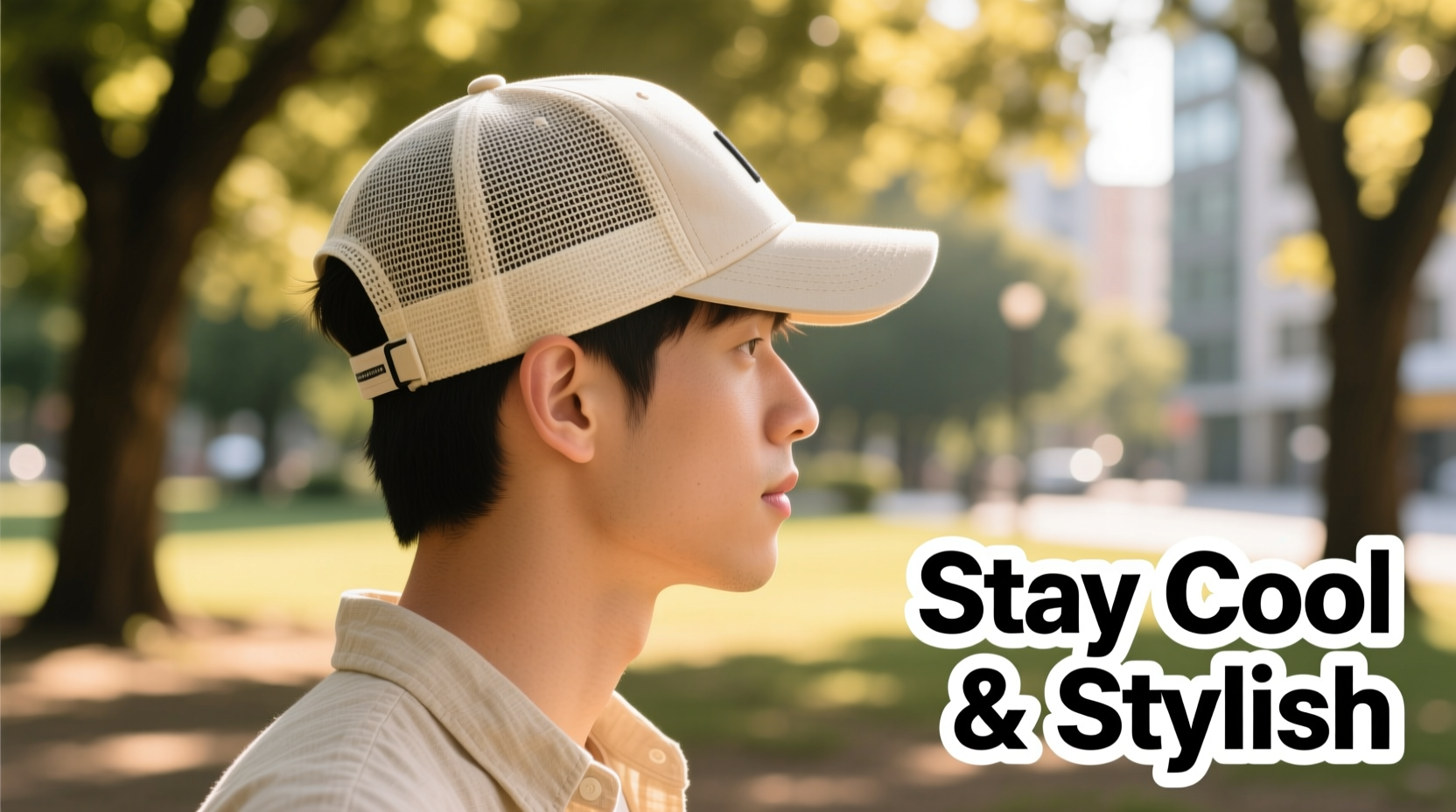
The material of your baseball cap directly impacts how hot your head gets. Not all fabrics breathe equally, and some even absorb moisture instead of wicking it away. In high heat, your scalp can sweat significantly, and if the cap doesn’t allow airflow or moisture escape, discomfort sets in quickly.
Cotton is popular for its soft feel and classic appearance, but it retains moisture and offers limited breathability. While cotton blends may improve durability, they often don’t solve the overheating issue. Performance-driven fabrics like polyester, nylon, or moisture-wicking synthetics are engineered to pull sweat away from the skin and dry quickly. Many modern caps use mesh panels made from breathable synthetic fibers, which dramatically increase ventilation around the crown and back of the head.
Some premium options incorporate antimicrobial treatments to prevent odor caused by prolonged wear in humid conditions. These treatments are especially useful for outdoor enthusiasts who spend extended periods in the sun.
Fit and Structure: Balancing Comfort and Function
A cap that fits poorly will never be comfortable, no matter how breathable the fabric. The structure of the cap influences both shape retention and airflow. Structured caps have stiff front panels that maintain a crisp silhouette, while unstructured caps are softer and conform more closely to the head.
For summer wear, semi-structured or unstructured designs often offer greater comfort because they allow slight flexibility and reduce pressure points. However, structured caps provide better shade due to their deeper brims, so the choice depends on your priorities—maximum coverage or maximum breathability.
Adjustability also plays a key role. Snapback and strapback closures let you fine-tune the fit, accommodating different head sizes and hairstyles. Flex-fit elastic bands offer a one-size-fits-most solution but may not suit larger or smaller heads comfortably. If you plan to wear the cap during physical activity, consider a secure, low-profile closure that won’t bounce or shift.
“Head circumference varies more than people realize. A properly fitted cap shouldn’t leave indentations on your forehead or slide forward when you tilt your head.” — Dr. Lena Torres, Ergonomic Apparel Researcher
Design Features That Enhance Summer Wear
Beyond fabric and fit, specific design elements make a meaningful difference in real-world comfort. Consider these features when selecting your summer cap:
- Vented mesh panels: Located at the sides and back, these allow continuous airflow and reduce heat retention.
- UPF-rated fabric: Some caps come with Ultraviolet Protection Factor (UPF) ratings (e.g., UPF 50+), blocking over 98% of harmful UV radiation.
- Sweat-wicking inner band: A moisture-absorbing ribbon inside the cap helps keep sweat out of your eyes and prevents slipping.
- Curved vs. flat brim: A slightly curved brim provides better glare reduction and rain runoff, while flat brims offer a more modern aesthetic but may catch wind.
- Light-colored exteriors: Dark colors absorb heat; lighter shades reflect sunlight and help keep the surface cooler.
Style Meets Practicality: Matching Your Cap to Your Lifestyle
Your daily routine should guide your style choices. A minimalist linen cap might suit a casual beach outing, but someone hiking mountain trails needs durable, quick-dry materials with superior ventilation.
Fashion-forward wearers often lean toward vintage washes, embroidered logos, or trucker-style silhouettes with bold branding. Athletes and outdoor workers prioritize function—think adjustable straps, reinforced stitching, and hidden ventilation channels. Urban commuters may prefer sleek, low-profile caps in neutral tones that transition easily from day to evening.
Consider this real-life scenario: Maya, a landscape photographer, spends hours outdoors shooting in direct sunlight. She used to wear a standard cotton cap but found herself constantly wiping sweat and readjusting it. After switching to a lightweight, UPF 50+ cap with side mesh panels and a moisture-control sweatband, she noticed less fatigue, fewer distractions, and even improved focus during long shoots.
| Feature | Best For | Avoid If |
|---|---|---|
| Mesh-backed polyester | Hiking, running, cycling | You prefer a structured, formal look |
| Organic cotton canvas | Casual wear, urban settings | You're in high-humidity environments |
| Trucker-style (foam front + mesh) | Hot climates, driving, festivals | You need maximum sun coverage |
| Linen blend | Beach outings, relaxed settings | Durability and sweat resistance are critical |
Step-by-Step Guide to Choosing Your Ideal Summer Cap
- Assess your primary use: Will you wear it for sports, commuting, travel, or fashion? This determines priority features.
- Measure your head: Use a soft tape measure around the widest part of your head (just above the ears). Compare with brand sizing charts.
- Prioritize ventilation: Choose caps with mesh panels, perforated crowns, or open-weave fabrics.
- Check for UV protection: Look for UPF labeling or tightly woven fabrics that block sunlight effectively.
- Test the sweatband: Ensure it’s moisture-wicking and non-irritating, especially if you perspire heavily.
- Evaluate adjustability: Opt for snapbacks or straps if you want a precise fit; avoid one-size-fits-all unless verified for your size.
- Match to your wardrobe: Select colors and styles that coordinate with your summer outfits—neutrals offer versatility, brights add flair.
Frequently Asked Questions
Can I wear a baseball cap every day in summer?
Yes, but rotate between two or three caps to allow each time to air out and prevent excessive wear. Daily use accelerates fabric breakdown and odor buildup, especially without proper care.
How do I clean a sweaty baseball cap?
Hand wash with mild detergent and lukewarm water. Gently scrub the sweatband and interior, rinse thoroughly, and air dry on a rounded object (like a can or bowl) to maintain shape. Avoid machine washing unless the label specifies it’s safe.
Are straw or fabric caps better for extreme heat?
Straw offers excellent natural breathability but minimal UV protection. Modern performance fabric caps with UPF ratings and ventilation are generally safer and more durable in intense sun exposure.
Making the Right Choice for Long-Term Comfort
Selecting the most comfortable baseball cap for summer isn’t about following trends—it’s about aligning function with personal needs. The best cap feels almost invisible during wear: it stays cool, stays put, protects your skin, and enhances your appearance without drawing attention to itself. By focusing on breathable materials, secure yet gentle fit, smart design details, and lifestyle compatibility, you can find a cap that performs as well as it looks.




 浙公网安备
33010002000092号
浙公网安备
33010002000092号 浙B2-20120091-4
Comments
No comments yet. Why don't you start the discussion?