
In today’s fast-paced world, your iPhone is more than a device—it’s a lifeline for communication, navigation, work, and memories. Yet one of the most common threats to its longevity isn’t software failure or battery decay; it’s gravity. A single drop can lead to shattered glass, internal damage, or costly repairs. That’s why selecting the right anti-fall iPhone case isn’t optional—it’s essential. Not all cases are created equal, and understanding what makes a case truly protective can save you hundreds in replacement costs and endless frustration.
This guide breaks down the science behind impact resistance, evaluates critical design elements, and delivers actionable advice from industry experts and real users. Whether you’re an active professional, a parent, or someone who simply drops their phone more often than they’d like to admit, these insights will help you make a smart, informed decision.
Understanding Impact Protection: What Makes a Case Truly Drop-Resistant?
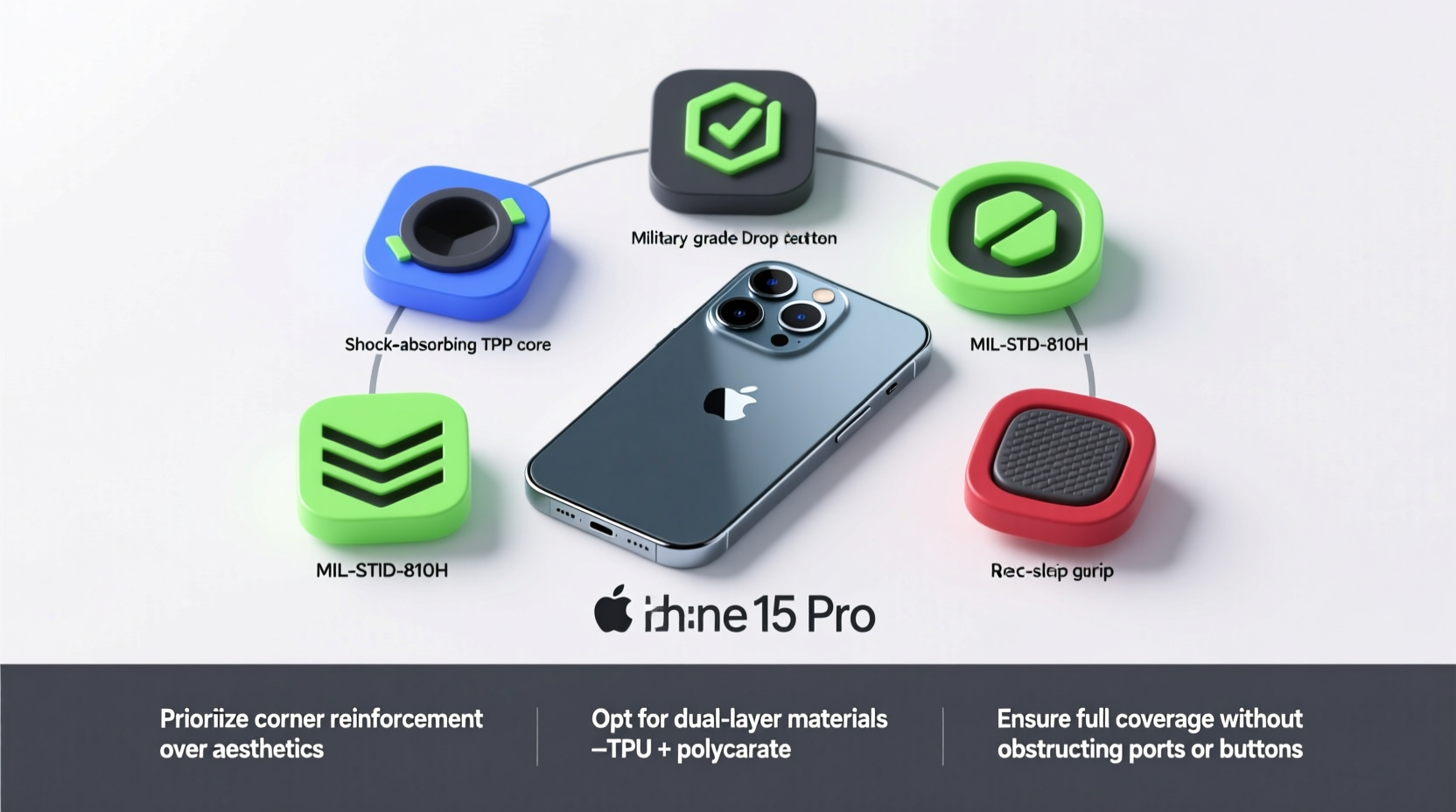
The effectiveness of an anti-fall case hinges on its ability to absorb and disperse kinetic energy during a fall. When your phone hits the ground, force travels through the casing and into the internal components. A high-quality protective case acts as a buffer, reducing that force before it reaches your screen or logic board.
Key mechanisms include:
- Shock-absorbing materials: Thermoplastic polyurethane (TPU) and silicone are flexible enough to compress on impact, absorbing energy.
- Multilayer construction: Many top-tier cases combine rigid polycarbonate outer shells with soft inner linings to balance structure and cushioning.
- Corner reinforcement: Since 80% of drops land on a corner, reinforced bumpers or air-cushion technology at each corner significantly increase survivability.
“Drop testing isn’t just about height—it’s about surface type, angle of impact, and repeated stress. The best cases exceed military-grade standards (MIL-STD-810G) across multiple variables.” — Dr. Lena Patel, Materials Engineer at Mobile Durability Labs
Must-Have Features in an Effective Anti-Fall Case
When shopping for a rugged yet functional iPhone case, look beyond aesthetics. Prioritize engineering over style, even if both can coexist. Here are the non-negotiable features:
Elevated Edges for Screen and Camera Protection
A case with raised bezels around the screen ensures that when you lay your phone face-down, the glass doesn’t touch the surface. Similarly, elevated camera rings prevent lens scratches—a common issue even without drops.
Drop Certification and Independent Testing
Look for cases tested to withstand drops from at least 6–10 feet. Brands like OtterBox, UAG, and Supcase publish third-party lab results. Avoid vague claims like “heavy-duty” without measurable proof.
Precision Fit and Port Accessibility
A poorly fitted case can shift on impact, reducing protection. Ensure exact cutouts for speakers, charging ports, and buttons. Tactile button covers should still allow full responsiveness.
Grip and Texture Design
Slick surfaces increase slip risk. Textured sides, rubberized coatings, or ridged patterns enhance grip, especially in wet or cold conditions.
Material Comparison: Which One Offers the Best Fall Protection?
| Material | Impact Resistance | Durability | Weight & Feel | Best For |
|---|---|---|---|---|
| TPU (Thermoplastic Polyurethane) | High – absorbs shock well | Moderate – may yellow over time | Flexible, slightly sticky feel | Daily use with moderate drop risk |
| Polycarbonate + TPU Hybrid | Very High – rigid shell + soft core | High – resists cracking | Balanced – sturdy but not heavy | Active lifestyles, outdoor use |
| Silicone | Moderate – good grip, less structural support | Low – attracts dust, degrades faster | Soft, smooth, prone to slipping | Style-focused users with low drop frequency |
| Aluminum/Armor-Grade Polymers | Extreme – used in tactical cases | Very High – nearly indestructible | Heavy, bulky | Construction, fieldwork, extreme environments |
Expert Tips for Maximizing Your Case’s Protective Value
Even the best case can underperform if misused or improperly maintained. Follow these proven strategies to ensure consistent protection:
- Replace worn cases immediately: Cracks, warping, or loss of elasticity reduce shock absorption. Inspect your case monthly.
- Avoid cheap knockoffs: Third-party cases often mimic designs but lack rigorous testing. Stick to reputable brands with transparent certifications.
- Pair with a screen protector: A case protects edges and back, but only a tempered glass shield defends against direct screen impacts.
- Keep ports clean: Dirt buildup can interfere with snug fit, compromising structural integrity during impact.
- Don’t mix cases: Layering cases may seem like added protection, but it can create instability and uneven force distribution.
Mini Case Study: How a Rugged Case Saved a Phone from a Three-Story Fall
Mark T., a construction site supervisor in Denver, accidentally dropped his iPhone 14 Pro from a third-floor balcony during a routine inspection. The phone fell approximately 30 feet onto concrete. It was encased in a UAG Monarch Series model, rated for 10-foot MIL-STD drops. Upon retrieval, the case had cracked at one corner—but the phone powered on without issue. The screen was intact, and no internal functions were impaired. Mark credits the layered design and corner air pockets for absorbing the majority of the impact. This real-world example underscores that certified protection performs under extreme conditions, not just lab simulations.
Your Anti-Fall Case Selection Checklist
Before purchasing, run through this checklist to ensure maximum safety and usability:
- ✅ Meets or exceeds MIL-STD-810G drop standard
- ✅ Features reinforced corners with air-cushion or dual-layer tech
- ✅ Has raised edges for screen and camera
- ✅ Made from hybrid TPU/polycarbonate or equivalent durable composite
- ✅ Maintains wireless charging compatibility
- ✅ Offers textured grip without excessive bulk
- ✅ Includes warranty or satisfaction guarantee
Frequently Asked Questions
Do all “rugged” cases offer the same level of protection?
No. While many cases use the term “rugged,” only those with independent drop-test certification provide reliable data. Always verify test height, number of drops, and surface types used in evaluation.
Can a case be both slim and protective?
To some extent. Advances in materials have led to slimmer hybrid cases (like the Spigen Tough Armor or Apple’s own FineWoven cases) that offer moderate drop protection. However, for serious fall resistance—especially above 6 feet—some added thickness is unavoidable.
How often should I replace my iPhone case?
Inspect every 3–6 months. Replace immediately if you notice cracks, fading, stiffness, or looseness. Even minor damage compromises shock absorption. Frequent droppers should consider annual replacements regardless of visible wear.
Final Thoughts: Invest in Protection, Not Repairs
An iPhone represents a significant investment. Protecting it with a thoughtfully chosen anti-fall case isn’t an accessory choice—it’s financial prudence and peace of mind. By focusing on verified drop performance, quality materials, and ergonomic design, you gain confidence in your device’s resilience. Remember, the best case is one you’ll actually use consistently—one that balances protection, functionality, and comfort.




 浙公网安备
33010002000092号
浙公网安备
33010002000092号 浙B2-20120091-4
Comments
No comments yet. Why don't you start the discussion?