
Selecting an iPhone case isn’t just about style or convenience—it’s a critical decision in safeguarding one of your most valuable everyday devices. With screen replacements costing hundreds of dollars and internal damage often leading to permanent performance issues, investing in a case that offers genuine drop protection is essential. Yet not all cases deliver on their promises. Many prioritize slim profiles or sleek designs over actual durability. To ensure your iPhone survives accidental drops from pocket height, kitchen counters, or even staircases, you need a case engineered for impact resistance, structural integrity, and real-world reliability.
Understand What Makes a Case Truly Protective
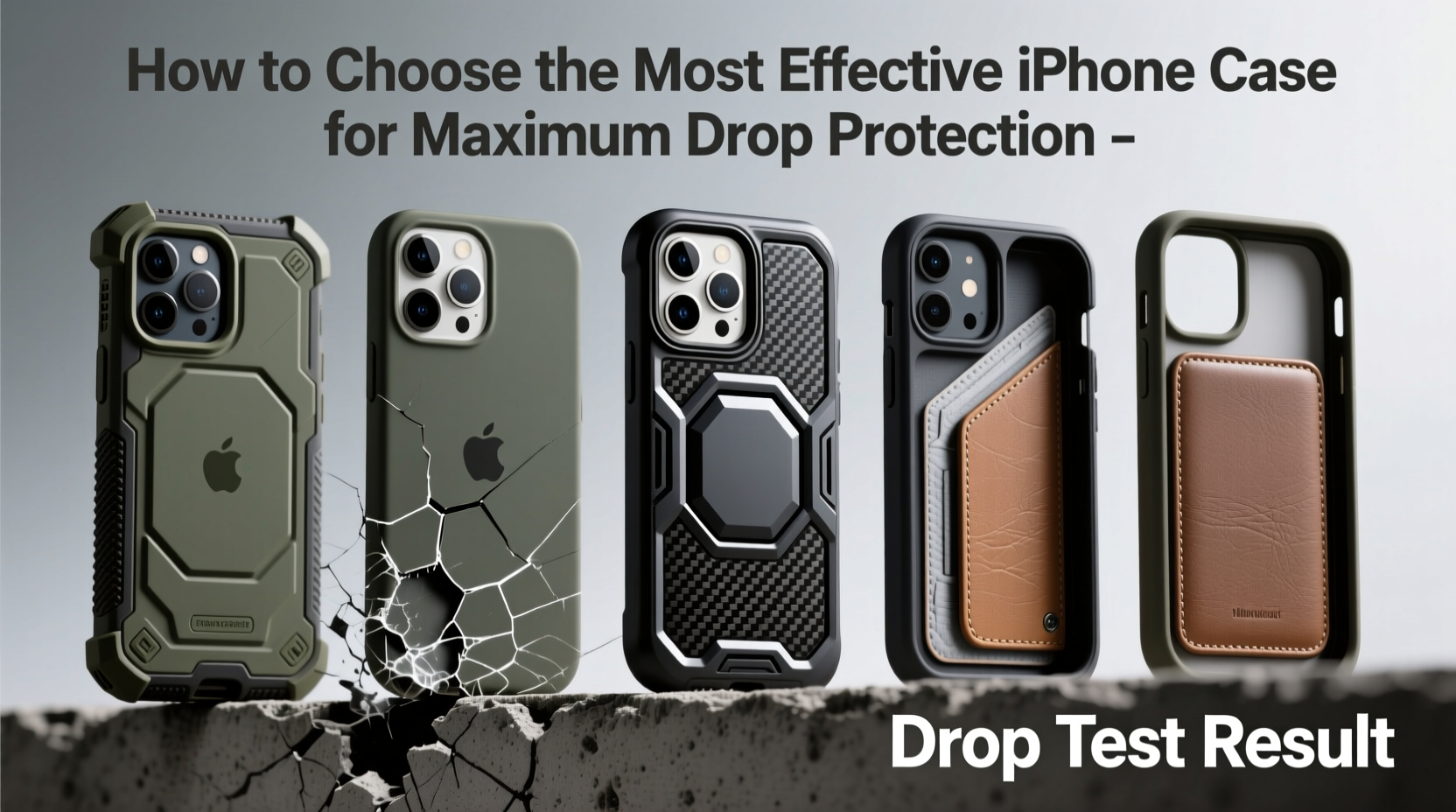
Effective drop protection starts with design and materials. A high-performing iPhone case should absorb shock, distribute impact energy, and prevent direct contact between the phone and hard surfaces during a fall. Key features include raised bezels around the screen and camera, multi-layer construction, and durable polymers like TPU (thermoplastic polyurethane) or polycarbonate.
The best protective cases use a dual-material approach: a soft inner TPU layer that cushions impacts and a rigid outer shell that resists deformation. This combination allows the case to compress on impact, dissipating force before it reaches the phone’s glass or frame. Some premium models also incorporate air-cushion technology in corners—the most vulnerable points during a drop.
“Drop protection isn’t just about thickness—it’s about intelligent engineering. The right case redirects energy away from critical components.” — Dr. Lena Patel, Materials Engineer at Mobile Safety Labs
Look for Independent Drop Test Certification
Marketing claims like “military-grade protection” are common, but they mean little without verification. The term often refers to MIL-STD-810G, a U.S. military standard for equipment durability. While not designed specifically for smartphones, some manufacturers test their cases against this benchmark by dropping them from 4–6 feet onto concrete.
To identify genuinely tested cases, look for brands that publish third-party lab results. Companies like OTTERBOX, URBAN ARMOR GEAR (UAG), and Spigen routinely submit products to independent facilities where controlled drop tests simulate real-life scenarios from multiple angles and heights.
Compare Protection Levels Using a Feature Matrix
Not every user needs the same level of protection. Your lifestyle determines how rugged your case should be. Below is a comparison of common case types based on protection, weight, and usability:
| Case Type | Drop Protection (ft) | Material | Camera Protection | Best For |
|---|---|---|---|---|
| Slim TPU Cases | 3–4 ft | Soft TPU only | Limited | Indoor/light use |
| Dual-Layer Hybrid | 6–8 ft | TPU + Polycarbonate | Raised lens ring | Daily commuters |
| Rugged/Military Grade | 8–12 ft | Multipolymer + Rubber | Deep recessed housing | Outdoor workers, travelers |
| Folio/Wallet Cases | 3–5 ft | Leather + TPU | Variable | Business users |
| Ultra-Thin Carbon Fiber | 2–3 ft | Carbon composite | None | Aesthetic-focused users |
For maximum drop protection, aim for cases rated to survive falls from at least 8 feet—simulating a drop from chest or countertop height onto tile or concrete.
Step-by-Step Guide to Choosing the Right Case
Picking the best protective case involves more than reading product descriptions. Follow this sequence to make an informed decision:
- Assess your risk environment: Do you work outdoors? Carry your phone in a backpack? Have children who handle it? High-risk environments demand higher protection.
- Determine acceptable bulk: Rugged cases add size and weight. Decide whether you’re willing to trade portability for safety.
- Verify compatibility: Ensure the case matches your exact iPhone model. Misaligned cutouts can expose edges or block wireless charging.
- Check for screen and camera coverage: The front edge should sit slightly above the screen when placed face-down. Camera lenses must be recessed.
- Review lab-tested drop ratings: Prioritize brands that disclose test conditions, such as Spigen’s Tough Armor series (13-foot drop tested) or OtterBox Defender (12 feet).
- Read verified owner reviews: Look for long-term feedback mentioning durability after real drops, yellowing, or button wear.
- Consider added features: Built-in screen protectors, belt clips, or MagSafe compatibility may enhance utility without compromising protection.
Real-World Example: The Hiker’s Survival Story
Mark, a landscape photographer based in Colorado, dropped his iPhone 14 Pro from a rocky ledge while adjusting his tripod—approximately 10 feet onto granite. He was using a UAG Monarch series case, which claims 6-foot military-grade protection. Though skeptical, he retrieved the phone expecting shattered glass. Instead, the device powered on normally. Inspection revealed minor scratches on the case’s corner bumpers but no cracks on the screen or body.
Upon analysis, experts noted that the case’s reinforced corners absorbed the brunt of the impact, preventing stress fractures. Mark later commented, “I didn’t expect it to survive. That case saved me over $400 in repair costs.” His experience underscores the value of over-engineering protection beyond typical usage expectations.
Essential Checklist Before Buying
Before finalizing your purchase, confirm the following:
- ✅ Independently verified drop rating of at least 8 feet
- ✅ Raised edges protecting both screen and camera lenses
- ✅ Precision cutouts aligned with speakers, ports, and buttons
- ✅ Compatibility with wireless charging and MagSafe accessories
- ✅ Non-slip texture or grip-enhancing sides
- ✅ No history of rapid yellowing (common in low-quality TPU)
- ✅ Positive long-term user reviews citing real drop survival
Frequently Asked Questions
Do all “rugged” cases offer the same level of protection?
No. While many cases appear bulky, true protection depends on internal structure and materials. Some brands use hollow corners or thin linings that compromise performance. Always check for published drop test data.
Can a case protect against water or dust?
Most standard cases don’t provide waterproofing. However, specialized waterproof cases (like those from Catalyst) combine IP68 ratings with strong drop protection. These are ideal for beach trips or boating but are significantly thicker.
Is it worth paying more for a premium brand?
In most cases, yes. Brands like OtterBox and Spigen invest heavily in material science and testing infrastructure. Their higher prices reflect research, quality control, and warranty support—not just branding.
Final Recommendations and Action Plan
Choosing the most effective iPhone case for maximum drop protection requires balancing engineering credibility, personal usage patterns, and practical design. Start by identifying your highest-risk scenarios—whether it’s frequent pocket drops, outdoor adventures, or clumsy moments at home. Then, select a case that exceeds those demands with verifiable performance data.
Top performers consistently include the Spigen Tough Armor, OtterBox Defender Series, and Urban Armor Gear Plasma. Each combines rigorous drop testing with thoughtful ergonomics and long-term durability. Avoid sacrificing protection for aesthetics unless your usage is strictly low-risk.
Your iPhone is a powerful tool and communication lifeline. Treating it with the physical protection it deserves isn’t optional—it’s responsible ownership. Make your next case purchase count by prioritizing proven resilience over fleeting trends.




 浙公网安备
33010002000092号
浙公网安备
33010002000092号 浙B2-20120091-4
Comments
No comments yet. Why don't you start the discussion?