
Your iPhone is a precision-engineered device designed to look sleek and function flawlessly. Yet, even minor scratches on the screen or back panel can degrade both its appearance and resale value. While Apple builds its devices with durable materials like Ceramic Shield and aerospace-grade aluminum, they are not immune to daily wear. A well-chosen case acts as the first line of defense—especially against scratches from keys, coins, and rough surfaces. But not all cases offer equal protection. The right one combines smart design, high-quality materials, and precise fit to keep your iPhone pristine.
Understanding the Sources of Scratches
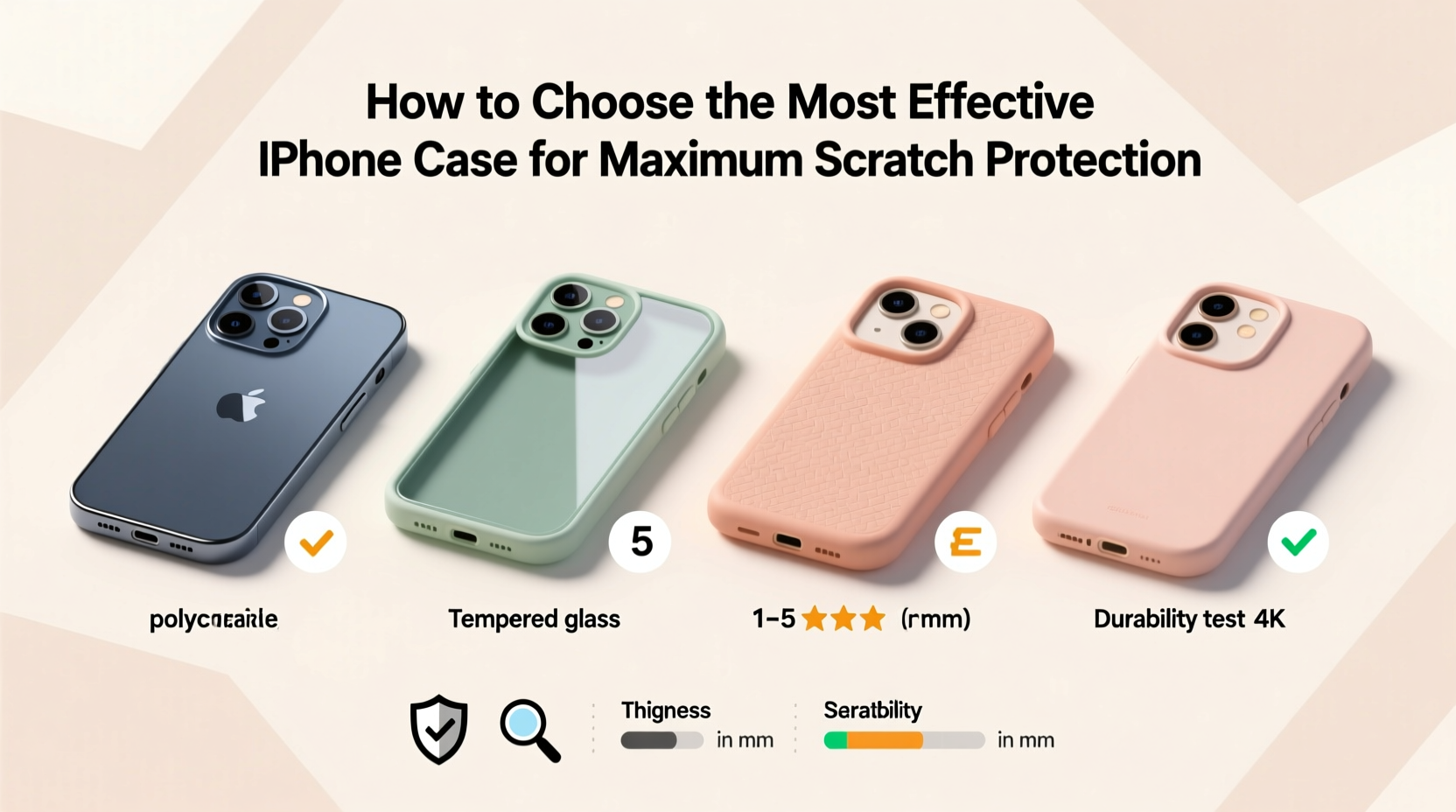
Before selecting a case, it’s essential to understand what causes scratches in the first place. Most damage doesn’t come from drops—it comes from abrasion. Everyday items like keys, belt buckles, coins, and even denim fabric can carry microscopic grit that rubs against your phone’s surface over time. This constant friction leads to fine scratches, especially on glossy finishes.
The edges and corners of the iPhone are particularly vulnerable. When placed face-down on a table, even a slight bump can cause the metal frame to scrape against hard surfaces. Additionally, sliding your phone in and out of pockets or bags increases exposure to abrasive contact. A protective case must address these points of contact without adding bulk unnecessarily.
Key Materials Compared for Scratch Resistance
The material of your iPhone case plays a decisive role in scratch protection. Each has strengths and trade-offs in durability, feel, and effectiveness.
| Material | Scratch Protection | Durability | Drawbacks |
|---|---|---|---|
| Polyurethane (TPU) | High | Moderate to High | Can yellow over time; may attract dust |
| Polycarbonate (Hard Plastic) | Very High | High | Rigid; less shock absorption |
| Silicone | Moderate | Moderate | Soft surface prone to picking up lint and minor abrasions |
| Leather | Low to Moderate | Varies | Natural patina develops; not inherently scratch-proof |
| Hybrid (TPU + Polycarbonate) | Excellent | Very High | Slightly thicker than single-material cases |
For maximum scratch resistance, hybrid cases are often the best choice. They combine a rigid polycarbonate outer shell for surface protection with a flexible TPU inner layer that cushions impacts and ensures a snug fit. This dual-layer approach prevents the case itself from shifting and creating friction points that could transfer scratches to the phone.
“Cases made from hybrid materials offer the optimal balance: rigidity to resist abrasion and flexibility to absorb daily knocks.” — David Lin, Product Design Engineer at Mobile Armor Labs
Design Features That Maximize Protection
Beyond material, the physical design of the case significantly influences its ability to prevent scratches. Look for the following features when evaluating options:
- Elevated bezels: A slightly raised edge around the camera module and screen prevents direct contact with flat surfaces when the phone is laid face-down.
- Full-edge coverage: Cases that extend above the screen and back glass minimize the chance of side impacts causing micro-fractures or scuffs.
- Smooth interior lining: Some premium cases include a microfiber or soft-touch inner coating to reduce internal friction.
- Pocket-friendly finish: Textured exteriors resist slipping but can trap dirt. Opt for matte finishes that repel fingerprints and resist abrasion.
- Precise cutouts: Poorly aligned ports or buttons can create gaps where debris enters, increasing scratch risk.
A common oversight is choosing a case that fits too loosely. Even a small gap allows lateral movement when the phone is placed on a surface, enabling grit to grind between the case and the phone body. Precision-cut cases designed specifically for your iPhone model eliminate this issue.
Step-by-Step Guide to Selecting the Best Scratch-Protective Case
Follow this sequence to ensure you select a case that delivers real protection:
- Determine your usage pattern: Are you frequently outdoors, commuting, or working in environments with dust or debris? High-exposure users need rugged designs.
- Check material specs: Prioritize polycarbonate or hybrid constructions. Avoid soft silicone if scratch resistance is your primary goal.
- Verify brand reputation: Stick with established brands known for quality control—such as OtterBox, Spigen, UAG, or Apple’s own cases.
- Look for lab-tested claims: Some manufacturers publish drop-test or abrasion-resistance data. These indicate serious engineering behind the product.
- Read user reviews focusing on longevity: Pay attention to comments about yellowing, cracking, or whether the phone remained scratch-free after months of use.
- Test the fit: Once received, ensure the case snaps on securely, doesn’t creak, and allows full access to controls without strain.
Real-World Example: Office Worker vs. Outdoor Photographer
Consider two users with different lifestyles. Sarah, an office worker, carries her iPhone in a leather tote alongside notebooks and pens. She rarely drops it but places it on desks and conference tables throughout the day. After six months with a silicone case, she notices fine scratches along the edges where the case didn’t fully cover the frame.
In contrast, Mark, a landscape photographer, hikes daily with his iPhone in cargo pants pockets, often near rocks and sand. He uses a Spigen ToughArmor hybrid case with reinforced corners and elevated edges. Despite frequent exposure to abrasive elements, his iPhone remains free of scratches after a year—thanks to the case’s full coverage and rugged build.
This comparison highlights that scratch protection isn’t just about durability under impact—it’s about consistent, passive defense against everyday friction.
Frequently Asked Questions
Do clear cases protect against scratches?
Yes, but only if made from high-quality, scratch-resistant polycarbonate. Many budget clear cases yellow and develop fine scratches quickly, which can transfer pressure to the phone beneath. Premium clear cases from brands like ESR or Apple use coatings that resist both scratches and UV degradation.
Is a wallet case good for scratch protection?
Wallet cases add functionality but introduce new risks. Cards sliding in and out can trap grit, and the added thickness makes the phone more likely to catch on surfaces. If using one, choose a model with a rigid shell and internal padding to isolate the phone from friction.
Should I use a screen protector with a protective case?
Yes. Even with a case, accidental face-down drops happen. A tempered glass screen protector adds a replaceable layer of defense. Combined with a case that has an elevated bezel, it ensures the screen never touches the ground directly.
Final Checklist Before Buying
- ✅ Made from polycarbonate or hybrid materials
- ✅ Includes elevated edges for screen and camera
- ✅ Precisely molded for your iPhone model
- ✅ Has positive long-term user reviews
- ✅ Resists yellowing and surface wear
- ✅ Easy to clean and maintain
Conclusion
Choosing the most effective iPhone case for scratch protection requires more than just aesthetics or brand loyalty. It demands attention to materials, design details, and real-world performance. By prioritizing rigid outer shells, full coverage, and precision fit, you can preserve your iPhone’s flawless finish for years. Whether you're navigating city sidewalks or hiking mountain trails, the right case quietly works to keep your device looking as new as the day you unboxed it.




 浙公网安备
33010002000092号
浙公网安备
33010002000092号 浙B2-20120091-4
Comments
No comments yet. Why don't you start the discussion?