
The A-line dress remains one of the most universally celebrated silhouettes in fashion. Its defining feature—a fitted bodice that gradually flares from the waist to the hem—creates a balanced, elongated look that complements a wide range of body types. But while the cut is inherently flattering, not every A-line dress will suit every figure equally. The key lies in understanding how subtle variations in neckline, waistline, fabric, and length interact with your individual proportions.
Whether you're shopping for a wedding guest outfit, a workwear staple, or a weekend brunch dress, selecting the right A-line means going beyond trends and focusing on structure and harmony. With thoughtful choices, this classic style can accentuate your best features, create visual balance, and boost confidence.
Understanding Your Body Shape
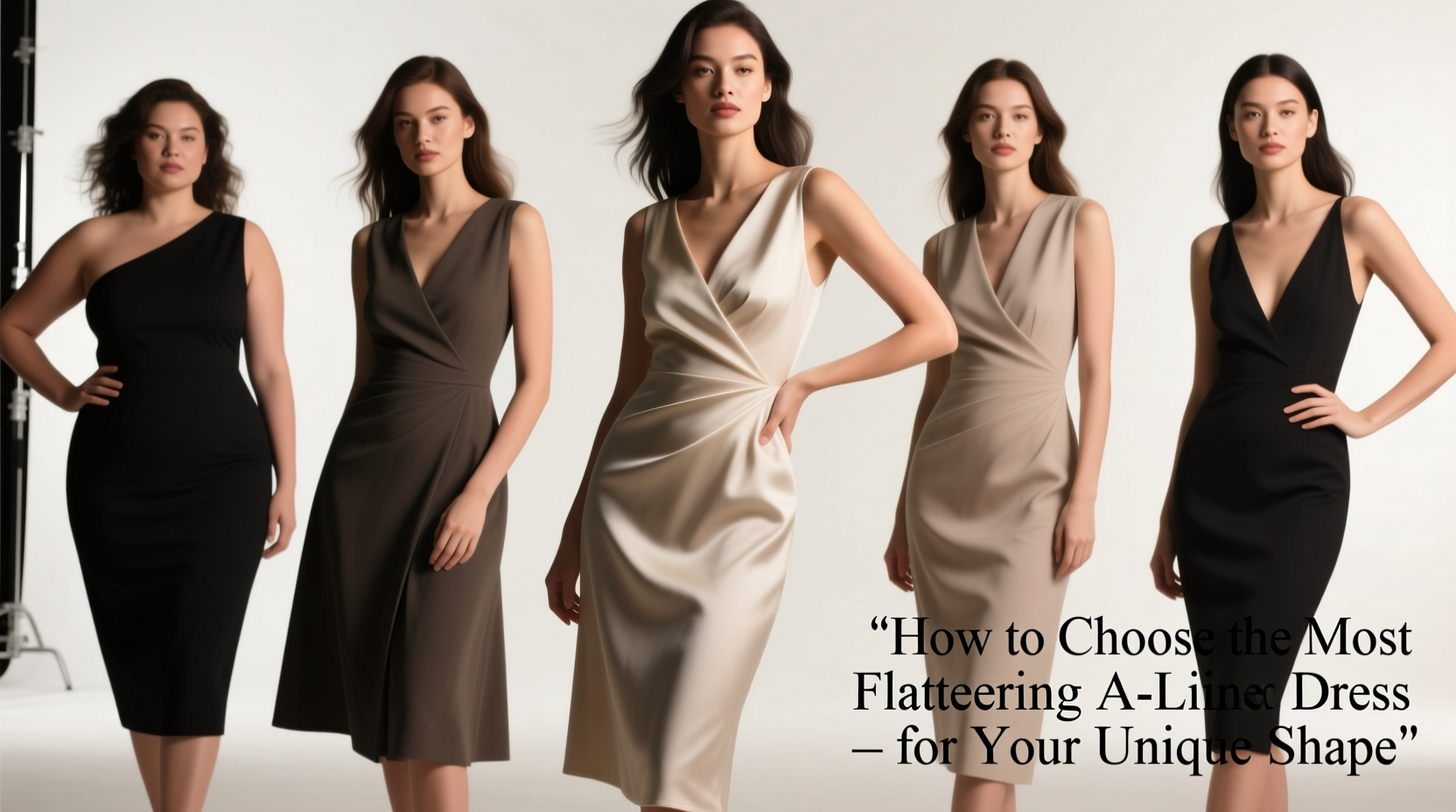
Before selecting an A-line dress, identify your dominant body shape. This isn’t about fitting into categories but recognizing proportions to guide styling decisions. Common classifications include:
- Hourglass: Balanced bust and hips with a well-defined waist.
- Pear (or triangle): Hips wider than shoulders, often with a narrower upper body.
- Apple (or inverted triangle): Broader shoulders or bust, with less definition at the waist.
- Rectangle: Bust, waist, and hips are relatively aligned with minimal curves.
- Strawberry: Broad shoulders and chest with slimmer hips.
Each shape benefits from different design elements within the A-line framework. For instance, someone with a pear shape may want more volume in the upper half, while an apple-shaped person might prioritize a higher waistline to draw attention upward.
Key Design Elements That Influence Flattery
An A-line dress isn't a one-size-fits-all solution. Small adjustments in construction dramatically affect how it drapes and where it draws the eye.
Neckline Selection
The neckline frames your face and influences shoulder-to-hip balance:
- V-neck: Elongates the torso and draws eyes downward—ideal for fuller busts or shorter torsos.
- Scoop neck: Offers openness without sharp angles; suits athletic builds and broader shoulders.
- Boat neck: Emphasizes collarbones and adds width to narrow shoulders—great for pear shapes.
- Off-the-shoulder: Softens angular shoulders and highlights arms; works well for rectangles and hourglasses.
Waistline Placement
This is critical in shaping perception:
- Natural waist: Best for hourglass figures who want to emphasize their curve.
- Empire waist (just below the bust): Creates long, flowing lines—perfect for petite women or those with shorter torsos.
- Drop waist (below the natural waist): Rare in modern A-lines; can break proportion unless used intentionally for artistic effect.
Skirt Volume and Length
The degree of flare matters. A slight A-line skims the hips subtly, while a dramatic flare adds volume. Pair these with height and lower-body proportions:
- Mini A-line: Best for tall women or those with long legs; avoid if you’re self-conscious about hip width.
- Midi (calf-length): Universally flattering; balances leg length and skirt volume.
- Maxi: Elegant and flowy, but ensure the fabric doesn’t pool awkwardly—choose structured materials if petite.
Fabric Choices Based on Body Type
Material impacts drape, silhouette, and comfort. Even the perfect cut can be undermined by inappropriate fabric.
| Body Shape | Recommended Fabrics | Fabrics to Avoid |
|---|---|---|
| Hourglass | Cotton sateen, medium-weight crepe, ponte knit | Stiff taffeta, overly clingy spandex blends |
| Pear | Structured cotton, double-layered viscose, light wool blends | Thin jersey that clings to hips |
| Apple | Breathable rayon, fluid modal, soft linen blends | Rigid denim or unyielding synthetics |
| Rectangle | Textured jacquard, ribbed knits, belted crepe | Loose, shapeless muslin |
“Fit is everything. A $500 dress made of silk fails if it pulls across the back or gaps at the zipper. Prioritize how the garment moves with you.” — Lena Torres, Bespoke Stylist & Fit Consultant
Step-by-Step Guide to Choosing Your Ideal A-Line Dress
Follow this process when shopping—online or in-store—to make confident, flattering selections.
- Measure Yourself Accurately: Use a soft tape to record bust, underbust, natural waist, hips, and torso length. Compare these to brand-specific size charts.
- Determine Your Goal: Are you aiming to highlight your waist? Minimize hip width? Add upper-body volume? Clarity here guides design choices.
- Try Multiple Necklines: If possible, try the same A-line in different necklines. Note which makes your shoulders appear balanced and your posture stronger.
- Check the Side Profile: Turn sideways in the mirror. Does the dress flare too soon (creating bulk at the hips) or too late (looking boxy)? The ideal flare begins just below the hip bone.
- Walk and Sit in It: Movement reveals fit issues. Fabric should glide, not strain. Seams shouldn’t pull or gape.
- Assess Proportion with Shoes: Wear heels or flats you plan to pair with the dress. Hemlines change drastically with heel height.
Real-Life Example: Maria’s Wedding Guest Dilemma
Maria, 5’4” with a pear-shaped figure, needed a dress for a summer wedding. She initially tried a tight-lace A-line with a sweetheart neckline and thin straps. While pretty, the narrow straps dug into her shoulders, and the heavy lace added visual weight to her hips.
She switched to a boat-neck A-line in lightweight cotton-poplin with cap sleeves and a slightly raised waist. The broader neckline balanced her shoulders, the crisp fabric held its shape without clinging, and the elevated waist created a longer leg line. Paired with nude block heels, the final look was polished and comfortable—earning compliments all evening.
Essential Checklist Before Buying
Use this checklist before finalizing any A-line dress purchase:
- ✅ The waist hits at your narrowest point (or just below the bust for empire styles).
- ✅ The bodice fits snugly without pulling across the back or gaping at the buttons.
- ✅ The skirt begins flaring below the hip bones, not above them.
- ✅ The fabric has enough structure to hold the A-shape but enough give to move comfortably.
- ✅ The length complements your shoe choice and height (e.g., no tripping, no pooling).
- ✅ The color and pattern suit your skin tone and personal style—don’t sacrifice authenticity for trendiness.
Frequently Asked Questions
Can short women wear long A-line dresses?
Yes, but choose midi or tea-length styles (ending between ankle and calf) to maintain proportion. Avoid floor-length versions unless wearing substantial heels. Vertical details like center-front seams or long necklaces help elongate the frame.
Are A-line dresses suitable for plus-size figures?
Absolutely. The silhouette is especially beneficial for creating definition and flow. Look for designs with internal boning, modest flare, and breathable fabrics. Wrap-style A-lines add adjustable fit and visual narrowing at the waist.
How do I style an A-line dress for work?
Select knee-length or midi versions in solid colors or subtle prints. Pair with a tailored blazer or cardigan. Closed-toe pumps or loafers keep the look professional. Avoid overly ruffled or sheer fabrics in conservative environments.
Final Thoughts: Confidence Begins with Fit
The most flattering A-line dress isn’t the one everyone else is wearing—it’s the one that aligns with your shape, lifestyle, and sense of self. Fashion rules are guidelines, not mandates. By understanding how cut, fabric, and proportion interact with your body, you transform dressing from a daily challenge into an act of empowerment.
Take time to assess what truly works for you. Try on styles outside your comfort zone. Pay attention to how a dress feels when you walk, sit, and laugh—not just how it looks in a static mirror pose. When fit and function meet personal expression, the result is undeniable confidence.




 浙公网安备
33010002000092号
浙公网安备
33010002000092号 浙B2-20120091-4
Comments
No comments yet. Why don't you start the discussion?