
Traveling should be about exploration and relaxation—not constant worry over your personal devices. In an age where smartphones store everything from boarding passes to banking apps, losing or having your phone compromised can derail even the best-laid plans. A high-quality phone sleeve does more than cushion your device; it acts as a first line of defense against theft, digital skimming, and physical damage. Choosing the right one requires understanding materials, security features, and real-world usability. This guide breaks down what truly makes a phone sleeve secure and travel-ready.
Why Security Matters in a Travel Phone Sleeve
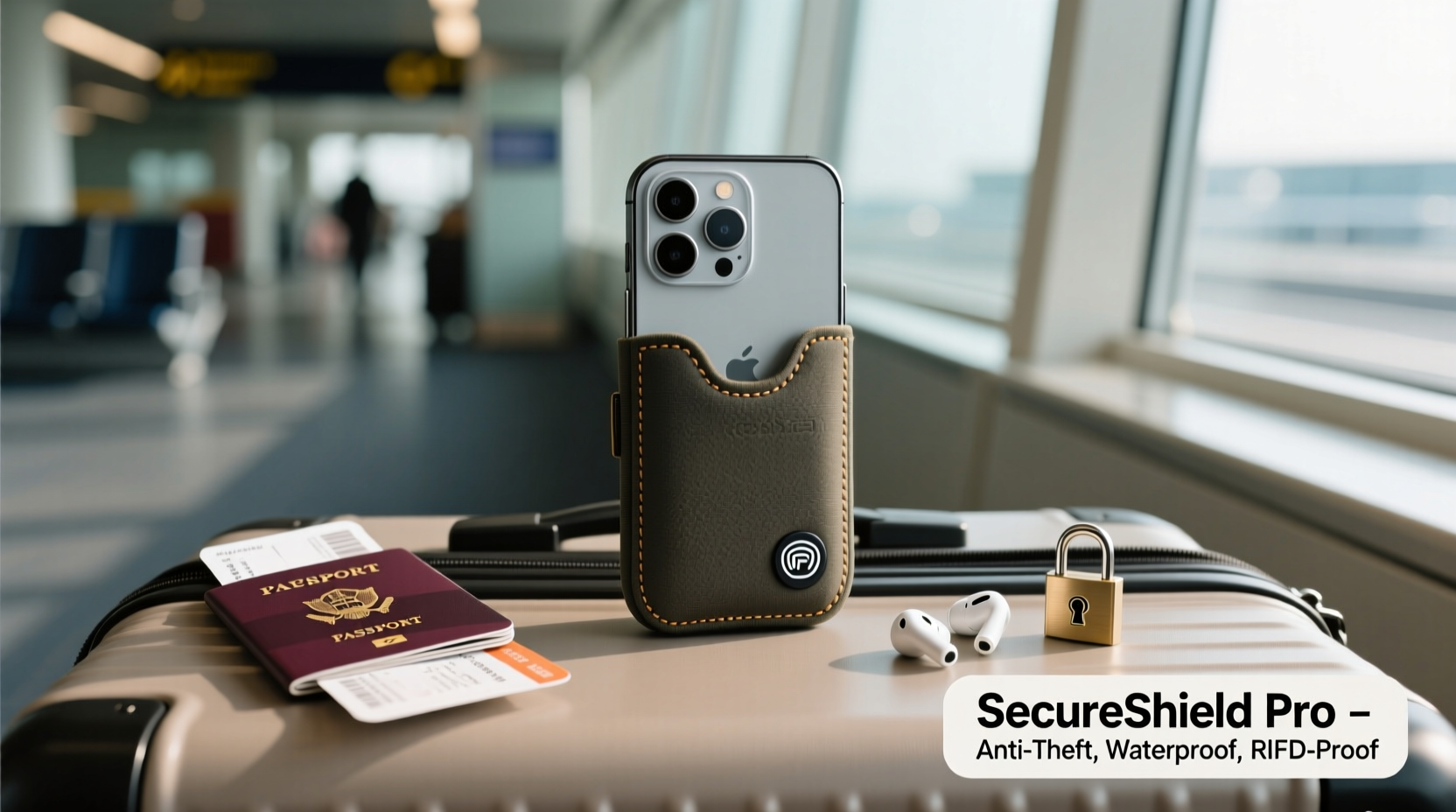
A phone sleeve isn’t just a fashion accessory. For frequent travelers, it’s a protective tool. Airports, train stations, and tourist hubs are hotspots for pickpockets and opportunistic thieves. Beyond physical theft, digital threats like RFID skimming—where criminals use handheld scanners to steal data from contactless cards—have become increasingly common. Many people carry credit cards or IDs in the same pocket or bag as their phones, making integrated protection essential.
The ideal travel phone sleeve combines impact resistance, discreet design, and anti-theft technology. It should deter casual thieves while shielding both your device and sensitive personal information. Unlike bulky cases or pouches, a well-designed sleeve offers minimalism without sacrificing safety.
“Physical and digital security go hand in hand when traveling. A secure phone sleeve is a small investment that prevents major disruptions.” — Lena Torres, Cybersecurity Consultant at TravelShield Labs
Key Features of a Secure Phone Sleeve
Not all sleeves are created equal. When evaluating options, focus on these core attributes:
- RFID-blocking material: Look for sleeves lined with metallic mesh or carbon fiber that blocks radio frequencies used in wireless data theft.
- Durable outer fabric: Ballistic nylon, waxed canvas, or reinforced polyester resist tearing and abrasion during transit.
- Impact absorption: Padding or shock-absorbing lining (like EVA foam) protects against drops and bumps.
- Discreet appearance: Avoid flashy logos or bright colors. Neutral tones reduce attention from would-be thieves.
- Secure closure: Magnetic snaps, Velcro, or zipper closures prevent accidental exposure and make quick access harder for others.
- Compact fit: A snug design minimizes bulk and ensures the phone won’t slip out when reaching into a bag.
Material Comparison: What Works Best for Travel?
The exterior and interior materials significantly affect performance. Here’s how common options stack up:
| Material | Security Benefit | Drawback |
|---|---|---|
| Ballistic Nylon | High tear resistance, durable under friction | Can feel stiff; less eco-friendly |
| Waxed Canvas | Water-resistant, naturally rugged | Requires maintenance; heavier than synthetics |
| Recycled Polyester with RFID Lining | Eco-conscious, lightweight, blocks scanning | Less impact protection unless padded |
| Neoprene | Shock-absorbent, flexible | Poor puncture resistance; not theft-deterrent |
| Leather (with RFID shield) | Stylish, long-lasting, premium feel | Expensive; needs conditioning; inconsistent shielding |
For maximum security, opt for hybrid designs—such as waxed canvas with an internal RFID layer and foam padding. These combine durability, discretion, and digital protection.
Step-by-Step Guide to Selecting Your Ideal Sleeve
Follow this process to ensure you choose a sleeve that meets both practical and security needs:
- Assess your phone model: Measure your device including case. Some sleeves are designed for specific models (e.g., iPhone 15 Pro Max), while others are universal.
- Determine primary threat level: Are you traveling through high-theft areas? Prioritize RFID blocking and secure closures. For low-risk trips, focus on drop protection.
- Check compatibility with other items: If you often carry a contactless card near your phone, ensure the sleeve has full-wrap RFID shielding.
- Test accessibility: Can you retrieve your phone quickly at security checkpoints without fumbling? Smooth zippers or magnetic flaps help.
- Evaluate portability: Will it fit in your jacket pocket, purse, or daypack? Avoid anything that bulges or catches on fabric.
- Read verified reviews: Look for traveler feedback mentioning durability after months of use or real-world theft prevention.
Real-World Example: Avoiding Digital Theft in Europe
Sophie, a digital nomad based in Barcelona, learned the hard way about RFID risks. While visiting a crowded market in Prague, she noticed unauthorized charges on her contactless credit card. Her bank confirmed the transaction occurred near her phone—likely skimmed while both were stored together in a thin fabric pouch. After switching to an RFID-blocking phone sleeve with dual-layer protection, she hasn’t had any further incidents across 14 countries. “I now keep my card tucked inside the shielded compartment of my sleeve,” she says. “It’s simple, but it works.”
This scenario highlights a growing trend: thieves aren’t just stealing phones—they’re harvesting data silently. A secure sleeve disrupts that process.
Essential Checklist Before You Buy
Before purchasing, verify these points:
- ✅ Confirmed RFID-blocking certification (look for ISO/IEC 14443 compliance)
- ✅ Snug fit for your phone size (with or without case)
- ✅ No exposed seams or weak stitching
- ✅ Closure mechanism that stays shut during motion
- ✅ Lightweight enough for daily carry (under 80g preferred)
- ✅ Neutral color (black, navy, gray) to avoid drawing attention
- ✅ Machine washable or easy to wipe clean
Frequently Asked Questions
Do all phone sleeves block RFID signals?
No. Only sleeves explicitly labeled as RFID-blocking and tested for signal attenuation provide real protection. Standard neoprene or silicone sleeves offer no defense against digital skimming.
Can I still use wireless charging with a secure sleeve?
Most secure sleeves require removal before charging. However, some ultra-thin RFID models allow Qi charging while worn. Check product specifications carefully if this feature matters to you.
How long do RFID-blocking materials last?
Typically 2–3 years with regular use. Over time, repeated folding or washing can degrade the metallic lining. Replace the sleeve if you notice reduced structural integrity or creasing along shielded areas.
Final Thoughts: Security Starts Small
Your phone is a gateway to your identity, finances, and itinerary. Protecting it shouldn’t depend on luck or vigilance alone. A secure phone sleeve is a quiet guardian—compact, reliable, and always working. By investing in one built with purpose, you eliminate unnecessary stress and gain peace of mind every time you step into a crowd, board a train, or set your bag down momentarily.
Don’t wait until something goes wrong. Evaluate your current setup, compare materials and features, and upgrade to a sleeve that matches your travel lifestyle. The difference might seem minor—until it saves your trip.




 浙公网安备
33010002000092号
浙公网安备
33010002000092号 浙B2-20120091-4
Comments
No comments yet. Why don't you start the discussion?