
A well-chosen handbag does more than carry your essentials—it completes your look, reflects your personal style, and can instantly elevate even the most basic ensemble. Unlike fleeting fashion trends, a thoughtfully selected bag serves as both a functional accessory and a statement piece. Yet, many people overlook its transformative power, opting for convenience over cohesion. The right bag harmonizes with your silhouette, complements your outfit’s tone, and enhances your overall presence. From boardroom meetings to weekend brunches, understanding how to select the ideal bag ensures you're always dressed with intention.
Understand Your Body Proportions and Silhouette
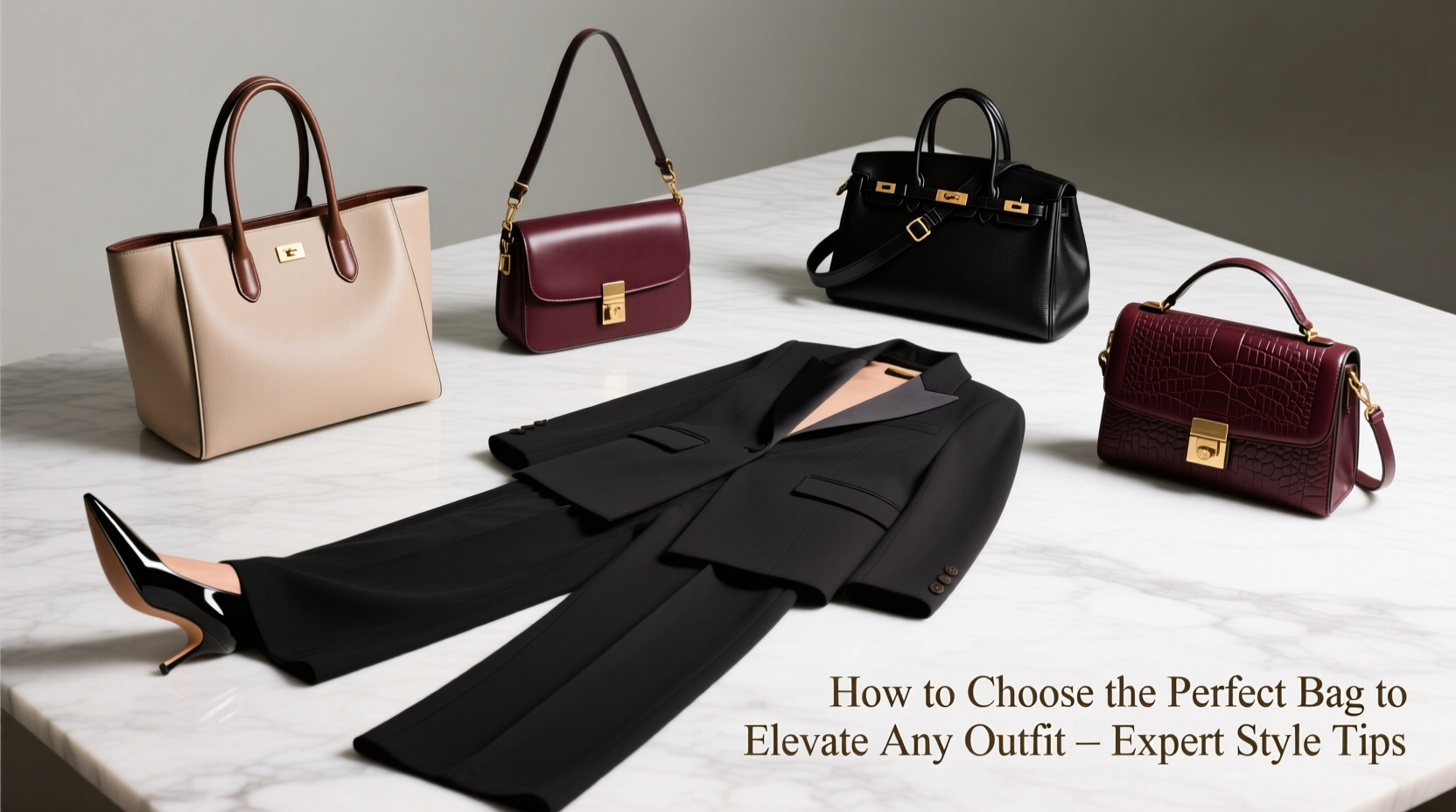
The relationship between your body type and bag size is often underestimated. A bag that's too large can overwhelm a petite frame, while an undersized clutch may get lost on someone with broader shoulders or taller stature. The key is balance: match the scale of your bag to your build.
For individuals under 5’4”, structured mini totes, crossbody bags no wider than 9 inches, or compact satchels work best. These maintain proportion without dragging down the visual line. Those between 5’5” and 5’9” have more flexibility—medium-sized shoulder bags (10–12 inches wide) typically flatter this range. For those above 5’9”, larger silhouettes like oversized totes or duffel-style bags create symmetry and presence.
Also consider strap length. Short handles suit formal looks carried in hand, while longer straps allow for hands-free versatility. Crossbody styles should rest just below the hip bone to elongate the torso rather than cut across it awkwardly.
Match Bag Color to Your Wardrobe Palette
Color coordination is where many styling decisions succeed or fail. While black and beige are timeless, they aren’t universally optimal. Instead, assess your existing wardrobe’s dominant hues before selecting a bag color.
| Wardrobe Dominant Color | Recommended Bag Colors | Colors to Avoid |
|---|---|---|
| Neutrals (black, gray, navy) | Cream, cognac, burgundy | White (unless pristine maintenance) |
| Warm tones (camel, rust, olive) | Tan, terracotta, chocolate brown | Cool grays or icy pastels |
| Cool tones (denim, charcoal, emerald) | Navy, deep plum, slate | Mustard yellow, burnt orange |
| Monochrome or minimalist | Black, white, metallics | Mismatched brights |
A pop of contrast can be effective—a crimson bag against an all-gray outfit draws attention and adds energy—but only if intentional. Neutral bags offer maximum versatility; however, one bold-colored investment piece per season can define your style narrative.
“Color isn’t just about matching—it’s about creating rhythm in your look. A bag should either anchor or accent.” — Lena Torres, Fashion Stylist & Consultant
Select Material Based on Season and Use
Material choice affects not only aesthetics but longevity and practicality. Leather remains the gold standard for durability and aging gracefully, developing a patina over time. Full-grain leather resists scratches better than top-grain and improves with wear.
Suede offers texture and elegance but demands careful handling. It’s best reserved for dry seasons and indoor events due to its sensitivity to moisture and stains. Canvas and nylon are ideal for casual, high-use scenarios—think travel or daily commutes—thanks to their lightweight resilience.
For summer, consider raffia, straw, or woven fabrics that breathe and complement linen and cotton outfits. In winter, darker leathers and textured synthetics provide sophistication and weather resistance.
Real Example: Office-to-Evening Transition
Sophie, a marketing executive based in Chicago, needed a single bag that could transition from her 9-to-5 role into after-work networking events. She chose a medium-sized satchel in oxblood Italian leather with minimal hardware. During the day, it held her tablet, portfolio, and makeup pouch. After work, she swapped out bulky items for a compact wallet and lipstick, transforming the same bag into an elegant evening companion. The rich color paired seamlessly with her navy suits and little black dresses, eliminating the need for multiple accessories.
Align Bag Style With Occasion and Outfit Energy
Just as footwear changes with context, so should your bag. Think of each style as having its own “energy”—formal, relaxed, edgy, or playful—and align it accordingly.
- Tote: Professional, efficient. Ideal for workwear, especially when paired with tailored separates.
- Clutch: Refined, intentional. Best with cocktail attire or minimalist gowns.
- Backpack: Youthful, practical. Works with athleisure, denim, or smart-casual ensembles.
- Belt bag: Modern, dynamic. Pairs well with streetwear or streamlined summer looks.
- Satchel: Classic, balanced. Complements both business casual and weekend chic.
Avoid clashing energies. A glittery minaudière with jeans and a hoodie feels mismatched unless irony is the goal. Similarly, a rugged hiking backpack undermines the elegance of a silk dress.
Step-by-Step Guide: Choosing Your Next Bag
- Assess your most-worn outfits – Identify three recurring combinations (e.g., blazer + trousers, midi dress + boots).
- Determine primary use – Will it be used for work, travel, evenings, or everyday errands?
- Choose appropriate size – Ensure it fits essentials without bulging or appearing empty.
- Pick a complementary color – Refer to your wardrobe palette table.
- Evaluate materials – Prioritize durability and seasonal suitability.
- Test proportions – Try the bag in natural light with a typical outfit.
- Confirm comfort – Walk around with it loaded to check weight distribution and strap comfort.
Frequently Asked Questions
Can I wear a casual bag with a formal outfit?
Only if done intentionally. A sleek leather crossbody in black or nude can modernize a formal look without undermining it. Avoid canvas, fringes, or overly sporty designs with formalwear.
How many bags should I own for a versatile wardrobe?
Four core styles cover most needs: a structured work tote, a small evening clutch, a durable everyday crossbody, and a weekend/weekender bag. Rotate based on season and lifestyle demands.
Do hardware details matter?
Yes. Gold-tone hardware warms up an outfit and pairs well with warm clothing tones; silver is crisper and suits cool palettes. Match your bag’s metal accents to your jewelry for a cohesive finish.
- ✔ Does it fit my phone, wallet, keys, and daily essentials?
- ✔ Is the material suitable for my climate and lifestyle?
- ✔ Does the color coordinate with at least three of my go-to outfits?
- ✔ Are the straps comfortable when fully loaded?
- ✔ Does it enhance, not clash with, my body proportions?
- ✔ Can it transition between settings (e.g., office to dinner)?
Final Thoughts: Make Every Detail Count
Choosing the perfect bag isn’t about chasing trends—it’s about curating pieces that serve you, reflect you, and elevate your everyday style with quiet confidence. When your accessories align with your wardrobe logic, body shape, and real-life needs, dressing becomes effortless. The most stylish women don’t accumulate bags; they invest in ones that work harder than they cost.




 浙公网安备
33010002000092号
浙公网安备
33010002000092号 浙B2-20120091-4
Comments
No comments yet. Why don't you start the discussion?