
A bathroom mat is more than just a functional item—it’s a small but significant detail that can enhance both comfort and style in your bathroom. Whether you step onto it barefoot after a shower or use it to absorb excess water, the right mat contributes to safety, hygiene, and aesthetic cohesion. With so many options available—from materials and textures to colors and shapes—choosing the ideal one requires balancing form and function. This guide breaks down the essential factors to consider, offering actionable advice to help you select a bathroom mat that meets your needs and complements your space.
Understand Your Bathroom’s Needs First
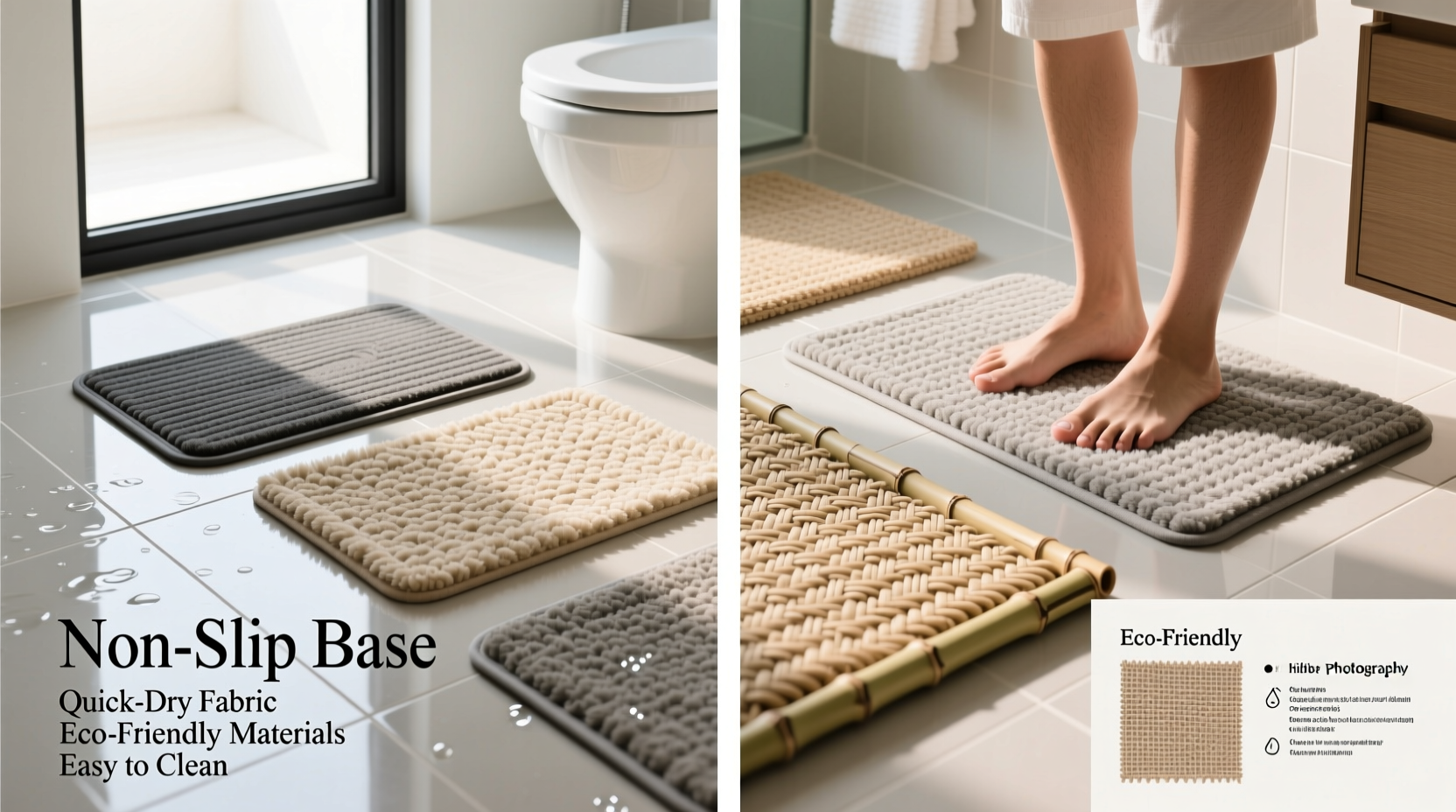
Before considering color or texture, assess the actual conditions of your bathroom. Is it a high-traffic area used by multiple people daily? Does it have poor ventilation, leading to prolonged dampness on floors? Are there children or elderly individuals who need extra slip resistance?
These questions determine the baseline requirements for your mat. A master bathroom with radiant heating might allow for softer, more decorative options, while a shared family bathroom demands durability, quick-drying properties, and antimicrobial protection.
Material Matters: Pros and Cons of Common Mat Types
The material of your bathroom mat directly affects comfort, maintenance, longevity, and safety. Below is a comparison of the most widely used materials.
| Material | Pros | Cons |
|---|---|---|
| Cotton (Terry & Chenille) | Soft, highly absorbent, machine washable, wide range of styles | Can retain moisture if not dried properly; may mildew over time |
| Microfiber | Ultra-absorbent, dries quickly, resists mold and bacteria, budget-friendly | Less plush underfoot compared to cotton; can pill with frequent washing |
| Bamboo Fiber | Eco-friendly, naturally antimicrobial, sleek modern look | More expensive; less cushioning; requires gentle cleaning |
| Silicone | Non-slip, waterproof, easy to wipe clean, ideal for kids’ bathrooms | Firm texture—not as comfortable; limited design variety |
| Rubber + Fabric Combo | Stays in place, excellent grip, combines comfort with safety | Heavier; some models aren’t fully machine washable |
If you prioritize softness and luxury, terry cloth cotton mats are a top choice. For homes with frequent use or humidity issues, microfiber or bamboo blends offer better long-term performance. Silicone mats excel in safety-critical areas like bathtubs or near sinks where slipping is a concern.
Style Tips: Matching Your Mat to Your Bathroom Decor
A well-chosen bathroom mat should harmonize with the room’s overall design. It doesn’t need to match exactly, but it should complement the color scheme and texture palette.
- Neutral tones (white, gray, beige) create a clean, spa-like atmosphere and hide minor dirt between washes.
- Bold colors or patterns add personality and can tie together accent elements like towels or shower curtains.
- Textural contrast—pair smooth tiles with a plush mat, or glossy finishes with woven or ribbed fabrics for visual depth.
- Shape diversity: Rectangular mats fit standard layouts, while contoured or round mats work well in compact spaces or powder rooms.
“Bathroom accessories shouldn’t be an afterthought. The mat sets the tone for tactile comfort the moment you step out of the shower.” — Lena Torres, Interior Stylist & Wellness Space Designer
Key Practical Features You Can’t Ignore
No matter how stylish a mat looks, its real value lies in performance. Prioritize these practical aspects when making your selection:
- Non-Slip Backing: Look for mats with rubberized, latex, or silicone backing. These grips prevent shifting on wet surfaces, reducing fall risks—especially important for seniors and young children.
- Quick-Drying Capability: Mats that stay damp breed mildew and odors. Microfiber and bamboo dry faster than thick cotton, making them better for humid environments.
- Machine Washability: Frequent cleaning is necessary for hygiene. Choose mats labeled as machine washable (preferably cold water, gentle cycle) and avoid those requiring hand-washing unless you’re committed to upkeep.
- Antimicrobial Treatment: Some mats are treated with silver ions or other agents to resist mold and bacteria—a smart investment for allergy-prone households.
- Edge Binding: Reinforced edges prevent fraying and extend lifespan, especially in high-use bathrooms.
Mini Case Study: The Johnson Family Bathroom Upgrade
The Johnsons had a small, frequently used guest bathroom with slippery porcelain tiles. Their old cotton mat bunched up and developed a musty smell within weeks. After researching options, they switched to a microfiber mat with a non-slip rubber base and antimicrobial treatment. Not only did it stay flat and odor-free, but their teenage daughter stopped complaining about cold feet in the morning. Within a month, they replaced all household mats with similar models—proving that practical upgrades can significantly improve daily comfort.
Your Step-by-Step Selection Checklist
Follow this simple process to ensure you pick the best bathroom mat for your space:
- Measure the Area: Determine the size needed—standard sizes are 20\"x30\", 24\"x36\", or custom-cut options.
- Assess Usage Level: High-traffic bathrooms need durable, fast-drying materials.
- Check Flooring Type: Smooth tiles require strong non-slip backing; textured floors may allow lighter grip options.
- Prioritize Safety: If children or elderly users are present, opt for full-surface rubber backing or silicone mats.
- Match Aesthetic Preferences: Choose a color or pattern that aligns with your bathroom’s theme.
- Verify Care Instructions: Confirm whether the mat is machine washable and how often it should be cleaned.
- Read Reviews: Look for feedback on durability, odor resistance, and whether the mat stays in place.
Frequently Asked Questions
How often should I wash my bathroom mat?
Wash your bathroom mat at least once a week to prevent bacterial growth and mildew. In humid climates or shared bathrooms, consider washing every 3–4 days. Always air-dry completely before reuse.
Are memory foam bathroom mats safe?
Yes, but only if they have a waterproof, non-porous cover and are designed for bathroom use. Avoid generic memory foam pads not intended for wet environments—they trap moisture and degrade quickly.
Can I use an outdoor doormat in the bathroom?
No. Outdoor mats are built to scrape dirt but often lack absorbency and softness. They also may not have antimicrobial properties and can introduce contaminants rather than contain them.
Final Thoughts: Make Comfort and Safety a Daily Priority
Choosing the perfect bathroom mat isn’t about picking the prettiest option—it’s about finding the right balance between aesthetics, functionality, and long-term value. The ideal mat feels good underfoot, stays securely in place, resists moisture and odors, and enhances your bathroom’s overall look. By understanding materials, evaluating your space, and prioritizing key features like non-slip backing and easy maintenance, you make a small investment that pays off in comfort, safety, and style every single day.




 浙公网安备
33010002000092号
浙公网安备
33010002000092号 浙B2-20120091-4
Comments
No comments yet. Why don't you start the discussion?