
Selecting the right blanket isn’t just about fabric or color—it’s about fit. A blanket that’s too small won’t keep you warm; one that’s too large can overwhelm a room or slip off the bed. Whether you're upgrading your bedroom, furnishing a guest room, or packing for a weekend hike, choosing the correct size ensures comfort, functionality, and aesthetic harmony. With so many options available—throw, twin, queen, king, and oversized blankets—the decision can feel overwhelming. Understanding standard dimensions, intended use, and personal preferences simplifies the process and helps you make a confident choice.
Understand Standard Blanket Sizes and Their Uses
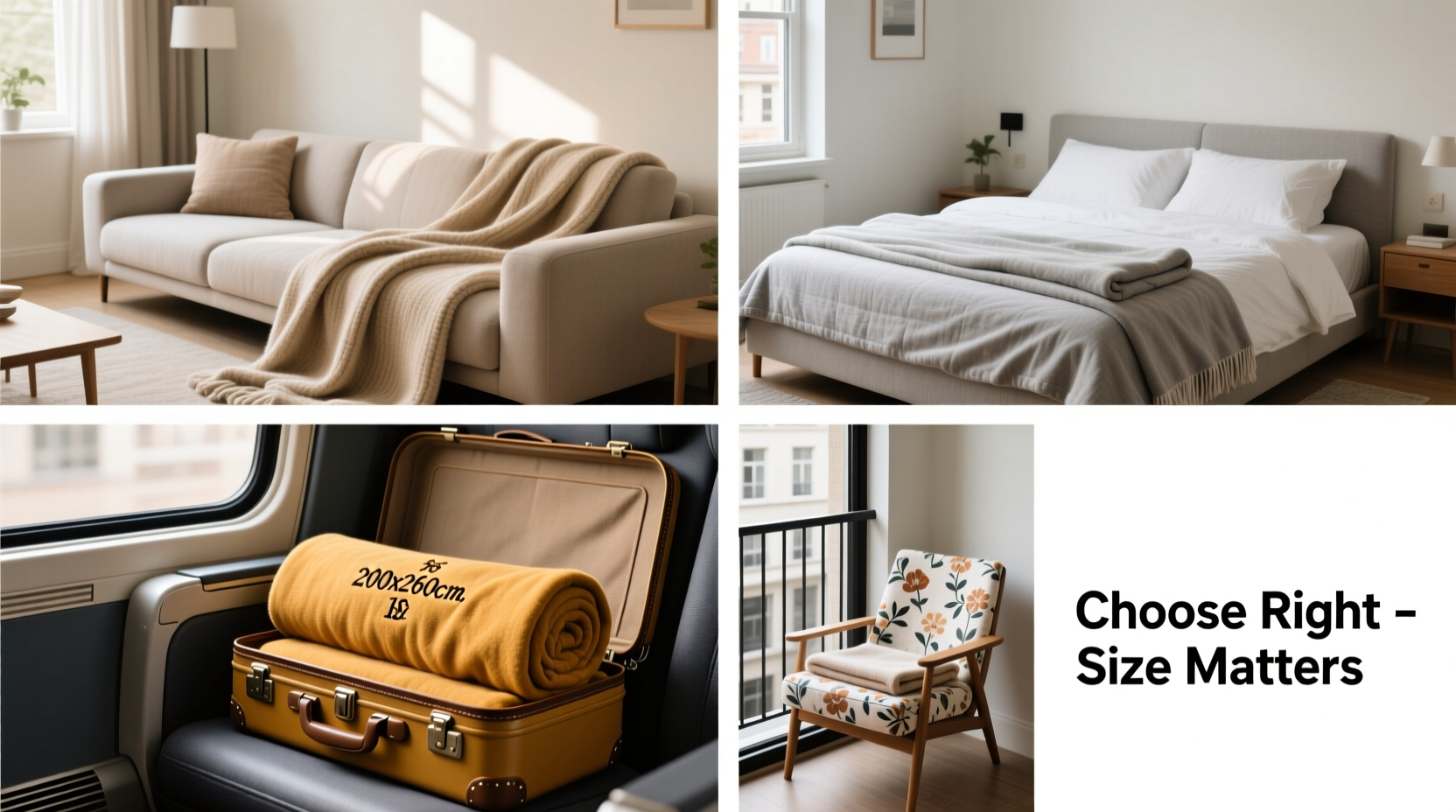
Blankets come in a range of standardized sizes, each designed with specific applications in mind. Knowing these dimensions is the first step toward making an informed decision. While exact measurements may vary slightly by brand, the following chart outlines common blanket sizes and their typical uses:
| Blanket Size | Dimensions (inches) | Best For |
|---|---|---|
| Throw | 50 x 60 | Sofas, accent decor, light layering |
| Twin | 66 x 90 | Single sleepers, kids’ beds, dorm rooms |
| Twin XL | 66 x 95 | College dorms, taller individuals |
| Full/Double | 80 x 90 | Couples or solo sleepers wanting extra width |
| Queen | 90 x 90 | Standard master beds, couples |
| King | 108 x 90 | King-sized beds, spacious coverage |
| Oversized King | 120+ x 100+ | Extra-wide beds, layered bedding, dramatic drape |
The key is matching the blanket size to the mattress or intended surface. A queen blanket on a king bed will leave edges exposed and offer uneven warmth. Similarly, a king-sized throw on a loveseat looks disproportionate and impractical.
Choosing the Right Size by Use Case
Not all blankets serve the same purpose. The ideal size depends heavily on where and how you plan to use it. Here's a breakdown by common scenarios:
Bed Blankets
For bedding, match the blanket precisely to your mattress size. If you prefer extra fabric for tucking or folding at the foot of the bed, consider going up one size. For example, a king-sized duvet cover over a queen mattress creates a luxurious, hotel-style look—but ensure it doesn’t drag on the floor or interfere with cleaning.
Living Room Throws
A standard throw (50 x 60 inches) is ideal for draping over a sofa or armchair. It should be large enough to cover an adult when seated but not so big that it bunches or overwhelms the furniture. For larger sectionals, consider two throws or a custom oversized version (60 x 70 inches).
Kids’ Rooms
Children often outgrow bedding quickly. A twin-sized blanket works well for most single beds, but consider a lightweight option they can easily manage. For toddlers, a crib-sized blanket (30 x 40 inches) is safest and more practical.
Camping and Travel
Compactness matters here. A backpacker might prefer a mummy-sized sleeping bag, but for casual car camping or picnics, a 50 x 60-inch travel blanket offers portability and warmth. Look for water-resistant or compressible materials in smaller sizes.
“Size affects both function and safety. A blanket that’s too loose in a child’s bed can pose a suffocation risk, while one too tight restricts movement and comfort.” — Dr. Lena Torres, Pediatric Sleep Specialist
Factors That Influence Your Choice
Beyond dimensions, several considerations impact the ideal blanket size for your needs:
- Number of users: A couple sharing a bed needs more width than a single sleeper. Consider full, queen, or king sizes accordingly.
- Sleeping habits: Tossers and turners benefit from larger blankets that stay in place. Side sleepers may prefer extra length.
- Climate: In colder regions, thicker, larger blankets provide better insulation. In warmer areas, lighter, appropriately sized covers prevent overheating.
- Room aesthetics: Oversized blankets create a cozy, inviting look but must align with furniture scale. A tiny throw on a sectional appears lost; a bulky king blanket on a loveseat feels cluttered.
- Layering: If you use multiple blankets (e.g., quilt + coverlet), ensure the top layer complements rather than overwhelms the others.
Step-by-Step Guide to Choosing the Perfect Blanket Size
Follow this practical sequence to confidently select the right blanket:
- Measure your space: Use a tape measure to record the width and length of your mattress, sofa, or preferred surface.
- Determine primary use: Is it for sleeping, lounging, decorative layering, or outdoor use?
- Consider user(s): One person or two? Adult or child? Tall or average height?
- Check existing bedding: If layering, ensure new blanket dimensions coordinate with sheets, duvets, or quilts.
- Add drape allowance: For beds, add 12–18 inches per side for drop. For sofas, allow 6–10 inches of overhang on each end.
- Review material and weight: Heavier fabrics like wool may require slightly larger sizes to accommodate bulk without restriction.
- Purchase or sample: If buying online, check return policies. Order swatches or trial sizes when possible.
Real-Life Example: Furnishing a Guest Room
Sarah was setting up a spare bedroom for visiting family. She chose a queen-sized platform bed but hesitated between a queen and king blanket. After measuring, she realized the queen blanket would just cover the mattress with minimal overhang—fine for tight tucks, but less cozy for guests who liked to burrow. She opted for a slightly oversized queen (95 x 95 inches), which provided gentle drape without touching the floor. Paired with a neutral throw at the foot of the bed, the room felt welcoming and functional. Her father, a tall guest, appreciated the extra length, and her sister loved the soft fold-over effect. Sarah’s attention to size transformed a basic setup into a thoughtfully curated space.
Common Mistakes to Avoid
- Mismatching mattress and blanket: Using a twin blanket on a full bed leaves gaps and reduces warmth.
- Ignoring proportion in decor: A massive king blanket folded on a narrow bench looks awkward and unbalanced.
- Overlooking user height: Standard lengths may fall short for taller individuals, especially in twin or full sizes.
- Buying purely by aesthetics: A beautiful oversized knit blanket may seem inviting, but if it slips constantly or requires constant readjustment, it fails functionally.
FAQ
Can I use a queen blanket on a king bed?
You can, but it won’t fully cover the mattress. Expect 6–9 inches of exposed sides and possibly the foot. This may work for decorative layering, but not as a primary sleep blanket.
What size throw is best for a recliner?
A standard 50 x 60-inch throw fits most recliners well. Fold it lengthwise over the backrest so it drapes evenly on both sides, allowing easy access when sitting.
Do blanket sizes vary by brand?
Yes. While industry standards exist, some brands—especially boutique or handmade makers—may have slight variations. Always check product specifications before purchasing.
Final Checklist Before You Buy
- ✅ Measured the mattress or furniture?
- Confirm dimensions to avoid guesswork.
- ✅ Determined primary use?
- Sleeping, lounging, or decoration?
- ✅ Considered number and size of users?
- Account for height, mobility, and shared use.
- ✅ Checked care instructions?
- Larger blankets may require bigger washing machines.
- ✅ Evaluated room proportions?
- Ensure the blanket enhances, not overwhelms, the space.
Conclusion
Choosing the perfect blanket size blends practicality with personal comfort. Whether you're outfitting a nursery, refreshing your living room, or preparing for outdoor adventures, the right dimensions make all the difference. By understanding standard sizes, considering your specific needs, and avoiding common pitfalls, you can select a blanket that performs beautifully and complements your space. Don’t settle for ill-fitting fabric—measure carefully, think critically about use, and invest in a blanket that truly fits your life.




 浙公网安备
33010002000092号
浙公网安备
33010002000092号 浙B2-20120091-4
Comments
No comments yet. Why don't you start the discussion?