
A well-chosen tweed jacket transcends trends. It’s not merely an outer layer—it’s a statement of heritage, craftsmanship, and enduring taste. From country estates to city streets, the classic tweed jacket has maintained its relevance for over a century. Yet selecting the right one requires more than just liking the texture or pattern. The ideal piece balances material quality, cut precision, color harmony, and personal lifestyle needs. This guide walks you through the essential considerations to ensure your tweed jacket becomes a cornerstone of your wardrobe for decades.
Understand the Origins and Value of Tweed
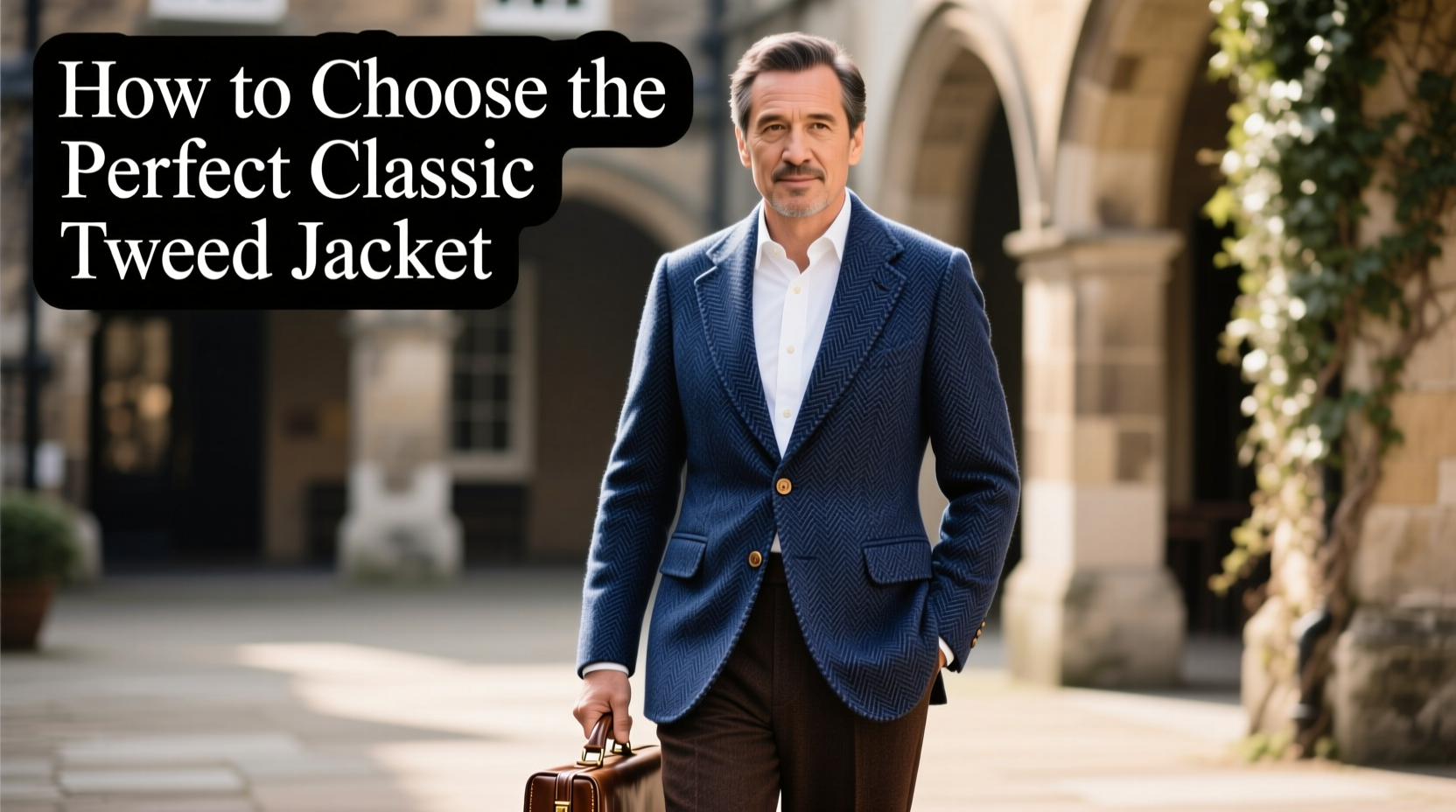
Tweed began as a rugged wool fabric in the Scottish Highlands, designed to withstand wind, rain, and long days outdoors. Its name is believed to derive from the River Tweed or a misreading of “tweel,” the Scots word for twill weave. What started as functional workwear evolved into a symbol of British sartorial elegance—favored by aristocrats, writers, and style icons from Winston Churchill to Audrey Hepburn.
The appeal lies in its durability and character. Unlike smooth wools or synthetics, tweed develops a patina over time. Each crease, subtle fade, and softened fiber tells a story. But authenticity matters. Real tweed is tightly woven from pure wool or wool blends, often featuring flecks of color that give it depth. Avoid synthetic versions that mimic the look but lack breathability and resilience.
“Tweed is the armor of the thoughtful dresser. It doesn’t shout; it speaks with quiet confidence.” — Thomas Hill, Bespoke Tailoring Consultant, Savile Row
Choose the Right Fabric and Weave
Not all tweeds are created equal. The type of weave and wool used affects warmth, weight, and formality. Understanding these variations helps match the jacket to your climate and use.
| Weave Type | Characteristics | Best For |
|---|---|---|
| Herringbone | V-shaped pattern, slightly textured, elegant movement | Urban wear, business-casual settings |
| Donegal | Irish origin, colorful slubs scattered throughout | Casual outings, creative professions |
| Plain Twill | Subtle diagonal lines, durable and smooth | Daily wear, transitional seasons |
| Check (e.g., Glenurquhart) | Fine over-check on a herringbone base, refined appearance | Formal country events, weddings |
| Shetland | Softer, less dense, warm but lightweight | Milder climates, indoor-heavy lifestyles |
Weight is another key factor. Tweed is typically measured in ounces per yard. A 14–16 oz fabric suits fall and winter, while 10–12 oz works well for spring or layered urban wear. If you live in a humid or warmer region, opt for lighter weaves or unlined versions to avoid overheating.
Fit and Cut: Precision Over Trends
No amount of fabric excellence compensates for poor fit. A classic tweed jacket should follow your natural shoulder line without pulling across the chest or back. The sleeves should end at the base of your thumb, allowing a quarter-inch of shirt cuff to show. When buttoned, the jacket should close comfortably—no straining, no gaping.
Traditional cuts favor structure: natural shoulders, defined waist suppression, and a longer back for coverage when seated. However, modern tailoring offers slimmer silhouettes with minimal padding. Choose based on your build and preference:
- Broad shoulders: Opt for a full canvas construction to balance proportions.
- Narrow frame: A tailored fit enhances presence without overwhelming.
- Shorter torso: Look for jackets with a higher button stance to elongate the silhouette.
Always try the jacket on with the layers you intend to wear underneath—sweaters add bulk. Off-the-rack options can be adjusted by a tailor, but investing in made-to-measure ensures longevity and comfort.
Step-by-Step: How to Evaluate Fit in Store or Online
- Put on the jacket and fasten the top button (or only button, if single-breasted).
- Check for horizontal wrinkles radiating from the button—these indicate too tight a fit.
- Lift your arms: the jacket should move with you, not ride up excessively.
- Slide a flat hand between your body and the jacket at the waist—if two fingers fit comfortably, the fit is correct.
- Inspect the collar: it should lie flat against your shirt, not gape at the neck.
Selecting Color and Pattern for Versatility
While bold checks and bright Donegal flecks have charm, prioritize versatility if this is your first tweed jacket. Neutrals like charcoal, olive, navy, or heather grey pair effortlessly with jeans, chinos, and dress trousers alike.
Consider your existing wardrobe. A brown-based herringbone complements earth tones and denim, while a blue-toned check works better with greys and whites. If you're drawn to patterns, remember: smaller checks and tighter weaves appear more formal and age gracefully.
Real Example: Building a Capsule Wardrobe Around One Jacket
James, a 38-year-old architect in Manchester, wanted a jacket that worked from client meetings to weekend walks. He chose a mid-weight herringbone tweed in charcoal with a subtle blue thread. Paired with dark jeans and a turtleneck, it reads relaxed yet polished. Over a white oxford and grey flannel trousers, it transitions seamlessly into semi-formal office wear. By anchoring his autumn rotation around this single piece, he reduced decision fatigue and elevated his everyday style.
Maintenance and Long-Term Care
Tweed is resilient but not indestructible. Proper care preserves its texture and shape. Never machine wash or dry clean after every wear—this strips natural oils and accelerates wear. Instead:
- Let the jacket rest for 24–48 hours between wears to air out.
- Use a clothes brush with soft bristles weekly to remove dust and prevent pilling.
- Spot clean stains gently with a damp cloth; avoid soaking.
- Store on a broad, padded hanger in a breathable garment bag—never plastic.
- Professional dry clean only once or twice a year, or when visibly soiled.
“Brushing your tweed weekly does more for longevity than any cleaning method. It redistributes oils and keeps fibers aligned.” — Margaret Ellis, Textile Conservator, Edinburgh Museum of Costume
Checklist: Choosing Your Perfect Tweed Jacket
- ✅ Determine primary use: casual, professional, or mixed?
- ✅ Select a weave that suits your climate and aesthetic (herringbone, check, etc.).
- ✅ Choose a neutral, versatile color that complements your wardrobe.
- ✅ Prioritize fit: shoulders aligned, waist suppressed, sleeves correctly lengthened.
- ✅ Check fabric weight—12–16 oz for cold weather, lighter for milder climates.
- ✅ Inspect construction: full or half-canvassed for durability, not fused.
- ✅ Test mobility: raise arms, sit down, button and unbutton.
- ✅ Plan for care: invest in a clothes brush and proper storage.
Frequently Asked Questions
Can I wear a tweed jacket in the city?
Absolutely. Modern tweed jackets in refined weaves like herringbone or fine check are perfectly suited for urban environments. Pair with slim chinos and leather boots for a balanced look that respects tradition without appearing costumey.
Is tweed appropriate for summer?
Full-weight tweed is too warm for hot months. However, lightweight Shetland or unlined versions in 10–12 oz wool can work in early spring or late summer, especially in cooler regions. Avoid wearing tweed in humid heat—it traps moisture and can become uncomfortable.
Should I go for a three-button or single-button style?
A single-button tweed jacket offers a cleaner, more contemporary line and works well with both casual and smart attire. Three-button styles are traditional and often associated with country wear. Choose based on your preferred aesthetic—single-button for versatility, three-button for heritage charm.
Final Thoughts: Style That Endures
A classic tweed jacket isn’t purchased on impulse. It’s chosen with intention—a deliberate addition to a wardrobe built on quality over quantity. When selected with attention to fabric, fit, and function, it becomes more than clothing. It becomes part of your identity. Whether you’re walking through autumn leaves or stepping into a meeting room, it carries with it a sense of continuity, respect for craft, and quiet confidence.




 浙公网安备
33010002000092号
浙公网安备
33010002000092号 浙B2-20120091-4
Comments
No comments yet. Why don't you start the discussion?